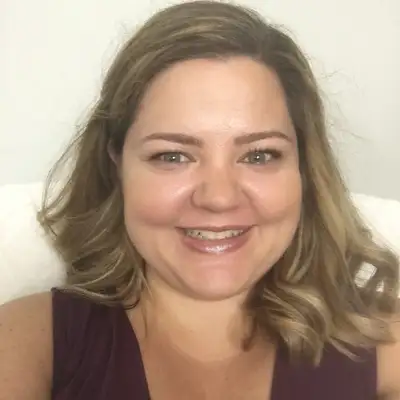
[12] Can a Consultancy Be Systemized? Let's Ask The Expert, Kelly Azevedo (She's Got Systems)
Okay. Let's do this. Hello, Bootstrappers. Welcome to Bootstrapped Web episode number 12. It's the show for business owners like you and me who believe that to get to where we're going, we have to learn by doing.
Brian Casel:I'm Brian Castle. You can follow me on Twitter at castjam or on my blog, castjam.com. Today, you're gonna hear my interview with Kelly Azevedo from she'sgotsystems.com. Kelly is a systems engineer, and she consults or coaches, entrepreneurs on how they can systemize and grow their business. But what I actually wanted to learn from Kelly was how she systemizes and scales up her business as a consultant who sells coaching packages, and she's now adding a line of information products, actually courses, on systemizing.
Brian Casel:So we'll hear all about that. I know firsthand how difficult it is to scale up a consultancy when the product that you sell is your actual FaceTime with clients. But Kelly seems to be doing a really great job with that, putting the necessary team in place to actually help her grow her consultancy. So I'm gonna be honest here. These interviews that I do here on Bootstrapped Web are actually for selfish reasons.
Brian Casel:I invite people on because I want to pick their brains about things that I'm personally curious about, I wanna apply these lessons in my own business. Of course, it's all here so that you can benefit too. So anyway, so as some of you know, I spent most of 2013 working solely on products. But now I'm actually starting to kinda make a return to consulting. Believe it or not, I actually kinda missed it, and that was certainly a surprise for me.
Brian Casel:But this time around, I'm doing things differently. I'm I'm focusing much more on helping startups, not only with design, but but with strategy and marketing that kind of stuff. So part of my goal here for Consulting two point zero, as I'm kind of starting to call it, is I'm aiming to grow my team and kind of just grow the business. So I was excited to have Kelly on to hear about how she's done that with She's Got Systems. It's kind of a long interview, but there are lots of insightful takeaways, so be sure to stay tuned through to the end.
Brian Casel:By the way, a quick update on the book that I'm working on called Design for Conversions. I'm about halfway done writing the chapters. It's coming out pretty good, I think. It'll definitely take quite a bit of editing. It's becoming kind of long.
Brian Casel:I expect to send out that free chapter to those who signed up for it sometime in October. And you can get on that list for design for conversions and also get an early bird discount by going to castjam.com/book. Okay. Onto the main event, my interview with Kelly Azevedo. Kelly, thanks for thanks for joining me today.
Kelly Azevedo:Thanks, Brian. I'm glad to be here.
Brian Casel:Great. So can you tell us a little bit about who you are, what you do?
Kelly Azevedo:Sure. So my name is Kelly Azevedo and I'm the founder of She's Got Systems and She's Got Systems Academy. And what I do is I work with entrepreneurs who have online businesses literally all over the world and nobody ever taught them how to build a business and how to do things online. And so we work on what's gonna work well for your business, creating a system, and then implementing and engaging that system with a team. So one of our goals is that you as an entrepreneur can unplug without shutting everything down.
Kelly Azevedo:You can take a vacation maybe for the first time in a few years. And if you are sick or if you're just overwhelmed or, you know, you wanna go on and spend a few days days at the beach, your business doesn't stop running, but it keeps going with these amazing systems we create.
Brian Casel:Very cool. And yeah. I mean, that that just really is super important, building these systems, these processes in your business. I know how tempting it is for freelancers and kind of, you know, first time entrepreneurs getting into products. The sooner you you build out these systems, the more effective you're going to be.
Brian Casel:And and I'm I'm still very much kind of learning that that transition for sure. I've I've been really getting into that over the past couple years and yeah. Just something I'm I'm really interested in, that's why I'm happy to to have you on here today. So but, you know, how how did you actually get into this business of of being a systems engineer? I mean, how how did that get started?
Kelly Azevedo:Well, I I think it started, like, from the womb because my dad's an engineer in in civil and mechanical engineering, and I just learned a lot growing up about the way we do things. I mean, we didn't label it as such, but we had a system for camping. And we had a system for, you know, going to school in the morning. And I was a kid at four years old who would, like, rearrange all the groceries in the shopping cart so nothing got squished. So it's really in my blood, and I I transitioned this way.
Kelly Azevedo:I've been working in corporate, doing accounting, project management, purchasing. And I was working for this company locally, and they said, you're the best employee we've ever had in this position. You don't make mistakes, so you're not having to go back and fix them. You're so effective. We're cutting your hours by 20%.
Kelly Azevedo:And I just boggled my mind because I said, okay. You're admitting that I'm great, and then you're cutting me back. And so I wanted to look for people who would say, wow. You said you'd do it in four hours. You got it done in one.
Kelly Azevedo:I'm gonna hire you for more. I'm gonna pay you more because I appreciate that. And I really just found entrepreneurs to be that group. And I started off on the support side and it was great, but what I found was all the clients would just say, well, Kelly can do that. Well, Kelly can do that.
Kelly Azevedo:Because I was the one who could manage lots of projects at once. I could see what else we needed to do. And the trick was I kept getting stuck in doing everything and not strategizing, not learning, and not making the money I wanted to. So a few years back, I I decided that everyone is out there. They know why they do what they do.
Kelly Azevedo:You know, you're in love with your business, you're in love with your purpose, but you don't know how to get your goals out there. You don't know how to accomplish everything you need to do. And I said, okay. So my goal is to be your how. You know, once you know why you're in business, I can show you how to get where you wanna go having worked in these million dollar online companies already.
Kelly Azevedo:So it it feels like I fell into it, but I've been doing it for, you know, so many years that it's very natural.
Brian Casel:Very cool. So, I mean, just to kinda understand that a little bit more. So you were working in in the corporate world. Was your role was your job actually building systems in those companies, or were you just kind of doing your job and becoming more efficient at it because of the systems that you were creating for yourself?
Kelly Azevedo:Yeah. I was basically creating the systems for myself. I think like most entrepreneurs, I get bored very easily.
Brian Casel:Mhmm.
Kelly Azevedo:And so, no matter what company I was in, I would end up doing more and more responsibilities. And in order to manage it all, I would just create systems for doing that. Whether it was calling clients who were past due or restocking, you know, a trailer for a job. No matter what I was doing, I would just create the system to make my own life easier.
Brian Casel:Just like coming up with these procedures that
Kelly Azevedo:Yeah. Or just like, I mean, at one point I was I was managing the finances for 35 homes in in Northern California. And so I realized that if I stopped every time I got an invoice or I got a credit card settlement to do and and I stopped and did that, it would take my whole day. So I would just batch it. I would take all of those and I'd sort them and then twice a week I'd, you know, blitz through them and get it done in half the time.
Kelly Azevedo:So I just I would go through the process myself. I would learn what's working and what's not and then document that. And it meant for a lot of my companies that I worked with, I held two or three roles. Or in one, when I was in college, I was like the the roving intern and I worked as an intern for five departments simultaneously. And so I had to manage my time, I had to manage all these different managers and a lot of deliverables.
Kelly Azevedo:And I thrived. I loved it, but I kept finding myself pigeonholed in the doer role of, like, well, Kelly can do that for us. And I was like, I may have a system to make filing easier, but that doesn't mean I wanna spend my whole day filing. I'd rather teach a new intern how to do the filing better and go do something else.
Brian Casel:Sure. So so you went out on your own, and then how did you kind of, you know, come to the realization or or or or find that you can actually make a living as a systems engineer independently, you know, working with entrepreneurs and and small like, how did you kind of Yeah. Find that path?
Kelly Azevedo:Well, like I said, I've been cut back at work to four days a week because I was too efficient and I could have probably done the work in about two days a week if if I needed to because I was getting stuff done quickly. So I used that day off and started started doing classes and learning about being an entrepreneur, started networking, and picked up my first client which grew to three clients by, I don't know, about three months later. And I had these three clients who were all needing more time from me. And it didn't feel right to be at my desk job doing my side job. So, you know, once I I knew I would have guaranteed hours and they were relying on me more and more and more, I felt comfortable enough and I know everyone talks about, oh, here's how much money you should have saved, here's the marketing system.
Kelly Azevedo:I didn't even have a website at this point. I just knew that I was good at what I did and I had a good network of people who wanted to hire me and needed more hours. And, you know, very, very scary moment, but turned in my resignation and they tried to get me back. They were like, no, no, no, we need you. And I said, you know, it's just
Brian Casel:not I'm sure everything just falls apart when when you leave and, you know, you had all these systems in place and, yeah, I could see how Well,
Kelly Azevedo:they they were they were just I mean, they were way underpaying for the market and they weren't willing to flexible. And I said, you know, once you told me you're so great at what you do, we're cutting your hours back, I lost a lot of faith. And I don't wanna I don't wanna work with a company like that. So I transitioned to doing entrepreneurship full time. It's definitely been a very scary journey.
Kelly Azevedo:But, you know, once I once I made that change, I knew that I just wouldn't go back.
Brian Casel:Yep. That that makes perfect sense. So so, you know, today, kind of fast forward, your business is is basically coaching or or would you say that you're a consultant or or you're a coach or is that the kind of the same thing?
Kelly Azevedo:It's so hard because I think there's a lot of terms and it means something different to each person. But, essentially, what I do is I I partner with my clients to come up with the strategies and the systems that they need to meet their goals. So a lot of that is, like, the consulting. Here's what I would do or here's what I've done in another situation. Other times, it's coaching them.
Kelly Azevedo:I have one client that every time I say, are you ready? She knows something big is coming because we're gonna take it to the next level. Mhmm. So someone is coaching like, we're gonna do this and push them beyond their current comfort zone. But a lot of it beyond just talking about it is implementation.
Kelly Azevedo:Because personally, on my side of things, when I was growing my business, I got very, very frustrated because everybody I encountered, these wonderful marketers, these wonderful people, were all willing to tell me what to do. They wanted to tell me how to do this, how to do that, you know, as far as, like, here's what you should be doing. So if I went to a marketing coach, they'd be able to tell me, you should have a newsletter, you should have a blog, you should do media, you should have an event. But none of them would help me do it. And so I got really frustrated and I could see other people getting frustrated.
Kelly Azevedo:And so having worked in these businesses knowing how how it was done successfully, I decided that beyond somebody telling you what you should do and beyond someone giving you advice on, you know, well, yeah, you could do this instead of that, What my clients needed most was somebody who would say, here's the plan. Okay. Now let's execute it together and be their partner through that. Help them write copy. Help them set up the pages.
Kelly Azevedo:Help them do the message if needed. But not just take it as, oh, yeah. You should go do a launch and then the next call, how'd that launch go? Like, we're day to day emailing, having conversations, creating the launch so that they at the end of the launch, they have a working system that they could duplicate for the next one.
Brian Casel:Gotcha. Yeah. I mean, that's that's very cool. I I mean, I I like how, you know, this whole concept of of coaching, it's really about bringing out kind of the best in in the entrepreneur that you're working with, you know. I'm sure each each person is different, but really working with them and not yeah.
Brian Casel:Like you said, you know, not just giving them the the game plan, but actually helping them achieve it in in whichever way works for them.
Kelly Azevedo:Yeah.
Brian Casel:Very cool. So, I mean, I I've never worked with a coach before. I I hear I hear all about coaching, you know, more and more recently. Just, you know, different types of of entrepreneur coaches out there and and things like that. So, I mean, from a client's perspective, what does it mean to work with a coach or or actually just to work with you?
Brian Casel:So what are they, what does that actually entail? Like, they, is it like weekly and monthly sessions or are they actually receiving other materials from you? What does that look like?
Kelly Azevedo:Well, for our programs, we try to do a mix because we know that there's a lot of different learning styles, but for the most part and I've done this where I've worked with a coach and I paid a good investment and got a lot of I call it, like, the proverbial to do list that never ends because it's like, well, did you go listen to this recording? Did you go do that worksheet? Did you do this exercise? A lot of homework. No.
Kelly Azevedo:I just wanna talk to you about it. So we try to most of our most of our time together is on the phone discussing what needs to happen, And I find that it's much faster than email. So we we kick off most of our programs with a half day so we can spend about four hours, like, really getting to know the business. Because otherwise, I'm I'm going in blind. So we really get to know the business, the team, the goals, the products, what they want to do in the next six months.
Kelly Azevedo:And then we create the plan of what are we gonna focus on, not just for the next month, but for the next three to six months.
Brian Casel:Gotcha. And are you working with just the the one person, like the business owner, or are you actually meeting their entire team?
Kelly Azevedo:We do both. We we usually just do the the half day with the the business owner, because that way they can be totally honest about who's on their team, their strengths, their weaknesses, and other positions they wanna hire for. And then we we do an intro and and I work with the entire team. Some of them don't have a team at the beginning. We quickly change that and get people on board to support them.
Kelly Azevedo:But I I like to work with the team because my role isn't to come into the business and work with the business for the next five years and replace someone. You know, my goal is to be there and to help support what they're already doing and then transition out in a way that they can keep going. So I I try to make it really clear that at least for for my coaching practice, we're not here to replace anyone. We're just here to support them. So we we get to know the team.
Kelly Azevedo:We have weekly calls. And then the focus of those calls is not just the plan, but what needs to happen between this week and next. Let's put deadlines. Let's know who's responsible. We track that in project management for them.
Kelly Azevedo:And then my clients have unlimited email access to me and my team so that if they need a draft or if they need to see how we do something so they can model it, they have access to that at any time. So if they wanna see my welcome packet so they can craft their own, we do that. If they need to, like, talk to my client concierge to understand how she schedules, then that's available to them as well. So our team is kind of an open book at that point where they can see our marketing or systems or or a team structure, you know, to inform and and give an example of what's working and and then we can build their own. Because I don't believe businesses should just go duplicate mine.
Kelly Azevedo:This business works for for me and for our team because it's unique to me. It's what I need. And I think businesses have to do what's right for them.
Brian Casel:Sure. Is there, like, a certain type of entrepreneur or type of business that you tend to work with? Like, you working with with a lot of other coaches or other information or other consultants? Or do you also work with, like, like, ecommerce businesses or, you know, things like that?
Kelly Azevedo:It is so all over the board. I mean, I work with we have a joke because one of the one of the projects I'm working on right now is a story, possibly a book called The Psychic and the Lawyer, and that's the range. So, I've worked with psychics, I've worked with web developers, I've worked with travel agents, I've worked with lawyers, I've worked with people who are in marketing. It's really all over all over the place and and all over the world in several different continents as well. Most of them are either they're they're selling knowledge in some form, so they have a product or they have a coaching or they do a service.
Kelly Azevedo:Mhmm. Some of them, like, you know, some of them, their service is, you know, Ruby on Rails development or financial consulting, things like that.
Brian Casel:Mhmm.
Kelly Azevedo:But they tend to be and we do have some product in there as well. Those we don't have as many clients who sell products as far as, like, physical tangible things.
Brian Casel:Mhmm.
Kelly Azevedo:But it's really just such a wide array because I think every business needs systems. And more importantly, the business owner needs a system so they can get back to focusing on what they love to do, not what they have to do to keep the business running.
Brian Casel:Absolutely. And and so now when when you start working with with a new client, is it are are most of your clients only really with you for a period of of about three months or so? Or do you have clients that are that just kind of stay with you for for a longer longer term?
Kelly Azevedo:Most work.
Brian Casel:Open ended or anything like that?
Kelly Azevedo:Yeah. Our packages are three to six months because I like to have a deadline for completing the goals that we've set. What often happens is that the client is happy, day go off, their team's running well, their business grows, maybe the system isn't working or they need more systems, and they come back when we do another three or six months. And that happens pretty frequently because, you know, I I don't wanna keep building systems, you know, with somebody and make it like the house that never gets finished. Like, I think you have to live with those systems.
Kelly Azevedo:You have to see how they're running for you day to day and then reassess what needs to change or go to the next level. But if you never stop building and you don't actually live in your business and work on those systems, then, you know, you're just building it and putting it on the shelf for later.
Brian Casel:Yeah. And and, you know, I really like on your on your site, she's got systems.com, how you how you really kind of separated your three different programs, or I guess these are kind of like your three coaching packages that you offer. And you really clearly define them in terms of who you intend to serve, or which type of client you intend to serve with with each of these. So do you find that that all of your clients actually do fit within these kind of three buckets?
Kelly Azevedo:My clients do. The the goal of the buckets, and if you're if you're doing any type of consulting or coaching, it's really important to have that like avatar Mhmm. And to publish it is that it fits all of my clients but it doesn't fit everybody. So it excludes a lot of people. It excludes anybody who wants to start a business but doesn't have any idea what.
Kelly Azevedo:It excludes people who have a business idea but haven't done anything on it or who they just want a business that they don't have to participate in. Because some people come to me and they say, oh, just systematize my whole business that I don't own yet. And so if I do get people who fall outside of those bounds, then I refer them to some of the many coaches and friends that I have who work with people in those areas. And I say, okay, really where we're starting is what I call the novice entrepreneur. You're just getting started.
Kelly Azevedo:You don't have a lot of startup capital, but you know you gotta do these things and you don't know where to start. And that's kind of our our entry level of you have a business, you probably have a few clients already, but you don't know what to do to get more clients, you don't know how to handle those clients, and like like I explained, a lot of people out there wanna want you to join their big program and put you through their, you know, their huge course and all of their material. And what I found is a lot the more people I talked to, the more I heard that it was overwhelming, it was frustrating, it was discouraging, it never got done, and they felt like it was a waste of money.
Brian Casel:Sure.
Kelly Azevedo:So we dialed it back and we said, well, what if we just solve one problem at a time? And the theory is that if you buy a car and you need to change the oil, you go to YouTube, you get a video, someone will show you how to change your oil in that car, you buy the supplies, and you change your oil. You don't have to take a course teaching you how to drive and how where oil comes from and the makeup of an engine. Right. You just solve the immediate problem.
Kelly Azevedo:So we do that with our Systems Academy and we just teach you how to do one distinct thing in your business, you know, using the best practices, using the templates I've created, and just focus on that one thing, get it running. The classes are very, very affordable. And then when you're done with that one, if you're ready for the next one, you can get started on the next one. But it's low low cost, easy to do, and the goal is to get you to that point where your business is growing quickly and you'd like the the support in one of our coaching programs for three or six months.
Brian Casel:Gotcha. And do you actually publish the the prices on your website? I'm not sure if I saw them or not.
Kelly Azevedo:Not for the coaching programs. It is on the she'sgotsystemsacademy.com site. Okay. But the reason the we don't for the coaching programs is it is an application process and it really varies depending on availability. And it it really changes so quickly where, like, you know, this week we're bringing on two more clients.
Kelly Azevedo:So, you know, for one of our packages, we're full and have a waiting list. So it would be just it would be really hard for us to keep that accurate and up to date. So instead, we just ask people to apply to first find out if they're right for the program, and then we go through options, packages, and pricing.
Brian Casel:Gotcha. So what does that process actually look like? So on your website, somebody can kinda fill in their their name and email. Where do they go from there? I mean, do you have what can you tell me about that application?
Brian Casel:And also your your pricing for for these packages, like, does it change?
Kelly Azevedo:Sure. Well, what what the process is when you request the call on our programs page is you're just identifying that you're in one of these three groups and you'd like to talk and find out if this is right for you. So we have a get acquainted session where we've automated that process so that my amazing client concierge is reaching out. You know, you can schedule with my calendar. You get some questions ahead of time so I start to get to know your business.
Kelly Azevedo:What are your struggles and what are you looking to accomplish? And then we hold the call and we go through kinda where you are and what you're looking for. And I explain how our packages work, how the programs run, and if these are are really the next step and the right step for you. We talk a lot about your team, the launches, and kind of the bigger bigger vision of where you wanna be. So a lot of people come to me, they're very, very frustrated about where their business is heading because they wanna do a launch, but they're overwhelmed or they need to bring in five more clients.
Kelly Azevedo:They don't have any time on their schedule. And so we just talk about those really at the high level of, you know, what do you need? Is this something I can support you with? And then if if it's a good fit on both sides and we give them a a proposal. And like I said, they're somewhat customized because we do have the packages change pretty frequently in terms of the pricing and if they are requesting something unique.
Kelly Azevedo:So sometimes we do a custom package, and we just we find out if this is the right next step for supporting their business. And most of the time, once people get to the call, you know, they either have they either don't make the call for some reason or they they decide it's not right for them or they go through with the call and they start looking because they're ready for a solution. Mhmm. So we hold very few calls that are, I'd say, not say unsuccessful because either way, I think that it's a good time to hold a call and find out what you need. But most of the people who come forward for the call, they know that something in their business needs to change and they're ready to they're ready to resolve it.
Brian Casel:Gotcha. And how and do you do any kind of, like, price qualification before the call? Before you get to the actual proposal?
Kelly Azevedo:Not before the call, but when we're having that get acquainted conversation, we talk very briefly about kinda where their income is and where they wanna be going. I don't I talk about this in the systems academy, but I don't like the model of if you make this much money, you have to do this higher program that costs more.
Brian Casel:Right.
Kelly Azevedo:So the the programs aren't based on how much I think someone can afford based on their revenue. It really is based on where you know, how much time we're gonna spend together and what you need. And I'll share, we had one client who she started about a month and a half ago and we we had a structure, but very early on in the half day, we said, okay. I think we need to do a launch. I think we need to do this.
Kelly Azevedo:Raise some money, get get some people reengaged. And so in the first few weeks we worked together, we put together a very simple launch. It didn't require adding anybody to the list, and it didn't require any new products or packages or pricing. It was offering something that was already in the store and just making it available to a limited group of people. And she in the first so by the end of our first month together, she had recouped her investment for a six month package three times over.
Brian Casel:Wow.
Kelly Azevedo:And and she went, oh, okay. So I was like, so we're done. Right? And she's like, no. We're doing this for five more months.
Kelly Azevedo:Let's get going. And and we have a goal to make multiple six figures on top of what she's already done in her business this year by December.
Brian Casel:Gotcha. I I like that you brought up this this idea of of setting goals upfront, and then and then working with the client to achieve those. You know, what what happens if a client doesn't really achieve the results? I don't wanna say that that you actually promise, but that you guys kind of discuss early on. I mean, that's kind of something that that I certainly deal with sometimes.
Brian Casel:I I know that other consultants do. You know, if I'm working with a with a new client on, you know, on a on a design marketing project, I I do struggle by with saying upfront, you know, we're gonna double your your revenue in three months or something like that. You know, I I feel like there are so many other variables out there, or maybe it's just kind of a confidence issue on my end, you know. But, I mean, how how do you deal with that?
Kelly Azevedo:Yeah. I think for
Brian Casel:Or even, like, for with unforeseen forces, you know? Yeah. Or if the client doesn't hold up their end of of it. So how does that work?
Kelly Azevedo:Well, as long as the client is showing up, I know that we're gonna get things accomplished. The speed will change. The focus will change, but we're gonna we're gonna keep moving forward. So this happened earlier this year. I had a client for a six month package, and we timed it just so at the end or end of our six months, she was due to have a baby.
Kelly Azevedo:She would be have her team set up and her systems ready so she could take maternity leave. And then throughout her pregnancy, she had speaking events, she had, conferences, she had, she was gonna come to California and take the bar exam. And I get a emergency text from her saying that she's in the hospital and has to have a procedure, and she's gonna be on bed rest for the next four months.
Brian Casel:Mhmm.
Kelly Azevedo:So that changed everything. I mean, I look back at our proposal and what we were gonna work on and everything changed because her life changed. Her her focus changed. And so instead of doing, you know, the speaking events and conferences and, you know, the things we'd planned, we had to go a different route. But the result was the same, and even though she she delivered her son healthy but early, she, again, was texting me from the delivery Room, and I texted her husband and told him to take her phone away.
Kelly Azevedo:And said and that was kind of the coaching element of it of relax. We've got your business. You focus on the baby. You relax a little. We've got this.
Kelly Azevedo:And and she checked it in a few days later and she said, I can't believe this. Clients are served, marketing's going out, we closed new business while I was sleeping, and all my clients are happy. Like, what happened? And I said, well, you systematized your business. It didn't look like what we thought it would look like but we still got to the end goal.
Kelly Azevedo:And and that's really why we do this application process to kind of vet our clients is that I knew from working with her and speaking with her that her personality was so driven that even if something really big changed, we would still get there because I I learned early on that if I work with clients who are very defeatist, who are just like, oh, that one little piece of code went wrong or Yeah. We couldn't use that image we wanted. I guess I'm just gonna give up, that I would get frustrated because I see how talented they are. I see their gifts and I'm like, you can't let something small get in your way. So we we do say in the contract that we in client agreement that we cannot guarantee results.
Kelly Azevedo:We can't guarantee people will buy. We can't guarantee that your team is gonna show up. I can't even guarantee that you will be operating this business. We do promise that we are going to do everything in our power to make it happen and we may have to get really creative to do that, but we will always do it, you know, in integrity and in the right way and and just rise up and meet those challenges.
Brian Casel:Yeah.
Kelly Azevedo:And I and I tell them, I said, I can't predict the future. If I did, I'd be in Vegas. I wouldn't be doing this business.
Brian Casel:Sure.
Kelly Azevedo:So, you know, when those things come up, we need to know about them, we need to handle them. And to me, that's just part of the fun. It's kinda like a game of Tetris where you think everything's great and then, you know, they throw you, like, the square when you need the the four in a row, and you just have to reshuffle things.
Brian Casel:Yeah. And I'm sure it's kind of a matter of I mean, any business owner should really understand that hiring someone like you, it it it's really about enabling them to to be better at their jobs and to to get their job done. They, you know, that somebody shouldn't come to you thinking that you're gonna do everything for them.
Kelly Azevedo:Yeah. They have to take personal responsibility because what I've said is if I'm the one running your business and I'm the one making decisions and I'm the one doing the strategy, the implementation, the writing, the focus, the energy. Like, if I'm doing it all, I better have a stake in your business and I'm no longer a VA, I'm no longer a consultant. And that's really where it came out of where I I I moved out of doing support work is I felt like I had invested more, at least in this time period, I'd invested more than the owner. And, like, if you wanna if you wanna say that I'm done with this business, then sell it to someone else.
Kelly Azevedo:But I have to know that you're invested and you wanna make this work, and then I'm gonna give my 100% as well.
Brian Casel:Yep. So let's let's kinda talk about that for for a minute now. So so scaling up. So going from being a solo consultant to hiring a team, and I hear in this conversation you you refer to your business as as we quite quite a bit. Yes.
Brian Casel:So tell me about that. So how how did that so what does your team look like today and what kind of roles?
Kelly Azevedo:Sure. So we have two virtual assistants who are international and kinda on an as needed basis. And they're my people that I turn to if I need research done, like find me a rental car. If I if I'm doing anything repetitive, so I need templates created, they document all of our media, they track the metrics, all those little tiny things that drive you crazy.
Brian Casel:Yep.
Kelly Azevedo:And and one of them for us is that I every every week when I go to write the blog post or the newsletter, I wanna go to the website that we have set up, I wanna open up a template, and I wanna start writing. I don't wanna have to go look on my website and say, oh, what category should this be in? I want the list of categories there so I can just choose the one I want. And so they create those templates for me every month for all of our blog posts, all of our newsletters. So my job of writing becomes easier.
Kelly Azevedo:So we have two virtual assistants who work in that way. And then I have probably the most awesome project manager and client concierge on the planet. And she's been a very good friend of mine for going on six years now and started working for me about a year ago now. And she handles all of the scheduling. She handles media and, you know, client request.
Kelly Azevedo:She also helps manage the Systems Academy and is she's really the one that we co create content with for the academy because she knows my systems very well. And so she's there to help remind me, oh, we should add this or don't forget that. So she's amazing. And then we have a web team. My business partner and very good friend Patrick helps run our Infusionsoft account for all our automated marketing.
Kelly Azevedo:And then Drew does our websites and updates and kind of some of the graphics and all around stuff there. And then we also have a graphics person.
Brian Casel:Okay. And so your business is it is it a partnership? And and or is it how does
Kelly Azevedo:that work? So Patrick is I I refer to him as my business partner because we have other business entities together. Okay. But he runs a business called Automation Heroes, and it's awesome. You should definitely check it out.
Kelly Azevedo:And so we kinda work in each other's business and our strengths so that, you know, if he needs help doing something instead of hiring someone who doesn't know him as well as I do, I help him out and he does the same. So he's kinda like our on call tech person for the software and marketing automation.
Brian Casel:Gotcha. So can you kinda take me back to your early days of coaching, consulting before you hired this team? Sure. What did that look like? And well, you kinda spoke about that already, but how did you transition to have to to building this team?
Brian Casel:Like, who who was your first hire and and then how did you take it from there?
Kelly Azevedo:What it looked like was mostly being very, very stressed, and I would be work I was fine as long as I was working with the clients. But then if I had a client or a new lead or someone I needed to do follow-up with, I would get very overwhelmed and frustrated because it always felt like I didn't have as many hours in the day as I would need. And really just put you know, I was putting everything into the business, so I didn't have a lot of time for myself. So I started with hiring these virtual assistants, and I've had few a few over the years. Some were great, some didn't work out long term.
Kelly Azevedo:But what I found was that I was always still having to manage them, having to make sure they were doing what they were supposed to be doing or following up. So where I think things took a big shift is that when I hired my client concierge and project manager, because she's so capable and good at what she does, she began to help manage the other team members. So it it really shifted things because, you know, instead of, well, I could have someone do this for me, but I have to remind them three times, I would just hand that over to her. So I do teach on hiring and how to assign things. What I find is though, you know, a lot of people say, well, I'll hire people.
Kelly Azevedo:I just don't wanna manage them. And the solution to that is then you just need to hire a manager because even if you have a system like I have that sends an automated reminder that says, hey, so and so, make sure you do this. People are inherently lazy at times or they get busy and they forget. And if you don't show up and say, well, that didn't get done. Why not?
Kelly Azevedo:What's going on? Then things will start to slip through the cracks. So I had to I had to hire someone to help manage the larger team.
Brian Casel:So how do you know when you're actually ready to hire a manager? Mhmm. I mean, because I I kinda struggle with that a little bit. You know? Do you have to for a certain period of time, do I mean, you have to do a lot of the management to know what needs to be managed.
Brian Casel:Right? And and then how do you actually transition that that responsibility to a to a new manager who's just coming to your company for the first time? Mhmm. How are they gonna know about all these ins and outs of of what needs to get done and and how things get done? How does that transition look like?
Kelly Azevedo:Yeah. I think it's someone that you have to really respect and like, and it's somebody who's willing to put in the time. So Trussa is my kinda all around manager, and she's not someone who came in on the first day and was, like, barking orders. She came in with a desire to learn and to understand how I wanted things done. Not not so much as, like, well, how should other businesses do it or here's what I think, but, you know, okay, Kelly, you tell me how do you want this done?
Kelly Azevedo:And then it was just it's a really a process of transition. So, you know, the first three or four times that she worked on the newsletter, I I was there with her. We did a screen share. I walked her through it. I pointed out things she may not know, you know, and then we transitioned to she could set it up, and then she sends me a test.
Kelly Azevedo:And in the beginning, she would send me a test, and I'd send her back edits and ask for another test. Now I can send her edits and say and, you know, go ahead and prepare it and queue it when the test when those changes are done. So it's the same thing when you have a manager of you know, they can't just come in and say, okay. I know what I gotta do, and I have this little manual, and I'm gonna just start managing. I think the the key element for most managers is they need to understand the task, they need to understand how you want it done and to most extent why we do it this way.
Kelly Azevedo:Mhmm. That way they can come to you with suggestions for changes. And then, you know, build up that, you know, time together so that then they can take over. And it is a process because I think a lot of us, you know, we forget that when you're in the corporate world that, yeah, you may walk in as a manager and have this kinda authority, but the business has been working with managers for years. Yep.
Kelly Azevedo:So it's not a new process for the business even if it's a new process for you. So to me, it's just you're you're just building that up and I I usually have them run the system or at least see how it works because, you you know, there's always that person that they joke about like in Dilbert cartoons that has no idea what their subordinates are actually doing, and that's not what I wanted. So for me, like, how do you know when you need that is when you're usually, for me, it's when the team members would start coming for me saying, I need more to to do or can you look this over? And I'm like, yay. I'm so glad you did that.
Kelly Azevedo:I'm glad you need more hours. I don't have time to sit down and give you something to do. And so that's when I realized that I have these people who are here and ready to serve, but they need more on the manager side than I can give. So I either need to sleep less, which isn't gonna happen. I need to take on fewer clients, which is counterproductive, or I need to get help managing so that my team members are getting the support they need, my business is getting the support it needs, and I am not sleep deprived.
Brian Casel:Gotcha. And so this is a know, I mean, we'll we'll get into the the academy, the products in a second, but this is really a consultancy business. How about the the the client facing stuff? The actual coaching sessions, is that all you or are you actually hiring other team members to do consultations?
Kelly Azevedo:It's kinda in the transition because we are hiring more on sales teams as far as, you know, what we do, kind of the introductory conversations. But most people when they're working with a consultant one on one for six months, they wanna talk to them before they, you know, pay.
Brian Casel:Right.
Kelly Azevedo:So I still do a lot of the the intake especially for those higher levels where people are saying, you know, hey. In some cases, I'm going to fly you to my office or, you know, we're gonna we're gonna do a full day and then we're gonna do a six month package and maybe another half day. You know, I need to know who I'm working with. And and it goes the same for me as I wanna know who I'm working with. The way it works as far as, like, the FaceTime with clients or things that you think can only be done by the coach or the consultant, what we're doing is we're managing the time between calls.
Kelly Azevedo:So I'm on the calls. We're talking about the strategy. We're talking about the system. And then between the calls, we focus on what needs to be delivered and who can deliver that besides me. What needs to be created?
Kelly Azevedo:Do we have a template that we can we can begin? And that way, the next time we're asked for it, we already have something ready. What needs to actually be implemented? So sometimes we have clients who need to import 200 emails into their account. I am certainly not going to go create 200 emails, but my team can do that.
Kelly Azevedo:Mhmm. What needs to be followed up on? So that's what we're building to bring on more project managers and teaching what I do is I am teaching my team how we manage these things so that I can do more time with the clients on the strategy and the plan and then have my team come in. I lovingly call my team minions, and I had not actually seen Despicable Me when I came up with this. So we call them the minion army where you say something outrageous like, I wanna shrink ray, and then they scurry off and pretty soon you have a shrink ray, and you're like, this is amazing.
Kelly Azevedo:And so but the thing is, I just don't want them to go do something, like and that's the hardest part, I think, for any consultant is and this is where people, like, I find pull back and say, well, I just coach. Like, I'm not gonna do it with you. I'm just gonna coach because I don't have time. And so instead of just saying that, like, well, I don't have time to do everybody's marketing or I don't have time to teach everyone how to set up their ecommerce site. What we're doing is we're teaching our minions how to do that.
Kelly Azevedo:And then there the the consultation package becomes consultation plus implementation with a team.
Brian Casel:And so what what is your routine now? Or maybe not routine,
Kelly Azevedo:but what
Brian Casel:what what do things look like for you now that you have this this this team in place, you're, you know, you're minions, you know you know, kinda cranking out all this work in between the calls. How has your routine changed and and the way that you approach your business? Well,
Kelly Azevedo:I love it because I get to focus on the content and the the actual system. So, okay, in this situation, for this launch, for this preview call, how do we run this? How can we how can we make this standard, not just for the client we're working with, but for any client who comes to us and says, we're doing blah blah blah. So we're finding a lot of this, you know, the the systems I've been creating for clients for years, we we kinda white label them, we make them very easy to digest, and that's what we're selling through the Systems Academy so that you can get started with one of these systems that we know works really well. And then a lot of my time, get to spend either, you know, the very creative side of things where we're talking about the messaging, why people are gonna buy.
Kelly Azevedo:I do a lot of training and hiring for people. So one of one of my clients just had two positions posted and a 130 applicants in a week. So going through those applications and determining who we're gonna interview or what is our interview process going to be. So all of those things for me are very fun and creative.
Brian Casel:Mhmm.
Kelly Azevedo:And I I am a writer at heart. I've been a writer since I was a little kid. So getting to do a lot of content, videos, and media to inspire people to get started, just creating, you know, the simplest system they can imagine to get some help in their business. Because I think, like me, once you get that ball rolling, you'll be really addicted to having that support. And just on a personal level when, you know, for me, my I don't I don't find my, you know, ego or self esteem or anything comes from being the one that does everything.
Kelly Azevedo:I think that that is really destructive because that's when you have an assistant who won't tell you how they do anything because they don't wanna get fired. I I really enjoy the process of opening up how are we gonna do this as a team and and coaching and helping other people step into that.
Brian Casel:Gotcha. Very cool. And and I think that is so important to to really structure your your systems and your team so that you can just focus on the creative work. Because I I mean, I know for me, like, that's what really gets me going every day is is is doing the creative work, the strategy work. But then when I get sucked into email for hours on end, it's Yeah.
Brian Casel:You know, it just doesn't make what I do very fun, and that's not what I'm here for. So
Kelly Azevedo:Well, I'll share with you, Brian, the question that I ask in every half day session that we start with with a new client, especially if they have a team. So this is for any of your your listeners who has a team right now. I ask them, aside from you, who is the one person on your team that if they left tomorrow, you'd be screwed? That they either they do so much for you or they know where all the bodies are buried, whatever it is. Who would that person be?
Kelly Azevedo:And that's usually where we have to start systematizing and figuring out what they do and how they do it because, I mean, I've spent three months in a business trying to figure out systems that the old business manager created and never documented. And it's such a hassle.
Brian Casel:Yeah.
Kelly Azevedo:And I said, you know, for better or worse, this person could become very ill or win the lottery. You don't know. But if they left tomorrow, because most contracts are not till death do you part, your business is the one that's gonna suffer. And so I'm here to help protect the business and serve the business. And aside from you leaving, there's gotta be there's one person on your team that you're thinking of who you're like, oh my gosh.
Kelly Azevedo:They just know everything. I'd be lost without them. And you never wanna be in that position.
Brian Casel:Yeah. Totally. So we're we're we're going a little bit long on time here, but I do wanna get to we'll get into the products, your your academy now, and then and then we'll kind of finish up with some marketing and and how you're approaching finding clients and getting that steady stream of of clients in the door. Sure. So tell us about the academy.
Brian Casel:What what is this? How did it start? And and where is it going?
Kelly Azevedo:The goal of the academy is that you want to get something figured out. It's gotta be affordable. It can't take seventy five weeks to implement. And it's gotta be something that you need and it's very distinct. So a few examples of the early courses we are releasing, how to create your newsletter, how to blog consistently, how to create a welcome packet so when clients start working with you, they know what's going on.
Kelly Azevedo:We even have one on how to manage multiple email inboxes so that you don't spend hours and hours and hours a week shuffling around emails. So the secondary focus of it for me was that it had to be affordable. And I I talk about this on the about page that I have these courses. I have this content available for private clients. I don't have to sell them this way.
Kelly Azevedo:And people kept telling me not to do this model, And the only reason I shouldn't do this model is because I wouldn't make enough money. So that, I kind of ignored. Most of the courses are under $200 because I hate it when people say affordable, and they mean affordable once you sell your kidney on the black market. So they're very, very affordable to do. They're all delivered virtually, so you get started right away.
Kelly Azevedo:And like I said, they teach you one distinct thing. My best practices, things that I say, okay, you need to figure this out. What are you gonna do? Make a decision. Okay if you come back and change the decision.
Kelly Azevedo:Just make a decision and here's how to implement it in your business. So really, those people kinda like I said, the novice level, the beginners are not overwhelmed by 75 different forms of marketing they should be doing or, you know, 3,900 ways to reach out to a lead. They really just have the best practices and conform the systems that they need, you know, without a there's no there's no subscription, there's no shipping costs, there's no surprise fees. And like I said, many of the courses are even under a $100, and we're adding new ones each month.
Brian Casel:Very cool. So, I mean, I really like how they're specifically tied to, like, an exact deliverable. You know, this course, you're gonna build a blog, you know. You're you're gonna conquer email chaos. You know, I I really like that.
Brian Casel:So, I mean, is the thinking behind launching this academy, is that kind of to build scalability in your business? Because now you're going product based and it's not so much tied to your time. Or is it and or is it kind of to have something that that serves the market that just wouldn't really fit into your consulting business? You know, like you said like, the people kind of first starting out, is it really geared towards that type of market?
Kelly Azevedo:It's a little of both. It's it's kinda meeting people where they are and priming them for for the consulting if that's where they end up. But I know that the courses will help them right now in their business in a measurable way. And that's what I wanted most because I get a lot of, like, can I pick your brain? Can we go out for coffee?
Kelly Azevedo:Can you just help me with this one thing? And I didn't wanna create, like, a one hour consulting package. And I didn't wanna say, well, no, I can't help you figure out your newsletter because you have to buy a six month package with me. It's really just kind of targeted support. And and then, you know, within the academy too, once you're a member, can email our team at any time with questions and and they'll help you kind of figure it out as we go.
Kelly Azevedo:So it is for scalability and in in part because there's something like 23,000,000 entrepreneurs who are solos in The US. And I know those are people who who need the system, they need some support, but they may not be ready for the model of coaching that I have. So this is my way to serve them on a massive scale and and help all of those businesses become more successful.
Brian Casel:Gotcha. So let's kind of shift gears a little bit and just get into the marketing of your of the entire business. So your consulting as well as the academy. I mean, one of the reasons I actually invited you on today was because I I've been seeing you everywhere. I I actually first saw you, I think, on Mixergy.
Brian Casel:Okay. But then I see that, you know, you've been in the in the New York Times, Mashable. So I mean, your PR is just kind of all over the place. So can you tell us can like, you know, how do you do your PR? How do you get all these, you know, awesome placements?
Kelly Azevedo:I work with a great team. So I'm in the networking group, the Young Entrepreneur Council, and it's this invite only group. I actually I got the invitation from Andrew Warner of Mixergy, and he invited me in to be a part of this group of amazing young people who all have businesses and are all over the world. And one of the benefits of membership is that they have a whole editorial team and they have relationships with all of these outlets. And so some of them were just, you know, hey, can you answer this question like 400 words?
Kelly Azevedo:Some of them are larger topics that I that I suggest. We just we did wanna it was almost a year ago now on for women, authenticity, clothes, what you wear, and why it matters. And it initially went out to Forbes and was recently syndicated at like Women two point o and Upstart Business Journal. So sometimes it's short, sometimes it's a longer piece. The New York Times piece was really fun because I was cheating on a month long no social media challenge.
Kelly Azevedo:And so, I was on Facebook pretending I wasn't supposed to be there and I saw this request from someone in my network and they said they said, I have a reporter who wants to talk about life work balance. And I said, oh, yeah. I've got a story because when I worked for these other clients before I started my business, like I said, I was the one who did everything. And in part because I didn't have children. I didn't have, you know, like, the traditional family that other people had.
Kelly Azevedo:And so it would be like, well, I gotta take my kid to ballet. Oh, well, so and so has graduation rehearsal, so Kelly will do it all. And so, I got to talk to this reporter about life work balance and how things have changed since I started my own company. And
Brian Casel:And you landed that just from I wasting time on Facebook.
Kelly Azevedo:Wasting time on Facebook, which has been really bad for It's bad for productivity now, because I'm like, well, the last time I goofed around on Facebook, I ended up in the New York Times. Right. So but I didn't know it was for them when I did the article. I found out when they sent a reporter to my house or a photographer to my house for the images.
Brian Casel:Oh,
Kelly Azevedo:wow. But it came out Labor Day last year and, you know, it was just it's very surreal experience. But my my goal for PR and media is that it's kind of have something that I actually have a intellectual opinion on. You know, I don't talk about things that I don't know because that's an easiest way to become laughable. But I also just don't turn down opportunities.
Kelly Azevedo:So there was one organization I'd contributed a few short pieces to. I found out the founder lived here up by Sacramento, and we met and had coffee and talked for about three hours. Later today, actually, I'm meeting the editor of another it's a national magazine, but from Sacramento office. We're gonna have coffee and talk about partnerships. So my goal for it is to always be reaching out to my network, seeing if those opportunities exist, and then saying yes to them when they're a good fit and delivering great content.
Brian Casel:Great. And so what what is the impact of these types of things? So coming out of, like, a New York Times article or being on Mixergy, I mean, I would I would kinda think that it's it's pretty varied, you know, like I mean, I I've heard Yeah. I've heard stories, and I've seen this myself, you know, in in my businesses kind of being featured in random places. A lot of times, it it results in in a big influx of traffic, but not many actual conversions into into customers.
Brian Casel:How does that work out across these various places?
Kelly Azevedo:Really, I mean, some of them directly result in clients that I can track. My Infusionsoft account, which I use for marketing, can actually see where the lead source is. So it'll tell me what media outlet or what link they came from.
Brian Casel:Mhmm.
Kelly Azevedo:So it varies. I mean, sometimes guest posts are very popular and result in new leads. Mixergy has brought me several clients. One of the easiest clients I've ever had to close just called me from South America and said, how do I work with you? How much money do you want?
Kelly Azevedo:So that was great. He'd seen me on Mixergy. For yeah. For New York Times, there was a lot of traffic and there was a lot of kinda like the notoriety of it, but I try to also just put myself in places that my ideal clients read. So even though they're entrepreneurs, not a huge segment of my ideal client reads the New York Times business section.
Kelly Azevedo:And that's and or they read it, but they're not looking for answers there. So this is it's really useful, especially if you're thinking to yourself, like, I can't get the New York Times. What the heck? The biggest piece of, like, media that I get is through my blog because people are looking for an answer, and that's when they're that's when they're really a warm lead is they're looking for a solution, and you just might be it. And they're going looking for an answer.
Kelly Azevedo:Most of the time, they'll stumble on one of my blog posts, which is great because I'm the one who gets to edit them, and I'm the one who gets to put them up there, and I don't have to put it past any editor.
Brian Casel:Yeah. You know, that's something that I've actually been seeing quite a bit lately. I I've I've always been really big about doing guest articles, you know, writing for Mashable and Freelance Switch and and all these other places. And and that's been good, but more recently, I I've been focusing more on my own blog. And, I mean, it re really results in in much more trust and and and loyalty in in the audience.
Brian Casel:And I've I've definitely seen that firsthand. Okay. You know, I I think a lot of people kind of seek that that big time exposure, but there really is value if you if you commit to investing in your in your own domain, in your own blog.
Kelly Azevedo:Sure. Yeah.
Brian Casel:Cool. So you you had mentioned in Infusionsoft. So let's talk about email marketing a little bit. I see right on your homepage, I actually just signed up for it, the Oh. The the free kind of video course Mhmm.
Brian Casel:Called out right from the home page. So how does that work? How does your whole email marketing strategy kind of play out?
Kelly Azevedo:Sure. So I think it was my my dad who probably taught me this, but kinda when you go fishing, if you are in one spot and you try one type of bait and you put it in the water for five minutes, you're probably not gonna catch any fish, which is fine with me because fish were gross. But what I like for marketing is that you gotta be in multiple places, places, which is why you kinda need, like, your minions to grab be in those other places for you or help you get there. And then you need lots of different strategies. So we do have this free video system on how to hire.
Kelly Azevedo:Called five days to finding fabulous help for your online business. And I just go through this teaching on how I hired my first two assistants in five days using oDesk. And I recorded this series eighteen months ago, and one of those assistants is still with me. So I know it works. And, again, it's just a taste of kinda how we run our systems, how I teach.
Kelly Azevedo:You know, some people, they sign up and they watch the first day video, and then they unsubscribe. And I'm like, great. Clearly, we would have never gotten along because you don't find me hilarious. So if if it's not right for you, unsubscribe. But we put a lot of offers out there.
Kelly Azevedo:So we've had, you know, a course on how to launch, probably my favorite title ever was get off your assets and launch. We have a free how to manage your email in the Systems Academy that's Conquer Email Chaos. And we just put it out there and we say, okay, like, which of these things would help you where you are right now? And so the goal for that is they all come into my account. I can tell what they opted in for, and then that's what we deliver to them.
Kelly Azevedo:All the way through, it's automated. I never have to touch it. We do go in and update the emails from time to time. But for the most part, if it's working well, we don't mess with it. And then after they get through one free offer or they have completed one part of it, then we just open up that dialogue and we say, so, you know, Brian, what else do you need?
Kelly Azevedo:You know, what kind of support can we give you? If you just wanna hang out and read my newsletter, that's cool. We're gonna give you support in the newsletter every week with a new article. You know, if you wanna go try one of our workshops, you can do that as well. But we just keep that conversation going because I think a lot of times, there's there's that statistic that you have to touch a lead seven times before they buy.
Kelly Azevedo:And I have no statistic proof to back this up, but I think it's getting closer to 60 or 70 times with the Internet because we get bombarded by so many messages. And so I think we really have to be consistent in our marketing. And so for me, means we're going on two years of sending the newsletter every single Wednesday, blogging two to three times a week. Right now, we're at twice a week, a video blog and a written blog. Even on our Facebook page, we put up a daily system tip, and it's our you can do this in five minutes or less.
Kelly Azevedo:You should do it now. And we just were very, very consistent at reaching out to people because what I know is that we're gonna help people get ready to working with me at a higher level or they'll leave. And in the meantime, you know, you gotta stay on their radar because when somebody's ready, you wanna be the person at the front of their mind so they don't have to go find someone else.
Brian Casel:Yeah. Totally. So something that I ask every guest on on this show, you know, kind of from from, like, an outsider looking in, they look at your business, they they hear you on on this podcast, they see you featured in the New York Times. Obviously, things are going really well for you. You're you're, you know, you you're really great at what you do, very successful.
Brian Casel:But there's gotta be something that's challenging you right now in 2013, getting into the 2013 here. So what what's kind of challenging you right now? What are you trying to work through, and and what are you doing to to get through it?
Kelly Azevedo:I think our biggest challenge is finding the really amazing team members so we can build out our project managers to work under me and and a handful of new assistants. And the reason that it's such a challenge is that we have very high standards. And and Truss is great at this because, you know, she's been a friend for a while, so she she's got the bluntness thing down. And she said, you know, you're very, very demanding, but in a clear and respectful way. And so I like that because she's like, I know exactly what you need, I know when you need it, and how to make you happy.
Kelly Azevedo:And, you know, I'd rather have clear expectations than none at all. So that's kinda where we are because we're looking for more people who have that attitude like Tressa does that, yeah, there may be, like, demands in this position, but it's, you know, very rewarding and worthwhile. And at least you know exactly how to, you know, how to keep your job and how to be successful in it. So we're looking for those people right now because, you know, there's a lot of people who are amazing at what they do and I think they're just stuck in the wrong place. So like me, if someone had been looking for, you know, a systems coach or a virtual assistant when I was at my desk job, it would have never crossed my lap.
Kelly Azevedo:So one of the things we're doing to work through it is really through the network of, you know, some advertising, mostly networking and finding people who everyone thinks is brilliant and way underutilized where they are or they're bored in their job and they wanna they wanna challenge, they wanna do something new and they're very reliable and trustworthy. So that's our biggest challenge because I think that, you know, we we're very poised to grow, you know, almost exponentially in the next few years just as more businesses become aware of this problem. And I think it's at that point when the founder wants to go on vacation. Or people have told me, you know, hey, yeah, I'm getting married. And their fiance is standing right next to them saying, can you make sure he doesn't bring his laptop with him?
Brian Casel:Yeah.
Kelly Azevedo:To the honeymoon.
Brian Casel:Yep.
Kelly Azevedo:Or even other clients like the one I had this year who, you know, they're pregnant and the business is always run on their back and now they they're on bed rest or they need to take care of their child or they just wanna scale back. How do I do that? And to me, the answer of how you do that is you create amazing systems, and you get a great team, and you make you have the strategy so it runs well without you.
Brian Casel:Very cool. So and as we kinda finish up here, what's coming up next for for you and your business? Any kind of big plans or events that are that are happening this year or next year?
Kelly Azevedo:Well, definitely, this year, we're releasing new courses in the Systems Academy every month. We we're not rushing them because, like I said, we're putting a lot of content into each one. And then, really, throughout the fall, that's kinda my travel time. I don't travel a lot during the summer because it's so beautiful here in California. But we're I'm gonna be traveling to several conferences on the East Coast and getting getting my own little vacation, actually.
Kelly Azevedo:There you go. Yeah. That's coming up. I I said, you know, I guess I have to practice what I preach and go sit on the beach for a while. So there there are worse things about my job.
Brian Casel:Yep. Can't argue with that. So so your your website is she'sgotsystems, and then you also have she'sgotsystemsacademy.com.
Kelly Azevedo:That's
Brian Casel:right. And where can folks kinda reach out to you aside from those those websites?
Kelly Azevedo:Probably the most popular is Facebook. We're at facebook.com/she'sgotsystems. Really, the websites, though, those will have all of our contact information. We have a really good system for customer service and email, so you can reach out that way. Or just let us know, you know, kinda what you're looking for because I I love to partner with amazing people and connect, and I just find that that's that's a fun perk on on the side of my job that I can do for free all day long.
Kelly Azevedo:So
Brian Casel:Awesome. Well, Kelly, thank you so much for for taking the time. I certainly learned a lot. I know I know a lot of this will be, you know, very valuable to to our audience here.
Kelly Azevedo:Great. Well, thanks for having me. I appreciate it. Great.
Brian Casel:Okay. So let's go through a couple of takeaways here from my conversation with Kelly. The first one, Kelly talked about how everything that happens in between her coaching sessions with her clients is now systemized and handled by her team. So she's put the necessary team members in place to handle all the things that she'd rather not handle, so that she can focus her time solely on the creative aspects of what she does, like forming strategies for her clients. And that just makes her more effective at what she does, and of course, makes her job much more enjoyable.
Brian Casel:The second takeaway, the power of networking and joining networking organizations. When I asked Kelly about how she landed that spot in the New York Times and all these other publications, she credited a networking group that she's a part of. It's really important to seek out groups like these and get out there and network. Don't stay locked up in your office every day with your head down, buried in code. Do some networking.
Brian Casel:You never know, you could end up with a write up in the New York Times. And the third takeaway, something I noticed did you guys see how or or hear how Kelly was just totally on her game in this interview? And what I mean is she spoke clearly about her business, driving home the value that she brings to her clients. So obviously, she's done quite a few interviews like these, but it really shows how much care and preparation she has put into how she communicates what she does. From her elevator pitch at the beginning to the way that she frames her answers in a clear, meaningful way.
Brian Casel:So awesome job, Kelly. And the takeaway for the rest of us here is to really take time to prepare and hone how we talk about our business. It's really important and goes a long way. So I hope you enjoyed this episode. And if you're looking for more, head over to castjam.com, enter your email, and you'll get on my newsletter.
Brian Casel:And you'll you'll you'll get something new from me once a week, stuff about design, bootstrapping, startups, and all that stuff. So thanks for tuning in. I appreciate it. See you next time.

![[12] Can a Consultancy Be Systemized? Let's Ask The Expert, Kelly Azevedo (She's Got Systems)](https://img.transistorcdn.com/LDB_Cv9bHAA2vtoSPkZCpkdHPF6fAqfl7PL-PG7_c-M/rs:fill:0:0:1/w:800/h:800/q:60/mb:500000/aHR0cHM6Ly9pbWct/dXBsb2FkLXByb2R1/Y3Rpb24udHJhbnNp/c3Rvci5mbS9jMjkw/MDYxZDQ0MWIxYTUw/NTMzMGI2NTExZWMx/MWQ1Yi5qcGc.webp)