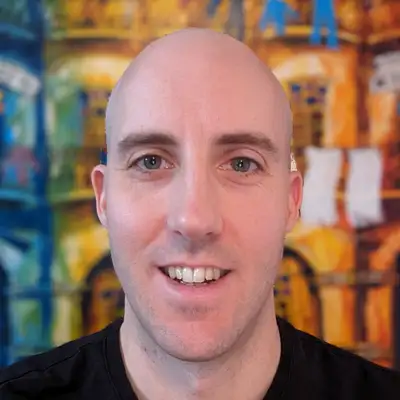
[14] Consulting vs. Products (or both?) with Brad Touesnard
Okay. Let's do this. Hello, bootstrappers. Welcome to Bootstrap Web episode 14. It's the show for business owners like you and me who believe that to get to where we're going, we have to learn by doing.
Brian Casel:I'm Brian Castle. You can follow me on Twitter at Castjam or on my blog, castjam.com. Today, you're gonna hear my conversation with Brad Tunar, web developer and founder of Delicious Brains, the the company behind the popular WordPress product Migrate DB Pro. We had an interesting conversation around comparing working on products versus working on consulting. So no matter which side of that fence you're on, or if you're like most bootstrappers, myself included, you're you're probably splitting your time between both products and and consulting work.
Brian Casel:Either way, you know, you you won't wanna wanna miss this talk. A lot of good points kinda comparing and contrasting those two worlds. It's been a few weeks since my last podcast. Sorry about that. I've been extremely busy with the launch of my new book, Designed for Conversions.
Brian Casel:It's out, so if you haven't checked it out yet, you can do so. The launch has gone really well, and it actually exceeded my expectations. And I'll have a lot more to share about that sometime soon. So you can check out the updated landing page for the book, Designed for Conversions, by going to castjam.com/book. Finally, last bit of news.
Brian Casel:As you'll hear Brad and I talk about, we're we're working together to put put together this mini conference slash ski getaway at Sugarbush Mountain, this coming January. It's called, Big Snow Tiny Conf. Now, unfortunately, as of this recording, I'm a little bit behind here, but unfortunately, all the spots are basically full at this point. But there's a chance that we that we might be able to squeeze, you know, one or two more people in. So if you're listening to this in early December twenty thirteen and you're interested in joining in, you'll have to get in touch with me like now, like like this week.
Brian Casel:Again, you know, sometime be before 12/10/2013. We're we're doing the trip January 2014. So get in touch if you're interested, and and we'll see if we can if we can fit you in this year. If not this year, we'll probably do it again next year. Okay.
Brian Casel:On to the main event. Alright. So I am here with Brad Tunar, web developer, product entrepreneur. So, Brad, welcome to the show.
Brad Touesnard:Hey. Thanks for having me.
Brian Casel:Great. So you and I have have kinda known each other for for a couple years now. We've been collaborating on various things and and and just kinda been in touch for a while. And you've been
Brad Touesnard:doing We even met in the real world.
Brian Casel:Yes. We did. We we met at at a conference, then we actually went and saw that the the daily show with Jon Stewart. That was pretty awesome.
Brad Touesnard:Was sweet. Yeah.
Brian Casel:Cool, man. So welcome to the show. If you're you know, for people who don't who don't know you, why don't you kinda introduce, you know, what you do, what what you're involved in?
Brad Touesnard:Sure. Yeah. I I run a company called Delicious Brains Inc, and we sell software online. It's kind of the the thing that I tell people generally. The pitch.
Brad Touesnard:Yeah. Well, I mean, nontechnical people, you know, once they start saying, well, it's a WordPress plugin that helps you migrate your database. Right. You know? And then they just their eyes gloss over something.
Brian Casel:It's like, you know, I'm getting ready to go to Thanksgiving with the family in a in a couple weeks, and it's like, they never totally get what what I do for a living. You know?
Brad Touesnard:Yeah. Yeah.
Brian Casel:It's like, I work with computers. Alright. Is that enough?
Brad Touesnard:Yeah. Exactly. Yeah. That's I mean, that's why I've kinda reverted to I sell software online. It's generic enough that people understand it.
Brad Touesnard:And if they wanna know more, they'll ask, But most people are just, like, satisfied with that Yeah. With that answer. But, yeah, I mean, that's what that's what I currently do. That's most of my time. I I cohost a podcast as well for WordPress developers called Apply Filters.
Brian Casel:Yeah. So you guys should definitely check that out. It's Brad and and our other buddy, Pippin Williamson. Two guys who really know their stuff when it comes to development and code. So if you're a coder, I mean, you you definitely gotta tune into that.
Brad Touesnard:Yeah. Yeah. We just Pip and I just geek out. We don't talk about business at all. We're we both run WordPress businesses, and it's difficult to not talk about that stuff.
Brad Touesnard:Yeah. Sure. We but we, you you know, we talk about it offline and make the podcast exclusively about WordPress development.
Brian Casel:Nice.
Brad Touesnard:So yeah. We try to keep it focused.
Brian Casel:And so the main product that you're that you've been working on and and selling over the last few months is that's WP Migrate Pro. Right?
Brad Touesnard:Yep. My it's a it's a bit of a mouthful. Yeah. It's a it's actually called WP Migrate DB Pro.
Brian Casel:Ah, DB. Okay.
Brad Touesnard:But I I just say migrate d b pro just because it's just too much, the rest.
Brian Casel:Nice. And that basically makes it easy to migrate a WordPress site from, like, one server to to another server. Right?
Brad Touesnard:Yeah. But it's it's very specific to the database, so it doesn't it doesn't, like, copy all your files or anything. It's it's just the database. Gotcha. So it's it's meant for developers that are developing, you know, they develop on their local machine, and they wanna push the database up to a, you know, a production or staging server.
Brad Touesnard:So it just you know, it makes it as simple as clicking a button, and it'll actually just push all the data from one install to another. You don't have to mess around with files or anything. Very
Brian Casel:cool. I I call
Brad Touesnard:it kinda like Git for databases. Nice. Kinda kinda the idea. Kinda like a Git push. Yeah.
Brian Casel:Very cool. Yeah. I mean, you know, it looks really cool. Everyone who who I know has used it has just been like, wow. This thing this just makes my life so much easier.
Brad Touesnard:Yeah. It's it's been the response has been actually pretty amazing. I I thought it would be like, you know, I launch and my sales are pretty good, and then it'll be like a steep drop off, and I have to constantly be marketing and breathing air into it. But word-of-mouth has been my biggest kind of marketing channel Yeah. For
Brian Casel:Well, I'll have to kinda get you back on the show at some point and and really dig into all that stuff. But really, the main topic for today's show is kinda balancing or kinda talking about the pros and cons of running a product, launching a product versus doing consulting. And I think we've both been involved in in both of those areas in one way or another. But before we we dive into that, we've got a whole list of of points to talk about within within that. Before we get there, let's talk about something that I am, for one, I'm really, really excited about.
Brian Casel:You approached me with this idea a couple weeks ago. It's a conference that we're calling Big Snow Tiny Comp. It's like a half ski snowboard getaway, half mini business conference meetup for web business owners, entrepreneurs. If you're running your own business online, join us in Vermont, Sugarbush, Vermont. We're going there in January 2014.
Brian Casel:Seats are still open. So definitely check that out. Website, and I'll link this up on the show notes. It's actually a Google Doc. But to get there, can go to bit.ly,bit.ly/bigsnowtinyconf, and you'll get all all the details.
Brian Casel:So, Brett. Yeah. Brett, I mean, you kind of approached me with this idea a couple weeks ago. So so tell me about that. Like, how how'd you come up with it?
Brad Touesnard:Yeah. I can't wait for this. It's gonna be awesome. So, like, I think it was, like, a year ago now. Dan Martell from he runs clarity.fm.
Brad Touesnard:You might
Brian Casel:Oh, yeah.
Brad Touesnard:Know him. He he just tweeted something about some, like, retreat that he went on with some friends in in British Columbia, and it was like powder snowboarding and skiing. And and I was just like, oh, man. This looks so awesome. And I I reshared the link, and Jason Schuller, like, started talking to me about how awesome it would be to do that.
Brad Touesnard:And I think you chimed in as well, Brian. And and so I don't know. It didn't really do nothing became of it then. And then, you know, about a month ago, I saw Beach Press. It's like a little conference for WordPress developers to get together at a beach house on the West Coast.
Brad Touesnard:And I was like, oh man, I can't make it to that, but it sounds awesome. And then I then I remembered the snowboarding thing that we were talking about. So kind of combining those two, I thought might be make a pretty cool conference.
Brian Casel:Yeah. Totally. So, you know, we kinda lined up a a house that that we'll be renting, you know, at the foot of the mountain at at Sugarbush, Vermont. And and I guess the idea is it's like three nights. We'll get two days of skiing or snowboarding in.
Brian Casel:Basically, the mornings, like half day of skiing and snowboarding. And then the afternoons will kind of be conference, networking, sharing ideas, working on stuff, and and all that fun stuff. Of course, you know, we'll be hanging out like through the night, you know, doing dinner and and things like that.
Brad Touesnard:Yeah. I mean, that's where I mean, I don't know about you, but I find at conferences, most of the value for me comes out of the conversations I have in the hallway. You know? Absolutely. The sessions, you know, they can be hit hit or miss, but but you're not interacting with anyone in the sessions usually.
Brad Touesnard:Yeah. You're just in you know, you're just passively consuming content, which you can do at home online, I feel, just as as good. So I feel like the biggest thing is for for conferences is to just get people together. And so, like, when you're going up the lift even on the in the morning, you know, you're gonna be chatting with the guy next to you, and, you know, that's that's where the ideas and and everything's gonna come from. So
Brian Casel:Yeah. I'm I'm really excited about it. I mean, I I think, like like you said, at at the conferences, you know, the the conversations that you have in the hallways, that that is kind of the main attraction, I think. But but I have found that, especially at the bigger conferences and the bigger word camps and meetups, a lot of it is just these quick conversations, exchange business cards. You get, like, a surface level understanding of what the other person does.
Brian Casel:You may or may not follow-up after after the event. But this, you know, it's so small. It's know, really, we're we're aiming for, like, 15 people. We have about half of that right now, so spots are are still open. But, it's such a small kind of tight group of people.
Brian Casel:And most of us don't really know each other. We're getting together for the very first time. This is really just an opportunity meet new people, meet like minded people doing somewhat similar things, but actually spend a couple of days together really kind of doing more of like a deep dive into their work and really exchanging ideas. So it's gonna be really cool.
Brad Touesnard:Yeah. Yeah, exactly. I actually don't know anyone besides yourself and Rich that are currently going. Rich, I shared a group with at Priceonomics. And I didn't know him then, actually.
Brad Touesnard:So
Brian Casel:Okay. Cool. Yeah. I mean, I know I know Clint who's coming, but I like, I don't know Rich. I don't know any of the other guys.
Brian Casel:I think so there are a couple, like, WordPress developers. I think there's an iOS developer who's coming. A couple of other other people who are even even non developers just kinda running businesses online. So we're really kinda keeping it like a like a broad focus in that sense.
Brad Touesnard:Yeah. I mean, that was that was one thing we discussed early on is is like how it would be cool if we could get people that had kind of a diverse or a diverse group of people that work online, not necessarily a bunch of people that are developers working on WordPress or something, you know. Just so that you can get those different perspectives from people. I think that's super important.
Brian Casel:Yeah. Totally. So I don't wanna spend the whole episode today talking about that. I I can easily just because I'm so excited about it. But Yeah.
Brian Casel:Yeah. So just again, you know, the the website for that, go to bit.ly/bigsnowtinyconf, all one word, all lowercase. We'll link it up. This episode right now is is gonna be airing in November 2013. So spots are still open if you wanna get in for for this year.
Brian Casel:The the trip is happening in early January twenty fourteen. If you're listening to this after that, we'll probably try to make this an annual thing. Definitely stay in touch and try to join us. Okay. So let's dive into the main topic of this episode.
Brian Casel:And that is, I guess we'll be calling this consulting versus products. Right? And and we have prepared a list of about, I think it's like nine points or topics to kinda cover here. So let's just dive into the first one here.
Brad Touesnard:You need that you need that bell. The Yeah. You know, the the boxing bell. Ting.
Brian Casel:Yeah. Right. Well, maybe maybe later in, I'll I'll kinda, like, edit in the the little, like, bumper music that I that I have. This is a total this is a very professional setup here, Brad.
Brad Touesnard:You've got a giant soundboard in front of you getting your levels right? That's right. That's right. By soundboard, I
Brian Casel:have like one little dial on the on the mic. It's pretty pathetic. So so the first point here, consulting is rewarding when you actually consult and you're not just a commodity. So I I kinda put this one in and and my thinking here was so well, you know what? Know what?
Brian Casel:Let me step back for a minute. A little bit of a backstory here. I was a consultant for a couple of years there, like four or five years. And then I did make the transition fully into products. I was focusing on restaurant engine.
Brian Casel:I still am. And a couple of other things, my new book and everything. But in the last two months or so, I actually returned to consulting and still folding that in half and half, maybe a little bit less than half consulting, mostly products. I have kind of come back to consulting and I'm doing things very differently this time around. So I have different thoughts on what it means to be a consultant.
Brian Casel:And one of those things is consulting can actually be very rewarding. Doing client work, so many people say like, oh, I wish I could just ditch client work and just focus on products. My clients drive me crazy, this and that. But what I'm finding now is that if you kind of dig deeper with the client into their business, do you know, really focusing on strategy upfront, and you're actually consulting, know, you're not just helping them redesign their website, you're helping them increase sales for their business or establish a new startup online and kind of develop a strategy around that. So you're giving them more value than just design and code on the screen.
Brian Casel:You know, you're not a commodity, you're actually a consultant.
Brad Touesnard:Yep. That's I mean, that's what all the agencies are peddling these days. I mean, everyone says they're selling strategy and and not, you know, building a website. Right. Or at least all the the big guys and the serious agencies are.
Brad Touesnard:And and and yeah. Because it's it's much easier to mark yourself that way. You can say, well, we've we built a story around this brand that helped them achieve this, you know? Yeah. Totally.
Brad Touesnard:Instead instead of just, you know, we built this website. Here it is. Right. Exactly. And, you
Brian Casel:know, these days, like, it it is becoming such a commodity to get a website done. You know? And and, like, it's so easy for freelancers to fall into that that that kind of rut of of just like, all you do is set up WordPress themes for for clients. You know, the the price of that service is is just going lower and lower. The only way to really set set yourself above that and and, you know, raise your prices and grow your team and is really just to to provide a a larger value to the client than than just the design and the code.
Brad Touesnard:Right. I mean, well, as for my background, I actually started working in an agency for a couple years, and then I went freelance. And then most of my clients came from from that, from, you know, the agency outsourcing to me, to get things done. And so, that's kinda my backstory. And then I went to products as you do.
Brad Touesnard:And and now I'm actually working on, well, you know, side prod or not side projects, but I'm taking on little client projects here and there just to keep things interesting, challenge myself, and keep current, I guess. Because I I find when you're working on a product, you're really focused on the product, and you're kinda ignoring everything else. But everything else may be important or some other things may be important that you're missing. So it kinda gets you out of that bubble, I feel, by doing a bit of client work. Absolutely.
Brad Touesnard:Yeah.
Brian Casel:Well, I I mean, I've been in a bubble for the past year of just looking at restaurant websites. So you can imagine my
Brad Touesnard:Great. Right.
Brian Casel:Desire to get you know, just stop looking at food menus all day.
Brad Touesnard:So Right. I mean, that's good. Like, I mean, focus is good, but, you know, it it's kinda nice to step outside the bubble
Brian Casel:once So and the so the next point that we have here, you put in hard to have work life balance doing both products and consulting. You know, talking about, like, evenings and weekends and
Brad Touesnard:Oh, yeah. So, yeah, talk a little bit about that. Well, I yeah. When I started doing the product stuff, I actually started a new startup called WP App Store, and that that was challenging. I was working evenings and weekends and then doing client work kinda nine to five.
Brad Touesnard:That was kinda how I broke it up. And I just you know, your your personal life takes a toll or, you know, all all facets of your personal life, like your health. And, you know, it's just you have to figure out how you're gonna get exercise and and how you're gonna spend time with your family when you're when you're doing that. You you know, you have to maybe there's certain nights a week that you're not gonna do it. You know.
Brad Touesnard:Yep. So that And you have to
Brian Casel:you have a you have like a one year old kid now? Or
Brad Touesnard:He's actually almost two now. Yeah.
Brian Casel:Oh, wow.
Brad Touesnard:Yeah. Yeah.
Brian Casel:So that must that must really take up a large portion of your schedule as well.
Brad Touesnard:Yeah. I I was talking to someone about this recently, and I think it's like some kind of biological thing that that when, you know, you find out you're gonna be a dad or a mom or whatever.
Brian Casel:I I
Brad Touesnard:well, for me, it was a dad. When I found out, I I for something, like, kicked into overdrive for me, like, got more determined to to do something. Because I was in I I would say I was in a comfortable rut where I was freelancing. Like, I was I was doing freelance work and projects were just coming to me and my hourly rate was going up. Everything was going great.
Brad Touesnard:Why change that? Right? For some reason, I did. I felt the need to, you know, push harder and go further. And and I think that's what did it.
Brad Touesnard:But you know?
Brian Casel:Yeah. I I could totally relate to that because I I feel like I'm in that stage right now. My wife and I are expecting our first child. That'll be coming around the corner about actually less than four months away now. So that is kind of at the top of my mind.
Brian Casel:And what I'm really thinking a lot about is just kind of setting up my business and getting it to a point where I'm really comfortable. Mean, guess, you know, you'll you'll never really get to that point, but No. Just just that I know, you know, a few months from now, I'm gonna have so many other obligations every day that that I do wanna try to build some sort of automation and try to grow things to a certain point beyond where they are today. I'm definitely in that mindset right now. And talking about work life balance, mean, one thing that I'm finding interesting right now, I just moved into this office space last week.
Brian Casel:I had been working from home in the spare bedroom, which we're now converting to a nursery. And so, you know, it's it's not until now that I'm working from an office every day that I I'm really conscious of, like, exactly how much can I get done in one day? You know, like, think before I I always had a pretty good work ethic, but but but before my I I just had that tendency to just work insane hours during the day, at night, on the weekends. But now it's like when I'm in the in the physical office, which is a different building than my home, know, when I'm actually here, this is when I need to get the bulk of my work done. And then I need to go home and do dinner and hang out with the family.
Brian Casel:And it becomes clear like, okay, well, whole week went by and these things didn't get done. So I guess I can't fit all this into my schedule. And and the answer is not to just work extra hours every day. The answer is figure out ways to scale up, grow the team, you know, not take on as many projects or or commitments, you know, trim trim things down in some ways. So it's just it it it's definitely a mindset shift for sure.
Brad Touesnard:Yeah. Yeah. For sure. And I think that that point, that last point you made about not taking on too many projects, I think, is really challenging for some people. Because I I've talked to developers who basically just max out their development schedule.
Brad Touesnard:Like, they just, you know, they take on as many projects as they possibly can, you know, and they're just working, like, twenty four seven pretty near, you know, like, pulling all nighters from time to time. They're not obviously working twenty four seven, but, you know, they are pulling all nighters, which is something I refuse to do at a certain point.
Brian Casel:Yeah. I I mean, I I certainly have struggled with that. And I've noticed how you have been really good about that over the years, you know, kinda saying no to a lot a lot of projects, just, you know, really keeping that just keeping that that balance. You know, I I think that's really great. Right.
Brian Casel:Yeah. Right now, am trimming things down quite a bit. I you know, I'm sure I'll get into this at another point. But I'm kind of leaving one startup just to really focus on my main company. That's another thing.
Brian Casel:Looking ahead into having a kid, I can't be pulled in so many different directions in different companies all at the same time. I need to focus on one company, grow that, scale it up, build the systems around that. And mean, not even just time, but like my mind focus can only be thinking about one one company at a time.
Brad Touesnard:Yeah. I think I think the thing I realized, now that I think about it, is that I realized that my time or me everything was dependent on me when I was consulting. So if I got hit by a bus, right, my and not killed, I'd my my family would be in bad shape probably financially. You know, I might have some kind of insurance to get us through it, but everything was tied to me being able to do the work. And then so if I started a product business, it it kind of there's a separation there.
Brian Casel:Yep.
Brad Touesnard:And and, you know, like, I I have an employee right now who who is very capable, and the business could definitely work without me for probably, you know, several months at least, if not if not longer. So that I think that is the the big thing I gained from going to product versus consulting.
Brian Casel:Totally.
Brad Touesnard:And and I think maybe that's biological too. Like, maybe that's maybe maybe it's maybe when I realized that and my son was coming, it's like, ah, that's I gotta change that that that plan. Yep. Absolutely. Even though I'm comfortable, maybe there's still too much risk there.
Brad Touesnard:I don't know.
Brian Casel:Yeah. It's that's that's a very important point for sure. Yeah. So the next next one we have here, using consulting to fund your product start up, early stage and and growth stage. So this is one that I that I put in.
Brian Casel:And and actually, this has been this idea, I mean, I'm you know, this idea has has been around for for years, of course, but I think it's kinda gaining steam more recently. I I've heard them talk about it on on Startups for the Rest of Us. I heard a a Mixergy course about it. There are a lot of startups out there who who are doing consulting and may not be talking about it so much. But I mean, you know, consulting really is a great way to to get that early funding to give you that runway to focus on on the products.
Brian Casel:I mean, yes, you're splitting your time, and that's very difficult to do. But I I personally think that as a bootstrapped startup, bootstrapped entrepreneur, always, you know, taking on that approach rather than seeking investment. I much rather work on a few consulting projects to fund the bank account for the next few months rather than take on investors.
Brad Touesnard:Yeah. Yeah. I could see that. I mean, I I can't really speak to that personally because I I did end up getting some funding. Yep.
Brad Touesnard:And so
Brian Casel:But early on, I mean, you were working on stuff.
Brad Touesnard:Yeah. That's true. That's true. The eve I was doing evenings and weekends and and and stuff. But I, you know, I wasn't real my expenses were extremely low if if almost, you know, almost zero.
Brad Touesnard:It was just my time really that I was putting into it.
Brian Casel:Yeah. Yeah. And, you know, in terms of, like, using consulting to fund the startup. So early on with Restaurant Engine, I I did do, like, half and half client work and building up Restaurant Engine. I spent about a year doing doing that.
Brian Casel:And that that kind of got allowed me to get Restaurant Engine up to the point where I can so so I did completely lose the client work and and restaurant engine. I was able to build to a point where it it did fully support like my own salary. And that went on for about a year. And now now near near the end of this second year, I am kind of coming back into consulting. And for for this reason, basically, I'm kind of at this point where things are starting to grow, and and I want things to grow a little bit faster.
Brian Casel:So it's kind of like a a new infusion capital to help that help that growth happen a little bit faster by by taking on more consulting work. That's not the only reason I'm doing consulting. Know, I'm I'm actually more into it like I was talking to it before. But having this additional income from consulting, this additional revenue, it really makes it easier to bring on more team members and invest in new marketing initiatives and things like that to to help the product side kinda grow to that next level.
Brad Touesnard:Yeah. Yeah. I agree. I mean and also, I mean, it it wouldn't hurt if you, you know, you offloaded some of your duties, like, you know, hired a virtual assistant or or even a a part time developer or I I mean, I I hired a designer early on to do branding because I'm not very good at that myself. And and, you know, that and that made me realize, like, wow.
Brad Touesnard:That was crazy how much time that saved me. Right?
Brian Casel:Like Yeah. Absolutely. I mean, I, you know, I do have have people. So so I have one virtual assistant, and he works full time on on Restaurant Engine. Mean, I Restaurant Engine would not even run like without him now.
Brian Casel:So that's been great. He's been basically handling the customer support and we'll talk about support here in a minute. And then I do have like a kind of a group of contractors that I bring in for consulting projects and also on restaurant engine and things. Is kind of making So part of this is like making that transition from doing everything myself and having the funds to be able to bring in people so that I can I can delegate, but then I can also focus my time on setting the strategy and coming up with new marketing, you know, strategies and things? So rather than, you know, just getting like knee deep deep in the code every day.
Brian Casel:Right. Cool. So the next the next point here, it it is hard to focus on doing both consulting and and products. So that's kind of like the other side of this coin. Right?
Brian Casel:Like, you're you could use consulting to to to fund the product, but at the same time, you are splitting your focus. I mean, some days you're working out with clients, some days you're working on the product. What do you think about that?
Brad Touesnard:Yeah, it is difficult. And you get interrupted, like things will become a higher priority. You know, you'll be working on something, thinking that you got your priorities straight, and then, like, something will come up, and then you'll have to switch gears and and tackle that. So you're, like, you're constantly switching between, and it can really slow you down, I find. But, you know, I mean, that's one of the costs of making the transition, I think.
Brad Touesnard:And I don't know. I don't really know how that could be avoided, really.
Brian Casel:Yeah. It's it's definitely very tricky. I mean, one thing is is, like, the timing of things. You know? If you're whenever you're bootstrapping, it always hap everything happens much slower than if you had investment.
Brian Casel:And you have a lot of funds in the bank to bring on a big team. But when you're doing consulting or just doing lots of different projects, the time it takes to get from point A to point B with your product is so much slower. Like, finding things with Restaurant Engine and my other stuff that like I know there are things that I wanna do that are on my to do list, but they're just kinda waiting, like, on deck for for when I have some some more time.
Brad Touesnard:Right.
Brian Casel:You know? So, like, something that should just take, like, two to four weeks is not even getting started for two months, and then it'll take, like, another month to get up and running.
Brad Touesnard:Right. So I I took like a very small investment when I was transitioning to product stuff. And so it was 80 k, actually, which is a pretty good salary for a year. So I was like, okay. I can focus on this now and, you know, still have a decent living.
Brad Touesnard:And and that that was, for me, really, really good. Because if you're if you're used to a certain standard of living, you're not going to eating ramen noodles, you know, and, like, you know, bootstrapping in that way is, like, really it's not even an option. Right?
Brian Casel:Sure.
Brad Touesnard:So the other option is is to really slow the the business down and and, bootstrap it very slowly
Brian Casel:Right.
Brad Touesnard:Like you were saying, which, I mean, is still a good way to go, but it just it has that negative of being, you know, slow, and and and and you want it to be faster. Right?
Brian Casel:Yeah. Absolutely. It it's so and and, like, it's okay to kinda take it slow if you can endure it, which is very hard to do, believe me. But like you said, in the early stages, during that first year, that's when focus is so important. You having that first year runway of salary, that's huge because you can focus full time on just the initial design and build and launch.
Brian Casel:That's where you lack focus and if you are pulled in different directions, that's where products like will never even get out the door. So in those first few months, it's incredibly important to focus and get it out. And then later on, think you don't you never really wanna, like, coast. But Yeah. If you can get it to a point where things do kinda run themselves and then and then you can, you know, focus in spurts, I mean, it's not ideal, but it can it can work.
Brad Touesnard:Yeah. And and the other thing is I took so I took $80.80 k in investment in exchange for what was it? 27% of my company. And then I realized and then so then the first our first idea failed, I transitioned to doing WP My Great TV Pro, and that's been successful. And so I've, you know, within the the course of a year, I've turned you know, I've made the business profitable.
Brad Touesnard:So I think looking back, I was like, wow. I could've just if I was confident enough that I could recover from taking out an 80 k loan to live off of
Brian Casel:Right.
Brad Touesnard:That that would have been a better option because, you know, at the time, I didn't even have any other debts. Right? Like, I had a mortgage, but, I mean, that's good debt. Right? So I I think that might be another viable option there.
Brad Touesnard:You know? If you if you go into debt, but obviously don't go crazy. Just, you know, if you if you but if you go into debt a little bit and you're confident that you can turn a profit or get yourself out of it afterward by consulting your way out of it, it might be that might be a good option as well.
Brian Casel:Yeah. I mean, you know, it's everybody has different philosophies when it comes to this. You know? I mean, I'm I'm personally very debt averse. I I hate debt.
Brian Casel:That's not to say like, I I have a mortgage as well. I I have a car payment, you know. Yeah. But You can look at
Brad Touesnard:it as an investment too. You could Yeah. If you could trick yourself into, say, I'm investing 80 k in myself. Yeah. It's I you know?
Brad Touesnard:Like, I at this point, I'm thinking, like, if I could find a good developer out there who does great work and give them 80 k in exchange for some equity in new business that they start, like, that's that's pretty good. That's a pretty good investment, I think.
Brian Casel:Yeah. I mean, it it is you know, you hear stories of of people, entrepreneurs, going heavily into into credit card debt for for multiple years at a time. And I mean, you know, one year story like, I I think I heard the story of of Rand Fishkin from from Ma's going into several, I think, over 100,000 in credit card debt.
Brad Touesnard:Right. It's I guess it's a slippery slope.
Brian Casel:Course, he turned it around into, a, you know, $4,000,000,000 company. But that's that's the that's a you know, not a rare, but you don't wanna look at that and say, that's that's the path. That that's what everyone should do.
Brad Touesnard:No. I think credit card debt is a bad I mean, that's 20 plus percent. So that's probably not where you're gonna wanna take out your loan. You're probably gonna wanna go to your bank and and get a low interest loan. Hit up your parents who maybe they can get a loan against their home for, like, 5% interest rate or something.
Brad Touesnard:You know? There's, you know, there's plenty of good debt out there Yeah. I mean, it's find it.
Brian Casel:Yeah. If if you can manage it and and, you know, you have the the strong credit history, you know, that that's an option. I mean, again, like, me, I've I've always been very debt averse, you know, like credit card debt, like none of that. I I just I I hate that feeling of of being in debt. And I've been in debt before, and it and I just it it it of just starts to eat away with me eat away at me.
Brian Casel:I mean, that's kind of why I I've always preferred the self funded, you know, get get cash in the bank first and then throw it at the business. So whether it's through consulting or or finding those first customers for for the app or for the product, let that revenue fund the growth. If it takes longer, if it goes slower, so be it. That's my philosophy. But sometimes and I think myself criticism of that would be like, I'm not moving fast enough.
Brian Casel:I'm not taking enough risk. So it's it's it's definitely a balance.
Brad Touesnard:Yeah. I mean, the other the other flip side of that is like, if if you're uncomfortable with that and you take out some debt, you have even more motivation to get to work to go faster. Yep. Right? Like, to get out of debt, you know.
Brad Touesnard:It's gonna light a fire under your
Brian Casel:ass to to, like, move move move Yeah.
Brad Touesnard:Totally. Every every day. Right? Every time you see that balance in your bank account. Yeah.
Brad Touesnard:But, you know, there's definitely ways you can kinda combine the two. Right? You can you can rack up a bit of an Easter egg to start and but then maybe be okay with going a little bit into debt. Like, know, plan your runway in advance and say, here's the, you know, here's the end. If if if I'm not making a profit by then, that's it.
Brad Touesnard:Yep. Because that's the slippery slope. Because if you if you start with no, if you don't set a deadline, you're gonna just that's when you start to rack up credit card debt and whatever else Yeah.
Brian Casel:You you have
Brad Touesnard:to yeah.
Brian Casel:You have to set that, like, red line that, you know, you you you tell yourself you're not gonna pass this. And if you do, then then something must be going wrong. Yeah. Cool. So I'm I'm just gonna kinda skip down the list here a little bit.
Brian Casel:You know, one one interesting point here, products require ongoing support. I mean, everybody thinks that once you make the transition from consulting into products, you can basically go put your feet up and lounge on the beach all day. And you're going to be making money in your sleep and living the living the good life. I mean, come on. Let let's get real here.
Brad Touesnard:Yeah. Exactly.
Brian Casel:What so what do you think, like like, with your products? Like, how how does how much of a burden is the customer support?
Brad Touesnard:It's not a burden at all, at all. It's in fact very much core to our business. And this is something I didn't expect, I didn't predict. But when we launched, our morale went way up because we've been working on this product in isolation for months. And to have people give us feedback, and so we're no longer guessing what the problems might be and what, you know, what people might want.
Brad Touesnard:We're we're actually getting people telling us those things. It was super refreshing, and and required much less energy. And so then we could just focus on refining the product and and gathering all the feedback and making decisions based on that to make the product better for everyone. And so
Brian Casel:So, like, when people first download and use the product for the first time, you're not receiving too many like questions or common issues that that happen?
Brad Touesnard:No. I mean, it's we're in a bit of a unique situation as far as WordPress stuff goes because we have a because we're targeting developers. Yeah. And it's and it's a tool for developers. There's no front end stuff, like so there's no conflict.
Brad Touesnard:You know, it doesn't conflict with the the person's theme. Mhmm. So there's a lot of kind of bullets that we've dodged by just just by the nature of the product.
Brian Casel:Right. And even the nature of your customers. I mean, they're developers. They're they're highly tech savvy. So Exactly.
Brad Touesnard:And and they help us debug things, to be honest. Like, so they give us really detailed bug reports with screenshots and stuff. Amazing. We don't we don't have to do a lot of digging. And and, you know, they're all really happy to do so.
Brad Touesnard:They want the product to be to be better because it's, you know, for a lot of them, it's central to their workflow. So it's something you use every day. Right? So Yeah. Totally.
Brad Touesnard:Yeah. So for us, it was awesome. Like, product support. I I've heard nightmares from others who, you know, get product support requests that are just ridiculous, you know, like I'm
Brian Casel:I'm sure I can fill up a whole a whole book of nightmares from no. I'm I'm just kidding. I mean, but, you know, with with Restaurant Engine, you know, my customer base is much much different. I mean, way lower tech web savvy ability,
Brad Touesnard:you know. Right.
Brian Casel:And so there there is a lot a lot of hand holding. I mean, way more than your typical WordPress product out there. I mean, most of my customers don't even really get or really care that that the thing is built on WordPress. It's just a website to them.
Brad Touesnard:Right.
Brian Casel:So we do we do a lot of hand holding. Actually, of the services that we offer is is like a full setup service where we kind of do all the setup for you. Just send us your menu, send us your logo, whatever you have, and we'll we'll kind of take care of it for you. So and that's been really great. I mean, that's been a huge selling point.
Brian Casel:That's been huge for for keeping people subscribed.
Brad Touesnard:So so your customers most so you have kinda two segments of customers, though, don't you? You have, like, designers who are building sites for customers, and then then do it yourselfers kind of that Yeah.
Brian Casel:Yeah. I mean, there are kind of two segments. The the restaurant owners themselves who happen to find us or or consultants to restaurants who are Right. Setting up the website for their client. Even those consultants, some of them are I mean, generally, they are more savvy than than the restaurant owner.
Brian Casel:Mhmm. But even them, like, they're using Restaurant Engine because they're they're not web designers themselves. They they just wanna offer this web design service.
Brad Touesnard:Right.
Brian Casel:Because a real a real web designer developer probably wouldn't wouldn't use it. They would probably set something up themselves. I mean, it takes more work, but
Brad Touesnard:Right.
Brian Casel:You know. And even even the consultants, like, have us set up the sites for their clients as well. And they kind of resell it, like, kind of white labeled in a way. That's been really great. It's just that challenge has been scaling up the support.
Brian Casel:So I have one guy working on that full time, and I'm kind of getting ready to bring on a second person to help out with all those support requests and and setups and and things like that.
Brad Touesnard:What what's like what's the, like, the most common support request? Or or, you
Brian Casel:know, vaguely? Yeah. I mean, well, part of the the nice thing about the the fact that it's a hosted platform. I mean, it's all it's on WordPress, but but we host it. And we the the nice thing is that we can log in to every customer's site and Right.
Brian Casel:And and everything is managed, like, the the same set of plug ins and everything. So it's very easy to quickly, like, debug or troubleshoot something.
Brad Touesnard:Sure. But is it like browser issues? Is it like can't find something in the user interface? Or
Brian Casel:Yeah. A lot of a lot of, you know, can't find something in the in the user interface. I mean, as as simple as as we've tried to make it, there are there are things that that are that aren't as intuitive as as I would like them to be. So so yeah. You know, a lot of it is is just kinda figuring out how to set up a food menu or or how does this how how do we set up our upcoming events list and and things like that.
Brad Touesnard:Gotcha.
Brian Casel:And and you know, part of part of what we do is is the support. A lot of the reason why customers really like our support system is that when they ask one of those questions, we're able to just go into their site and like, hey, we set up that event for you. We went ahead and set it up for you, but next time here's the link to the tutorial, just so You know? So, like, we're we're happy to just, like, help out and and kinda do the work for the customer whenever we can.
Brad Touesnard:Have you thought about or do you offer a concierge service of some sort to get to do things like that? Like a monthly subscription?
Brian Casel:Yeah. I mean, you know, the service is a monthly subscription. So that's why we try to offer that, like, above and beyond support. Oh, okay. But we we yeah.
Brian Casel:We we do offer that initial setup service. You know, currently, it's it's $99. And it's optional, you know. About half the customers take us up on it, and they're just too busy. They don't they don't wanna deal with setting up and and choosing all the options, choosing all the colors, and inputting all their food menus.
Brian Casel:We just tell them like, you want to take us up on this service option, just send us everything you've got and we'll use our own system to get it up and running in just a couple days.
Brad Touesnard:Nice.
Brian Casel:But that that comes with with with costs on our end, know, making sure somebody is is working on it available at all times to to do that stuff. And so that definitely comes with scaling challenges. Cool. So let's see. Let's let's kinda take one more.
Brian Casel:How about this last one? Products force you to grow outside your comfort zone.
Brad Touesnard:Yeah. They do.
Brian Casel:Yeah. Absolutely. So, you know, a develop if you're if you're a developer and you and you develop a software product, you know, you can't just be a coder anymore. You you've gotta learn marketing, you've gotta learn sales.
Brad Touesnard:Oh, yeah. I'm a terrible salesman. I so bad. I'm so glad I have a product that sells itself.
Brian Casel:Yeah. But you know what? Even you know, you you say that, but I think in a in a way, like, you're still taking part in the WordPress community. You know, you're you're still doing things that that result in sales. I mean, it might not be a traditional sales model, but, you know, you you still had to learn how to how to get this thing out there.
Brad Touesnard:Yeah. I I mean, I guess it depends what you mean by salesman. I guess when I think salesman, I'm thinking of, like, the the greasy car salesman that's like put put you in a car that you don't need or whatever. But I guess I guess that kind of that definition of sales is kinda it's probably passe. But
Brian Casel:Yeah. I don't know. I think it has changed a lot over time. I mean, these days, you know, I I mean, I I I don't consider myself a sales person at all, but I still get on the phone with people and just I just try to answer their questions and just kind of help them in any way that I can, whether it's just giving them advice or something giving them articles or tutorials and things. And then later on, they just kind of see us or see me as an expert and come back.
Brian Casel:So just kind of learning these processes and things that you do to get it out there. I mean, you know, it it's so much more than just designing and building the product.
Brad Touesnard:Yeah. I've I've learned a lot about email marketing since I started, and it's something I hadn't really done anything with in the past. And it was you know, it's kinda like, I've always been a pretty good communicator. I've always, like, tinkered with messaging, like trying to get people to buy in to whatever I'm saying. So it was kind of just natural for me to be interested in in like crafting marketing messages like via email.
Brad Touesnard:Yeah. Been a that's been
Brian Casel:a huge one for me. Just learning messaging and and copywriting. Like, as a as a designer, I I I think a lot of people come to copywriting like like, oh, anyone can do that. It's just writing, you know. Or or like, I I see I see, you know, marketing campaigns and and ads, and I see websites everywhere.
Brian Casel:I can kinda I can do that. Right? But it wasn't until, like, I spent a few years and I and I'm still learning so much about copywriting and communicating value and things. Oh, yeah. Like, I just wrote this book on on design, like design for conversions.
Brian Casel:But a huge part of this of of the whole book, I mean, chapters is just focusing on on copywriting. Like, as a designer, I think it's important to learn copywriting. So
Brad Touesnard:Yeah. Definitely.
Brian Casel:Cool, man. So I think this this went way beyond in terms of time, you know, what what these episodes usually go for. But I I think this has been awesome. A lot of good information here. I think people will get a lot out of it.
Brian Casel:So Brad, thank you. Thank you so much for taking the time.
Brad Touesnard:Awesome. Thanks, Brian.
Brian Casel:So where can people reach out to you and find you?
Brad Touesnard:My personal site is bradt.ca, brad t at brad t on Twitter, and the company is deliciousbrains.com.
Brian Casel:Awesome. And, Brad, I'll I'll see you out there on the mountain in Vermont in in January.
Brad Touesnard:That that you will.
Brian Casel:Yes, sir. Alright, man. Take it easy, and I'll see you guys next time.
Brad Touesnard:Alright. Cheers.
Brian Casel:Okay. So I hope you enjoyed that talk with with Brad. He and I have have been, you know, friends for a while, and and we've been working together. And we've both been on on both sides of that that fence, right, of of doing products and and doing consulting services. So it was interesting to kinda recap, you know, what we learned over over the last few years and looking ahead as well.
Brian Casel:So if you enjoyed this episode and and you're looking for more, head over to castjam.com. You can enter your email to get on my newsletter, And you'll get something new from me once a week, something about design, bootstrapping, startups, something to, you know, kinda help you move your business forward. You can get that over at castjem.com. Thanks for tuning in, I appreciate it, and I'll see you guys next time.
Creators and Guests

![[14] Consulting vs. Products (or both?) with Brad Touesnard](https://img.transistorcdn.com/LDB_Cv9bHAA2vtoSPkZCpkdHPF6fAqfl7PL-PG7_c-M/rs:fill:0:0:1/w:800/h:800/q:60/mb:500000/aHR0cHM6Ly9pbWct/dXBsb2FkLXByb2R1/Y3Rpb24udHJhbnNp/c3Rvci5mbS9jMjkw/MDYxZDQ0MWIxYTUw/NTMzMGI2NTExZWMx/MWQ1Yi5qcGc.webp)