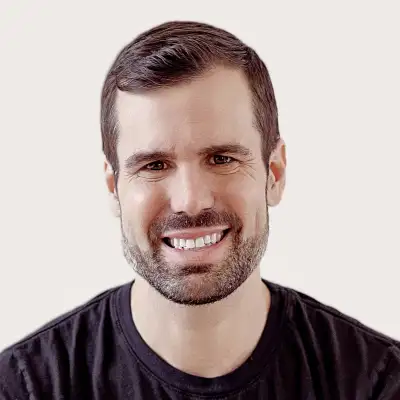
[3] How Brennan Dunn Leverages His Best Marketing Asset: His List
Okay. Let's do this. Hello, bootstrappers. Welcome to Bootstrap Web, the show for business owners like you and me who believe that to get to where we're going, we have to learn by doing. My name is Brian Casel.
Brian Casel:I'm also Castjam on Twitter. Today, you're gonna hear my interview with Brennan Dunn. In less than one year, Brennan attracted over 6,000 freelancers to subscribe to his weekly newsletter. We're going to hear how he built up this list so quickly. But more importantly, how does Brennan use his list to market his books and his SaaS app?
Brian Casel:I definitely learned a lot from talking to Brennan and, I think you guys will too. So that's coming up in a few minutes. I wanna tell you about something that I'm working on this month and that is a full site redesign of restaurantengine.com. So Restaurant Engine is a SaaS web design service that I've been running for the past eighteen months. And during that time, the service gained quite a bit of traction.
Brian Casel:It's doing pretty well. It's really kind of like my primary business these days. I mean, I'm involved in a number of things, but that's probably taking up most of my time, Restaurant Engine is. And so I've been learning a ton about what's working and, what's not working and really getting to know my customers, very well at this point. So I'm learning which aspects of the service my customers find most beneficial, and I'm learning, what the main selling points are, and I'm learning about what, what which points differentiate Restaurant Engine from my competitors.
Brian Casel:And, you know, let me be clear. In the beginning, prior to launching the service or in the early stages of the startup, I I know which things that I think are the biggest benefits or selling points, but it's not really clear until I really talk to customers, lots and lots of customers, that I really get a firm grasp on what those things are. You know? So, like, I I would hear the same questions come up again and again, which tells me where the points of confusion are in the service. So something that might seem very clear to me, might not be coming across as clearly as it could be to customers.
Brian Casel:And when I hear the same questions and people trying to clarify that again and again, it it becomes, pretty obvious. You know, I also get to hear, some of the most common objections that people have with with the service or things that are holding them back from actually signing up. Again, I hear that through talking with customers, pre sales conversations. I also hear that through when they decide to cancel. They tell me I always ask them why you've decided to cancel.
Brian Casel:So I hear what those objections are. And over a year and a half, again, you just start to hear these patterns. And you learn so much about what's going on in your business, so much more than what you can kind of design from the get go or just brainstorm, before you really, get that traction. And I also learn, I also hear a lot of the same compliments. I do ask for testimonials, but sometimes people just tell me, they're so impressed with with, how easy Restaurant Engine was or or the cost or, how fast they they got their web design up and running.
Brian Casel:So I hear some of these same compliments from customers again and again. Again, that gives me this kind of data or this knowledge about what is it that my customers are really valuing the most from the service. So all of this data and all of this understanding of my customers is what's driving this redesign of the website right now. And that's what's making this project really, really enjoyable for me. This might actually be one of the most enjoyable web design projects that I have done in my career.
Brian Casel:And that's saying a lot. I'm not too old, but I've I've been doing this quite a few years now. And I've worked on hundreds of websites. But this one is really kind of personal because it's it's my own business, and it's based on all these learnings that I've that I've built up over the past year. You know, when when you're designing a site, for the first time or, you know, for us a new startup or a new project, that's first launching, when you're designing that that version one of the website, you know, you're really just making your best guess at what the most effective approach is to that design.
Brian Casel:So, you know, you you you kind of know the benefits that you're trying to get across and you're gonna put those on the website, but you don't really know exactly how things are going to, play out with your customers until you you really get it in front of them and get that feedback. So, you know, after a year and a half of being in business with Restaurant Engine, there's so much more knowledge and learning that can be worked into this version two of restaurantengine.com. So I can work all these things that I've learned into the design, into the architecture of the website, the copywriting, and so on. So that's what I'm working on. I'm aiming to get this redesign launched and out the door by the June, so that gives me about two more weeks.
Brian Casel:I think I'm gonna make it. I'm almost there. Working on the I've done the design and now I'm working on the front end HTML CSS templates right now. And then once that's out the door, once that once that is launched, I I do plan to record, like, an in-depth video case study of my work on that project, and I will release that here on bootstrappedweb.com. So look out for that in a few weeks.
Brian Casel:Okay, so let's see what's on my radar this week. Dan Norris from Informly, who I interviewed on last week's episode, on his blog on at Informly, inform.ly, he posted this three part series on the blog. Actually, it's on his podcast. These are like three podcast episodes. Basically, they list 21 blog conversion mistakes, he offers his expertise and advice on how to fix those kind of mistakes for your blog, for like getting more opt ins and conversions.
Brian Casel:I guess both email opt ins as well as sales conversions. A lot of really great tips there. And if you're running a blog that supports a business, if you're doing content marketing and things like that, you'll definitely wanna check this out. And really just follow everything that Dan is putting out on the Informly blog. I mean, I'm definitely picking up a few, really great ideas, and I'm working those into the Restaurant Engine redesign, the blog on Restaurant Engine.
Brian Casel:I'm picking out a few of those, pretty good ideas. So thank you, Dan Norris, for that. Okay. So let's get into the main event, my interview with Brennan Dunn. All right.
Brian Casel:So I'm here with Brennan Dunn. Brennan, welcome.
Brennan Dunn:Hey, what's up, Brian?
Brian Casel:So for those of us who aren't familiar with you and your work, why don't you introduce yourself and tell us about your businesses?
Brennan Dunn:Okay. So my main business, I think, would be Planscope, which is a project management app for freelancers and teams. But along the same lines, or at least along the same audience, I also have two books out, Double Your Freelancing Rate and a book called The Blueprint. And I also have a workshop called Consultancy Masterclass. And on top of that, I have a podcast, I have a weekly newsletter, and a bunch of other things that all kind of relate to that same audience.
Brennan Dunn:So if you were to describe my business, I guess in one sentence, it would be a business that serves freelancers and helps them become better at what they're doing.
Brian Casel:Very cool. Yeah. I really like all the things that you're doing, really like how they're all tied together with one single audience, that is freelancers. And I guess also freelancers who are growing into more of a larger agency type of operation as well.
Brennan Dunn:Yeah, I mean, unfortunately, there's a lot of ways to describe somebody who has clients, I mean, you could call them consultants, freelancers. You could say they're at a consultancy or an agency. Ultimately, I'm serving really all of those self identified labels, but freelancing is probably the broadest term that I can cover.
Brian Casel:Sure. And, you know, I think the thing that really ties them all together, and from what I understand, your core method of marketing and putting yourself out there and building awareness is your list, your newsletter list, your subscribers. That's really at the core of everything that you do. And that's why I kind of wanted to invite you on the show today, to really dig into the success that you've had with your list and also how you've built it up over the years.
Brennan Dunn:Great. Let's do it.
Brian Casel:So first question, to give us a little bit of a perspective of what we're talking about here, how many subscribers do you have to your main mailing list?
Brennan Dunn:So right now, what is it, mid June or so? I think I'm just shy or actually, no, I just crossed 6,000, and then I sent out my newsletter on Tuesday and dipped a little under 6,000. But I'm hovering right now at about 6,000 subscribers.
Brian Casel:Nice. So and and you send out a weekly newsletter. That seems to be kind of the the center of your of the content that you put out. Can you talk a little bit about that?
Brennan Dunn:Yeah. Sure. So, have one singular Mailchimp list and I send to the entire list every Tuesday. And each Tuesday, what I send is really just, you know, sometimes it's a part of a series I might be doing. Like right now, I'm doing a series on project management, but ultimately it's just, you know, three to 500 words about something related to consulting or freelancing that I think people might find interesting.
Brennan Dunn:Frankly, So, the way I like to look at it is if I were to strip out anything related to my business, meaning if let's say I'm doing an email that subtly cross sells the book of mine, Even if I were to remove that cross selling, even if it had no call to action, the email should by itself leave somebody better off than they were before they read it. And that's my goal. And so they're purely educational. They're not really about me. They're not about what I'm doing or anything like that.
Brennan Dunn:It's really just focused on teaching people about how to become better or really how to better their business, better their freelancing business. Because a lot of freelancers start out, they quit their job, they're a designer or developer. They quit their job, but they haven't really mastered the business side. They might be a great developer, but they're not really a great business person. And my job is to help people become better at business because it's something that when I made that transition, I absolutely sucked at business and I learned the hard way how to avoid a lot of the common mistakes that a lot of new freelancers get into.
Brian Casel:Right. Now, I mean, mentioned that your news newsletters aren't so much about you. It's really about educating and training. But, I mean, I I do subscribe to your newsletters, and and I think you do a great job of actually pulling from your personal experience. So it is it still is very personal.
Brian Casel:Like, you're, Hi, I'm Brennan. Hey, what's going on this week? It's very you speaking to the reader.
Brennan Dunn:Oh, totally. I mean, there's so many newsletters that I might get that are kind of business newsletters, and it's all about who we hired or what's going on at the company and stuff about the company that's actually sending the newsletter. And my focus is not unless somebody can learn something about an experience I had, I don't think anyone really cares. So yeah.
Brian Casel:Cool. So so now your your newsletter is primarily available where? I I know you have, like, the or or like, which websites? Where can people actually sign up for the newsletter?
Brennan Dunn:So the easiest way to do it would be at freelancersweekly.com, which is a single page website specifically built to capture names and emails for the newsletter. That's where the majority of people join. I have paid ads that drive people to that site. But there's also, from my personal site and also parts of the PlanScope site have links or embedded forms rather that can get people directly on the newsletter that way. And I also have a if you buy one of my products, one of my books, you're auto added to my newsletter.
Brian Casel:Okay. I see. So we have a number of avenues or sources where people can initially get on your list.
Brennan Dunn:Yeah, and I've had others. I mean, I've done deals with AppSumo where I will have people There might be an opt in form when you go to download the book, if the book's being sold through AppSumo. I recently did a bundle which has a bunch of software or discounts for software in it. And one of the conditions of getting the coupons is you're gonna be added to my list. So, I have these other avenues too, but primarily it's through freelancersweekly.com.
Brian Casel:Gotcha. So when you're doing when you have like opt in forms outside of freelancersweekly.com, you know, on, let's say, like the PlanScope blog or on your personal blog, all of those opt ins are getting them onto your main single list. Right? You don't have, like, a PlanScope only list or your or or another list?
Brennan Dunn:I do. I mean, I have so if you sign up for PlanScope, you actually don't get on my mailing list. That's really the only exception to kind of my strategy for getting people on the list. But otherwise, like case in point, if you buy my book through AppSumo when I was running it on AppSumo and you opted into I had an accountability form. So, fill out your name and email, and I will personally keep you accountable to actually execute based on what's found in this book.
Brennan Dunn:And I had a little checkbox that says, I'd also like to receive your weekly newsletter. And only one person did not check that box. So, out of just shy of, I think, 800 people who bought my book through AppSumo, only one of them decided not to be on my list. So, it's pretty much 100% conversion rate of AppSumo opt ins to my list. But what I do for that is I just within Mailchimp, I just copy wholesale that list to the main list.
Brian Casel:Gotcha. Yeah. I think that makes a lot of sense. Especially with your businesses being so integrated with the same audience, Really just kind of building that single list from multiple sources. That's kind of something that I've been doing, I think, the wrong way for quite a while.
Brian Casel:And I'm trying to correct that now. I've had my personal blog at castjam.com. And I started to use an opt in form at the end of the articles there. And I had a single list just for Cast Jam. And now that I'm doing Bootstrapped Web, I'm trying to really focus on the Bootstrapped Web list.
Brian Casel:So I'm promoting that on both sites because it's Right. Kind of the same audience.
Brennan Dunn:Yeah. It's it's a lot easier to I mean, keep it simple. Right? So you have one list and you send that one list only.
Brian Casel:Yeah. Exactly. So, know, kind of getting back to the newsletters for a second. We're gonna get into, like, the audio auto responders a little bit later. But now, your weekly newsletters, you're actually writing these once a week.
Brian Casel:Right? So you're this is like new content every single week that you're writing?
Brennan Dunn:I do. Yeah. I want to say I spend probably about an hour a week writing the newsletter, and then I spend six or seven hours a week responding to people who reply to that newsletter. So one of the things that actually I think I do that a lot of people don't do is I ask people to actually reply to most of my newsletters and tell me about something specific that we might've talked about in a particular email. As my list grows, the amount of time I spend doing some people will send me multiple paragraphs of response data that I need to read through, parse through, and then reply to.
Brennan Dunn:And so I'm spending more time doing that. But in reality, what it's doing is it's helping me learn from really my customers and learn what language are they using, what problems do they have, how can I provide for them in a way that I'm not already through future products? And it's really just a way to kind of do ongoing customer discovery.
Brian Casel:That's great. Yeah, I mean, can imagine, especially with a list of that size and your call to action is to ask them to respond. I can imagine the amount of time you must spend actually personally responding to and in conversations with your readers. I think that's a great idea.
Brennan Dunn:I mean, it's a little more each week. Don't think, if I were to get to 60,000 people on my list, let's say, I think it might be a little harder to do what I'm doing now, but for now it's okay.
Brian Casel:Great. So take me back a few years and and what how how should I phrase this? I mean, how how did you start your mailing list? Like, was was starting the newsletter your your first action or did you start a business first and then decide to add the newsletter later? Or how did that all come together?
Brennan Dunn:So actually, we don't need to go too far back in time. Last February, meaning February 2012, I launched Plantscope. And I kind of ran into what most kind of startup founders run into, which is, okay, I have this product. It's got some early traction, but the damn thing isn't growing quick enough. And so, I did a lot of the traditional buy an ad through buy sell ads, point the traffic to my products marketing site, waste a lot of money.
Brennan Dunn:So I did that. And what actually ended up happening was I had exited my consulting business and I didn't want to go back to working with clients or working primarily with clients. And I realized that I could do the easy route, which is find a new client and get paid to work on their project, or I could find another way that is a little faster at making money than Plantscope. So what I ended up doing, and this was last August, was I decided to write a book. And I'd been talking with a lot of Plantscope customers, the few I think at that point, I probably had about 50 or 60 paying customers.
Brennan Dunn:And I learned a lot about their business. I didn't just talk to them about their relationship with my product. Instead, I talked to them about their business as a whole and tried to learn from them. And one thing that became pretty clear was people had a very hard time coming up with how to price according to the value they provide their clients. So I decided maybe I'll write a book.
Brennan Dunn:I had no idea if it would work. I had no idea if anyone would buy it. So I wrote this book called Double Your Freelancing Rate. I sold it for $50 and I self published it. So, pretty much just put up a landing page, had a buy now button that went to eJunkie and people bought it that way.
Brennan Dunn:And one of the things I did then too was I intentionally had e junkie linked to Mailchimp. So, I just started building up this list. And to this day, my weekly newsletter mailing list is actually in Mailchimp labeled double your freelancing rate. So, it still is a result of that. And what I really I did presales with my first book, so I sold it before it was available.
Brennan Dunn:And I knew that if I bought something online, I wouldn't If I bought something and didn't get it, I would want to at least know that there's activity happening behind the scenes and that I'm going get the book soon. So, I just started emailing the preorder customers every week. And I would just email them about parts of the book I was working on and just kind of extrapolating chapters that I'd been working on and presenting them in an email format. And it kind of caught on. And after the book was launched, I just kept doing that.
Brennan Dunn:And then after a while, I knew that if I had The biggest thing that I learned with Plantscope, the biggest problem I ever had when it came to email marketing with Plantscope was I never emailed my list. So, I've had a little north of about 3,000 people end up on my Planscope mailing list. And a lot of that was back before I took credit cards upfront. I would get Hacker News coverage, a bunch of people would do trials, but hardly any of them would convert. But it built up this list that I never emailed.
Brennan Dunn:So, it went cold. So, anytime I emailed the list nowadays, the unsubscribes are huge because people, they're like, What the hell is Planscope? And they don't remember. So I intentionally made an effort to keep this list warm because I know if the list was warm, people would kind of self qualify themselves by unsubscribing if they're not really interested in what I'm saying. But the ones who are used to getting me in their inbox weekly, we kind of build this relationship at scale and they trust what I'm saying, they like what I'm saying, and they like it enough that they're willing to hear from me each week.
Brian Casel:Yeah, and that actually brings up an interesting point that I wanted to hit on. I receive your weekly newsletter every week, and I think one of the most interesting parts of it is right at the very top, even before you you greet the person, even even before you're like, hi, you know, hello, reader, or whatever the name is, it starts with this paragraph, and I'll I'll read it here. You're receiving this short letter because you joined my newsletter or bought a book of mine. Each week, I send out free, no strings attached advice that will help you grow your freelance business. Not interested?
Brian Casel:There's an unsubscribe link at the very bottom of this email. And that's copied on every single week. And I just think that's interesting. Can you tell I mean, you kinda hit on it a little bit here, but what is the thinking behind that?
Brennan Dunn:Yeah. So, I wanna kind of my emails are very plain text. They're not the very graphically heavy newsletters you might be used to, meaning I don't really have a logo at the top or anything like that. So when I say my newsletter, that's a hyperlink that goes back to the squeeze page for my newsletter, which people actually end up sharing that a lot. So, this gets forwarded on, if you get this email and you forward it on to a colleague of yours, they can kind of opt into the newsletter themselves by clicking that top link.
Brennan Dunn:So, I get a lot of forwarded emails, then clicking that link and then opting in that way. But the other reason I think is because I'm kind of auto opting in people who buy a book, I don't want them to think that they're being spammed. I want them to know, like, look, if you don't want this, scroll to the bottom, click the link. The biggest thing that I don't want people doing is I don't want people clicking the mark as spam button in Gmail. I would rather them use Mailchimp's way of doing that just because it's a lot I don't know the details behind it, but I'm pretty positive that if Mailchimp got a lot of complaints from Gmail, it wouldn't be a good thing for my list.
Brennan Dunn:So, yeah, I just want people to know front and center kind of what are my intentions, right? Like, this is how you joined. This is what I'm sending you. And if what you find in this email doesn't apply to your business, maybe it's too advanced or too amateur for you, just get off. And I don't want people it's not a numbers game.
Brennan Dunn:I don't care how many people I have. I want people who have that magical five star rating on Mailchimp.
Brian Casel:Right. So let's talk a little bit about optimizing the top of your funnel. So you mentioned a few things here. You you have the freelancersweekly.com and you're running paid ads towards that. You also have this link at the top of your newsletter where people sometimes forward it on and that and that's a good source of of new subscribers.
Brian Casel:And you have various other avenues. So how do you track the success of these various channels? And then how do you go about optimizing that?
Brennan Dunn:Yeah. So unfortunately, I don't have a really sexy way yet of knowing like, okay, Brian joined on Mistake by clicking clicking on a LinkedIn ad. And then a month later, he bought a book. Then two months later, he bought Polansco. I've done that, but I've done that manually because everything is, you know, so siloed, I guess.
Brennan Dunn:I have Mailchimp, and I have, you know, Polanscope and all that other stuff. Although I I have started recently really relying on Mailchimp ecommerce API. Meaning that if you buy a book of mine or two books of mine, you know, Mailchimp will record when you bought these books and how much paid. So I'm able to do some I don't really know really good ways of reporting on that, but I've done kind of casual reporting. But in terms of my my squeeze page, freelancers.com, I'm getting about a 40% conversion rate on paid traffic.
Brennan Dunn:Meaning, you know, I'm spending about $2 a click, so it costs about $5 to get somebody on my list through a paid avenue. But it's actually it pays off pretty well because I've had people you know, if you buy a fifth a $50 book of mine, you just paid for, you know, nine other people joining that list. Right? And likewise, I've had people who have clicked on an ad for $2. They bought a book at $50, and then, like, two months later, they bought the blueprint at $2.50.
Brennan Dunn:And then two months after that, they bought my workshop at $1,200. So they just covered a lot of other people.
Brian Casel:Right? So
Brennan Dunn:I'd love to have a more formal data dashboard of how all this stuff is working. But in terms of money spent versus money made, it's definitely paying off. It's paying off pretty much about 10 to one. So for every for every $5 subscriber I get on, I'm getting about $50 in revenue.
Brian Casel:Gotcha. So let's talk a little bit about the life cycle of a subscriber. So, you know, after your after a person gets onto the list, what what's step one? Like, what what are they getting during that first week?
Brennan Dunn:Okay. So you get three emails. I don't recall the spacing. It's a few days between each. But the first email is really just an introduction.
Brennan Dunn:I think that's more or less pretty quick. It's an introduction about who I am and why I think they should listen to me. So pretty much it's just a lot of people who click on the LinkedIn ad do not know who I am. They haven't read any blog posts of mine. They don't know anything about me.
Brennan Dunn:So this is just my way of saying, Look, I quit my job. Became a freelancer. I scaled up my freelancing business to 11 full time employees. And a lot about I've made a lot of mistakes along the way and I want to help you avoid those mistakes. So I look forward to hearing from you.
Brennan Dunn:That's pretty much that first email. The second email is I ask people point blank, what's the number one problem you have with your freelancing business? So what do you hate about being a freelancer? And naturally, I ask people to respond and I tag all of these or I label all these emails in Gmail. And I've got about, I think around 700 or 800 people who have responded to that.
Brennan Dunn:And so the response rate is pretty high. But again, it's plain text in their own words problems that people have. And one thing about marketing is if you can throw back the actual wording that people use to describe their situation, I mean, that's just conversion rise. That's the best path to take. So, I have the plain text.
Brennan Dunn:It's not like I haven't surveyed people and told them choose A, B, or C. I have this raw data that I can then slowly kind of catalog into common phrases people use and common problems people have and so on. So that's the second email. And then the third email is a follow-up to that, which is, here's the number one problem that people have told me that they have. And the number one problem is actually related to pricing.
Brennan Dunn:So I upsell my double your freelancing rate book in that email and I get a pretty good response rate to that. So that's really the only autoresponder sequence is really just three emails and it's sent, I think within like eleven days, you get all of
Brian Casel:them. So a new subscriber who gets onto that initial three email autoresponder, are they also getting your weekly newsletter?
Brennan Dunn:Yeah. So let's say you joined Monday, you're probably going to get same day that intro email, and then the next day you're going get the weekly email. And then I think three days later, you would get that second autoresponder email. So, yeah, I don't wait until the autoresponder sequence is done before I start mailing the actual newsletter.
Brian Casel:Okay. And so then after that initial three email autoresponder is finished, do you do anything where you start to segment the subscribers? Like, okay. They've they've indicated that this person is a freelancer or that or this person has indicated they're an agency. Let's put them into a different funnel.
Brian Casel:Anything like like that?
Brennan Dunn:No. I mean, if I ever make the jump to something like Infusionsoft, I'd imagine that'd be a lot easier, but I haven't done anything like that. The only thing that I would do that actually are There are more autoresponders that I have, and those are triggered based on e commerce activity. So when Mailchimp I have autoresponders that say, if you bought, let's say double your freelancing rate, I think I have it like two or three weeks later, I send a follow-up email that asks them what they thought of my book. And I also casually cross sell my other book, The Blueprint.
Brennan Dunn:So I'm always kind of tweaking these. I'd love to have more of like I mentioned, that kind of data dashboard that kind of showed how effective each of these because it's not really one funnel, it's like a series of different funnels that all kind of cross each other So various
Brian Casel:Yeah. And and so you have you have the two books. You you also have a a master class in addition to to Plantscope, which is like a SaaS app. So how do does the masterclass come into play?
Brennan Dunn:So, I would love to be a little better at promoting the masterclass. Right now, it's really a I will have, in the postscript of particular emails, I might have a call to action that says, Hey, I'm planning on The next masterclass will be in May. Click here to read more about it, which brings them to the sales page for it.
Brian Casel:So that's kind of something that you would mention in the newsletters when it comes up in the calendar year.
Brennan Dunn:Yeah. I never make a newsletter dedicated to it, but I will kind of casually mention it. I mean, the PostScript is a great place to put little random tidbits that might not relate to the actual letter being sent out.
Brian Casel:Gotcha. Very cool. So how about tracking and optimizing the individual email campaigns that you send out, whether it's weekly newsletter or your autoresponders? Are you looking at things like open rate, click through rate? Are you AB testing subject lines or anything like that?
Brennan Dunn:So I'm not doing any split testing. I am kind of looking at what campaigns tend to do well. The autoresponders, don't do a lot of tweaking of. It's really just a set it and forget it sort of thing. But with my weekly newsletter, I am trying to see I don't really care about open rates.
Brennan Dunn:What I care about is a lot of stuff that I can't really get through Mailchimp. Mailchimp has no idea how many people respond to an email, reply to it.
Brian Casel:Oh, they don't track that?
Brennan Dunn:Well, no, I mean, the reply to goes directly to my email address. So it pass through Mailchimp. They'd have no way of knowing that. I'm sure maybe there's a way. I don't know.
Brennan Dunn:But yeah, so I try to see what gets people to respond well. People will write me back and say, This was a really solid email. And I'll make note of that and try to figure out what about it was really solid. I mean, not all of my emails are really created equal. I mean, some of them are very salesy.
Brennan Dunn:I'm doing this email to build up some anticipation for an upcoming product. So, some emails I like to call trust emails, which are really just about like, I'm not asking them to do anything, I'm not asking them to buy anything. It's just really a matter of giving them something valuable, which I look at it as it's kind of indebted them in a way that they just got something from me. So when I do ask them for something from them later on, they're more likely to actually act on that. But one thing I learned from Joanna Weave of copy hackers was the idea of for every email that you try to get somebody to buy something with, you should have at least three emails beforehand that do nothing but just educate and provide value for free where you're not asking for anything in return.
Brennan Dunn:So that's kind of the strategy I've been using. It's not always three to one, but I try to keep it kind of close to that.
Brian Casel:Gotcha. So what about the content for your or or like the topics that you choose to write about? I mean, could certainly see how when you're when you're asking for replies from your emails and you're getting a lot of feedback from your readers and they're telling you what they're what they're challenged by or or, you know, which newsletters they're they're really responding to. I could see how those could lead to potential new topics and upcoming newsletters. Like, that worked well.
Brian Casel:Okay. I'll I'll write about that again. Or they wanna hear more about that. So, I mean, do you do that? And then my my other question would be, you you mentioned that you're you're planning an upcoming product.
Brian Casel:You know, like, let's say you're planning to write a third book. It's it's it's about a a slightly different topic than your previous two books. Do you start writing more newsletters along those lines, like leading towards the topic of that book even before you announce it or anything? Absolutely. How that play into the content?
Brennan Dunn:I launched the Blueprint in March. I started promoting it in December to my list, but I didn't It was a very gradual buildup. And what made it kind of cool was I would just expose what I was writing about to the list and letting people know like, Hey, you know, I'm working on my next book. I just wrote a chapter on how to write the copy for your freelancing business's website. And I wanted to share some bits from it to you guys first.
Brennan Dunn:So, not only am I kind of providing exclusive stuff they can't get out anywhere else besides The List, but the idea of Brendan's working on a book. This is stuff that's going to be in the book. If this is the caliber of the stuff that's going to be in the book, I want this book when it comes out. So, it was very easy to actually The launch date of the book actually was a lot better than it could have ever been had I not done that. So, case in point right now, I'm on the second email.
Brennan Dunn:I just did the second email of a four part project management series. Now, I have a project management app. So, it's pretty obvious what the end goal for me at least with this four part series is. I've never really promoted PlanScope on my list until now. So, that's what I'm doing with this.
Brennan Dunn:And when I do my next product, it'll be the same thing. My next product is probably going to be more around beginner freelancers and how to build up a sustainable business. So I'm going to start with topics like that and just sort of build up momentum. I mean, case in point, and I did this all through Postscripts. I did this all through PSs.
Brennan Dunn:When I was launching my first workshop back in November for four or five weeks beforehand, my PS would always be a little blurb about what I'm thinking about, really just speaking or vocalizing out loud what I'm thinking of doing for this workshop. And I was throwing around price points and throwing around formats and stuff like that. So, kind of built up momentum for a small segment of people who might be interested in that. And then when I launched it, within a few hours, had sold 14 seats, which equated to 14,000 in revenue. And there's no way I mean, if I were to tweet, Hey, I've got a workshop here.
Brennan Dunn:Click here to register. No one would buy that. But because you've kind of built up that anticipation and everything, does pay off.
Brian Casel:Yeah. I mean, that's great. And of course, it's kind of an exclusive product. I mean, really, all you need is 14 people. You know?
Brennan Dunn:Yeah, right.
Brian Casel:Great. Yeah. I mean, that's great. And that kind of leads nicely into my next question here is is let's talk a little bit about how you're making sales. Obviously, a huge portion of what you put out is just educational, valuable content, useful, helpful, giving you something for free.
Brian Casel:But at the end of the day, this is this is all a business. And you did talk quite a bit about how you kind of incorporate these soft sells into the PS And building these four part series or however many part topical series and that kinda leads into a sell. Can you talk a little bit about how you go about making sales and writing that offer when it comes time to actually sell something?
Brennan Dunn:So, never really do a hard sell. You're never gonna get an email from me, which is all about like, buy this, you have ten days if you don't or you have Buy it in the next hour and you'll get this. I don't do the hard sell ever. But what I do do is I do try to There are certain things that, case in point, my workshop. I would never want to promote my workshop to somebody who joined my list last week.
Brennan Dunn:I want my workshop to go to people who have been on my list for months. They bought stuff from me already. The likelihood that then they're willing to take it to that next level is significantly higher when those qualifications are met. So I would love to find a really elegant way to dynamically generate newsletter content in such a way that I can have conditional postscripts and stuff like that. But I haven't done that yet.
Brennan Dunn:But yeah, I mean, my sales strategy is really just, if it's a product launch, I will build up over multiple months anticipation, but I'm also going to fill that with kind of just random filler, not fillers and fluff, but fillers and unrelated to that sale content. But it's just really you think of it as climbing a hill, it's just really getting people to that top of the hill slowly over time. I'm never going to surprise announce product to people and send them one email that announces it and hope that it actually sells. It's very much a matter of giving them free value over a long extended period of time and letting them see the value that they're able to apply to their business from this free content they're getting. And then basically making the argument that if you thought the value you got over the last few months was really, really solid and really, really high, I want to tell you about this product that I've been mentioning for months that is even more valuable, that is 10 to one, twenty to one in terms of the amount of value you'll get from it.
Brennan Dunn:And that's kind of my positioning, which is if you could sit on my mailing list forever for free and get a certain amount of value. But if you want to dive into a certain thing, if you want to really focus in on how to really price yourself or how to really get leads online, You can learn the abstracts through my list, but you're gonna need to dive into one of my paid products to really get the details and the actionable information on how to do that for yourself.
Brian Casel:Yeah. I mean, that that's fantastic. I think, you know, your whole approach here is is just the way that you've you've structured it and and the way that you've built it up over time, it's it's just, you know, impressive. So, you know, one one final question here. I think, you know, when a lot of people listen to these kind of podcasts, we hear we look at someone like Brennan who is clearly just doing it, just killing it with this kind of stuff.
Brian Casel:But I mean, all entrepreneurs, all bootstrapped entrepreneurs are challenged by something, even when you're doing well. So, Brennan, what's kind of challenging you right now? We're midway through 2013 here. What's kind of challenging you, but you're working through it? What's And going on right now and where are you headed?
Brennan Dunn:Good question. It's funny. There was a guy on Twitter yesterday who tweeted me saying, How many people should be on my list before I send something to them? And my reply was one. And why I bring that up is, I started my list really less than a year ago.
Brennan Dunn:I started it last August. And if I could have known that it would be at 6,000 people right now, I would have been like, I would have thought that was crazy. And really, I was looking with Plantscope when I first launched, or I was looking When I was starting my list, I was looking for that magical kind of hockey stick. What critical thing can I do once that will just make this thing explode? And I think the challenge that I have now is keeping myself from that mentality even today.
Brennan Dunn:I have these dreams of like I'm good friends with somebody who works with Ramit Sethi. And when I think of the size of his list, I'm like, Damn it, I want to get there. But what I don't realize is I can get there, but I'll get there at one option at a time. It's a slow growth thing. Whether you're talking about SaaS or anything else, realize it's a rare event to ever have some sort of catalyst that will just make your business take off.
Brennan Dunn:So just commit yourself to doing a lot of small incremental things, a lot of it hard work. And over time, if you're doing the right stuff, if you're working hard and you're producing stuff that people want, there's no reason why you won't just grow the way that you want to grow. It just takes time. So my challenge now is I'm always like, how can I get myself to 60,000 people? I should be thinking, how can I get myself to 7,000?
Brennan Dunn:Much more realistic, much more like, well, I can run this ad campaign and maybe it'll get me there faster. It's just trying to keep myself from thinking that kind of high growth startup mentality of do this little magic thing and then you'll just become like a household name overnight. I mean, that's crazy.
Brian Casel:Yeah. I mean, that's just fantastic advice. And I I really personally struggle with the same thing. And I have for a while. And and that has been one of the biggest lessons that I've learned maybe over the last year or two is, it is hard, especially as bootstrappers.
Brian Casel:We are the type of people who will go in and just start working on something because we can. And we know how to kind of figure things out. And that kind of fuel makes us wanna get results really really fast. But it just doesn't work that way. And you're building something much more valuable the slower it go.
Brian Casel:I mean, the more you focus on building it one person at a time, one sale at a time, one subscriber at a time, you're building something very valuable over the long term.
Brennan Dunn:I mean, and plus, you need time to kind of react to what's happening. If I were to go to 60,000 people tomorrow and I'm still asking people to personally reply and guaranteeing that I will reply, What is taking me eight hours a week now, if you just run the math, would be doing I need to work eighty hours a week to respond to newsletter stuff, which means I would be killing myself and having no time to do literally anything else but sleep.
Brian Casel:So Yeah. So, it's certainly not scalable, but it's definitely Let's helping you helping you build
Brennan Dunn:say five years from now, I am at that point or maybe sooner. By then, I will know the direction that I need to go in in order to make it so, you know, my personal goals, meaning freedom and flexibility are still maintained, but I'm also still being able to deliver a huge amount of value to my audience. So, yeah.
Brian Casel:Awesome. Well, I certainly learned a lot. I think other people will as well. This has been hugely valuable for me. So, you very much, Brendan, for taking the time and, joining me today.
Brian Casel:So where can people kind of reach out to you and and find you other than obviously subscribing to your newsletter, which which I do highly recommend, people sign up for?
Brennan Dunn:So the easiest thing to do would be to go to brennandunn.com, brennandunn.com. And that's kind of like a portal. If you click on products, you'll see everything I've done. You can contact me through Twitter or email from the contact page there. So it's just kind of like a centralized hub.
Brennan Dunn:So if you wanna, you know, get in touch or or whatnot, would yep. I'd I'd love for you to check out my site and drop me an email.
Brian Casel:Awesome. Well, Brennan, thank you very much for taking the time, and and let's talk again
Brennan Dunn:soon. Awesome, thanks, Brian. Okay. Bye.
Brian Casel:So I really enjoyed that conversation with Brennan, and here are a few takeaways that I took from that conversation. The first is that, you know, Brennan gives out genuine, helpful, educational content. There there is no hard selling. There he doesn't send any emails that have the sole purpose of selling a product. He does have soft sells and those are kind of mixed in, like in the p s at at the end of emails and and, you know, just kind of mentioned in in certain parts of the emails.
Brian Casel:But for the the vast majority of the content of the emails, it's just genuinely, helpful and educational content. You know, just one person teaching another. And you know, where he does get into selling, it's relevant. Right? So he's he's educating you on on how to build your freelance business, you know, but he's kind of mentioning if you wanna take this to the next level or dive deeper with with more detail and and get a better understanding, I wrote a book about that.
Brian Casel:So, you know, it kind of makes sense to to mention that kind of thing. And it's, you know, it's it's just an an honest, straightforward way to to sell products online. The next takeaway is he doesn't ever let people wonder who he is and why they're receiving an email from him. If you read the very if if you subscribe to Brennan's newsletter, and I highly recommend that you do at at freelancersweekly.com, you know, even if you're not a freelancer or doing client work, really great email list just to get on just really to see how how he does it. So, at the very top of every email, he has that message that we talked about, reminding people who he is and why they're getting this email.
Brian Casel:And then and just tells them, unsubscribe it's not for you or if you don't remember why you got on in the first place. So there's never that sense of wondering who this person is. He stays very familiar at the top of their mind. The other thing, this is just inspiring. I mean, he was able to build his list to 6,000 people in less than a year.
Brian Casel:I mean, wow, I've been working for longer than that, and I certainly haven't reached that level. But it's just inspiring to really see how he did it, and it gave me a lot of things to think about. I'm sure it does for you guys as well. So, it just really shows that if you stay focused and committed over the long term, the results will pay off, and maybe not as long as you think. To get 6,000 people, I would have assumed that would be three or four years.
Brian Casel:But he really shows that it is possible to kind of focus, dig in, and and get to where you wanna be within one year. You know? And and I really, liked his his point there at the end. You know, don't focus on your next 60,000 subscribers. Just focus on your next thousand.
Brian Casel:Take it one step at a time. Don't expect overnight success. That's what this that's what this business this this game is all about. You know? One customer at a time, one subscriber at a time.
Brian Casel:Drip by drip, you're gonna get to where you where you wanna be. It just takes a little bit of time. You gotta be a little bit bit patient. And I know how hard that can be, especially, for myself when, you know, I'm just so anxious to see results and build something and see the see the results of what I've built. It takes time.
Brian Casel:Gotta pull back and and just really remember that lesson. So, really great conversation, lot to think about. Okay. Now it's time for the big question. So here's my question for you this week.
Brian Casel:What are you doing with your mailing list? Are you letting it sit idle like like Brennan had initially done with his plan scope list? Or are you touching base with your subscribers every week and and and really keeping them informed, touching base, staying at the top of their mind. So share share your approach to your list and what you're doing with your newsletter and opt ins and things like that. To talk about that kind of stuff.
Brian Casel:Be sure to tune in next Monday for another episode of Bootstrapped Web, and let's catch up on Twitter between now and then. Hey guys, I've got a mailing list, so head over to bootstrappedweb.com and enter your email, and you'll be in the loop on everything that's going on here. Thanks for tuning
Brennan Dunn:in.

![[3] How Brennan Dunn Leverages His Best Marketing Asset: His List](https://img.transistorcdn.com/LDB_Cv9bHAA2vtoSPkZCpkdHPF6fAqfl7PL-PG7_c-M/rs:fill:0:0:1/w:800/h:800/q:60/mb:500000/aHR0cHM6Ly9pbWct/dXBsb2FkLXByb2R1/Y3Rpb24udHJhbnNp/c3Rvci5mbS9jMjkw/MDYxZDQ0MWIxYTUw/NTMzMGI2NTExZWMx/MWQ1Yi5qcGc.webp)