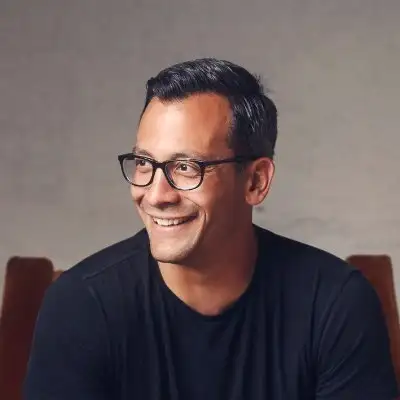
[68] Mike Taber on Life as a Single Founder
This is Bootstrapped Web episode number 68. It's the podcast for you, the founder who learns by doing as you bootstrap your business online. Today, we're talking to Mike Taber from Startups for the Rest of Us and Audit Shark and a bunch of other things that we know him from. Mike wrote a book, crazy endeavor that that is. He wrote a book called The Single Founder Handbook, and I'm pretty excited to talk with him today.
Jordan Gal:Diaz, this is Jordan. I might sound pretty nasally, but still, it's Jordan.
Brian Casel:Jordan, you made it. I'm Brian, and it was a good conversation with Mike. I think we we covered a whole a lot of ground, a lot of different areas, heard a lot from from Mike's past and what he's working on currently, you know, stuff that that may not hit the airwaves of startups for the rest of us. It was really interesting to kinda talk to him, and and, you know, we we kind of went deep in in terms of what it means to be a founder and and it was interesting talk.
Jordan Gal:I I I agree. You could tell that he's been giving us a lot of thought. We touch on a few topics then we went deeper than you normally do on the founder versus, you know, cofounder or doing it on your own and all these, like, happiness versus financial outcome. And you can tell he's given a lot of thought to this. So I think it's gonna make for a great episode that people are gonna like.
Jordan Gal:So we're gonna jump right into that after this break.
Brian Casel:Today's episode is sponsored by LESS Accounting. So I caught up with the co founder of LESS, Allen Branch. Take a listen. Alright. I'm here with Allen Branch.
Brian Casel:Allen, thanks for joining me here.
Speaker 3:Thanks for having me.
Brian Casel:Cool. So less accounting. You know, I'm curious. Why did you call the company less? What does that mean?
Speaker 3:Everyone wants to get back to work. And accounting and bookkeeping is one of those things that everyone dreads doing. And no one has the time for it. And we want we don't wanna build software that takes up time. So obviously less features, spending less time in the application, get back to work, back to billing clients, making money.
Speaker 3:Yeah. That was our goal.
Brian Casel:Yeah, totally. And I've used less accounting before and I've used other accounting software before and that's what always frustrated me so much about about these other guys is is like there's so many features and buttons and forms and pages that you have to like sift through and but you know what I really liked about about your product was the way that you write copy within the product and how, like, you describe things in totally, like, nontechnical terms, you know, kinda like speaking my language.
Speaker 3:Sure. So I think, you know, we write our copy the way we speak to our friends. We didn't invent that concept either. I can't quite claim that. But bookkeeping sucks, and every piece of accounting software is terrible, including ours.
Speaker 3:They all we can't get rid of how bad doing back reconciliations is and and and categorizing expenses. We can't get rid of that. What we can do is speak friendly to our customers within the app and try our just our damnedest to be friendly and kind and jovial within the bookkeeping task and the speak instead of trying to make things less or more pleasant as opposed to as opposed to terrible.
Brian Casel:So, you know, you guys have like thousands of customers now. Who are your customers? Who did you design Less Accounting for? How would you describe like your, you know, your most common customer for LessAccounting?
Speaker 3:I would describe them as handsome and smart.
Brennan Dunn:Well, we know that.
Speaker 3:Yes. They're the smartest people in the world, and they're the most successful business owners in the world as well. No. You know, we built this account. We started building it in 2006 or 2007, or late six, early seven, something like that.
Speaker 3:And we built it for ourselves. At the time, were freelancers. My business partner and I were freelancers. We needed to send a few invoices, send a proposal or two, track some expenses, and then get back to work. And and we built it for ourselves.
Speaker 3:And we continue to add little features here and there, fighting back the major accounting features that QuickBooks has or other other accountants or CPAs want, and kind of just staying focused on what the core business owner needs to make sort of, spending decisions and hiring decisions.
Brian Casel:Yeah. Very cool. So what is this autopilot thing I heard about? Sounds interesting.
Speaker 3:So as much as, you know, being a software guy, I think software is, you know, the answer to every question. It's, which we do, build software. But there are things that we cannot automate with software. You know, Bank reconciliations and some expense calculation just has to happen by a human. As your business progresses and you become busier and busier as a business owner or freelancer, you start shifting your focus into sales or marketing and out of bookkeeping.
Speaker 3:And and so we've added basically a service layer on top of less accounting. You can still do your books and less accounting yourself, DIY, and it's a great piece of software. But now we actually have bookkeepers that will help you on a reoccurring basis doing expense categorization and bank reconciliations. We're not touching people's invoices. That's sort of what I think is at least the fun part of running a business is collecting your invoices.
Speaker 3:And so we're not doing invoice collection for people, but we're handling all the other tasks that they dread.
Brian Casel:Yeah. So you're just handling like the boring stuff,
Speaker 5:like the
Brian Casel:monthly reconciliations and the and that that kind
Brennan Dunn:of stuff.
Speaker 3:And then we package it up all beautifully and we either send it off to your CPA for him to smile and thank you for, or we introduce you to a CPA that we think is a kick ass and they'll help you file your taxes.
Brian Casel:I love it, man. That's awesome. Alan, thank you so much. And I know our listeners will get a lot out of lessaccounting for sure.
Speaker 3:Absolutely. Thank you.
Brian Casel:Alright, so head over to lessaccounting.com and if you're interested in their new autopilot bookkeeping service, go to lessaccounting.com/autopilot. Be sure to use the coupon code Bootstrappedweb and that will give you your first month of bookkeeping service for free or that'll get you two months free of the LESS accounting software. So thank you Alan and the guys over at LESS. Alright. So we're here with mister Mike Taber.
Brian Casel:Mike, how's it going?
Speaker 5:It's good. How are you?
Brian Casel:Good. So thanks for coming on. And, you know, as always, I I think us, like a lot of our listeners here are, you know, big fans of of startups for the rest of us. I always get tripped up whenever I say that. Because I'm always recommending that show to other people and then I'm like
Jordan Gal:You you use the acronym.
Speaker 5:Right? Yeah. Sure. Yeah. Go for the acronym.
Speaker 5:Yeah. You Easier.
Brian Casel:So Mike, you know, I I thought, you know, maybe we'd we'd start off. I mean, obviously, people kinda know a lot of the things that you do, but what are you kind of working on this year in 2015? What are you currently focused on? Maybe tell us a bit behind the scenes of what we might not be hearing on on the podcast.
Speaker 5:Sure. So, the first couple of months of this year have been kind of dedicated much more towards getting my single founder handbook out, and, that's coming up on the launch. My private launch is gonna be next week. So it'll kinda be ending about the time this podcast probably goes live. And then at the end of this month, I believe it's the twenty eighth, is kinda what I'm targeting for a public launch.
Speaker 5:So I'm kinda using the the the private launch as more of a beta test than anything else, See how things go with that and then kinda do a public rollout for it. In terms of the other things that are going on, Rob and I are kinda reworking a lot of things inside of the Micropreneur Academy. We're essentially rebranding the system because five or six years ago when we started the Micropreneur Academy, we didn't really think too much about it, but we realized after the fact that naming the online community the exact same thing as the name of the business, in retrospect, is not such a great idea. So there's confusion about, well, are you talking about the business? Are you talking about the online community?
Speaker 5:And then, of course, we've got the podcast and microconf and all these other things that kinda feed into it. So it's become a little bit difficult, and we're even running into problems with it now because we've decided to rebrand it as founder cafe. But there's founder cafe for MicroConf, and then there's founder cafe for the online community. So, of course, we're just kinda repeating the same mistakes over again. We're still trying to figure that out.
Speaker 5:So a lot of my time over the next probably couple of months is gonna be spent, working on Foundry Cafe.
Brian Casel:Very cool.
Speaker 3:And then
Speaker 5:in addition to that, obviously, I work on Audit Shark as well, which is a, it's aimed more at the small medium business market for compliance software. So compliance, security assurance, you know, basically security configuration.
Brian Casel:Very cool. How is that project going? So you actually joined us on that Vermont trip, Big Snow's Tiny Conf. We were talking a lot about it there. I thought it was really interesting how you were talking about the iterations in Audit Shark and how, you know, you're beginning to do some like product high services built into it and that sort of thing.
Speaker 5:Yeah. So it's interesting that where I started out was to essentially take the product more towards a more towards the enterprise space, and the enterprise sales cycle is just extremely long. I mean, I have a customer that is I shouldn't say customer, prospect, that I've been working with since January. And, you know, that's, what, thirteen, fourteen fourteen months at this point, almost fifteen. And
Brian Casel:That's lightning speed for enterprise.
Jordan Gal:You know? Exactly. That's the white bell right there.
Speaker 5:You know? But, I mean, the the the dollar amount on it is huge. I mean, they're looking at, you know, 35,000 machines to use it on. So it's not like it's a small deal. It just takes forever to to do anything with it.
Speaker 5:But you can't base your entire business on these deals that only come in, like, once every 18. So you have to have something else that kinda drives things forward. So I've been looking at much smaller markets, and I initially started out trying to do it as a just a pure SaaS offering. That didn't work out so well because you also have to have some sort of knowledge of this space. So I kinda ditched that for a while, went off in the the direction of having a desktop based application where it would just be for people who wanted to download it and use it on their local environments.
Speaker 5:But even then, if you're targeting the smaller businesses, they don't necessarily have the resources on staff to be able to do it. So what I kind of have come to realize is that unless you're they're doing it on a very regular basis, So for example, a managed services provider or a consulting company that is going out and actively doing security assessments on behalf of customers, and they're doing it all the time because that is their business. Those people are a great fit for it, but the people who need it done, probably not. So, like, those people need more of a service where somebody like me comes in and says, okay. I'll do the assessment for you.
Speaker 5:It'll cost you $1,500 or 2,000 or 2,500 or something like that. And I'll give you a report, we'll walk through it, and I'll tell you exactly what's wrong and how you can fix it. And that model is different than the people who just call up and say, hey. I, you know, I just need the software because I do these things every week, and I need something that can pull the information back for me quickly.
Brian Casel:I love that whole idea of of, like, SaaS, you know, plus the service because there often is the the very clear problem solution fit there. But from the customer standpoint, there's always that that that something standing in way. And that's either the the technical know how to implement it or the time it takes to actually get it done. They know that they need this done or they know they need a solution or they know they want the benefit, but it's that hurdle. And then if product owners offer that extra service, that's all you need to get over the line.
Jordan Gal:Right. And and guidance and expertise and knowledge. I mean, is what you do all day. Right? When I talk to ecommerce store owners, they they talk to me.
Jordan Gal:I mean, I think about abandoned carts all day. Obviously, want guidance. They don't want just the product. It's really good timing. There's just a blog post on Kissmetrics.
Jordan Gal:I think it's very recent. They don't put dates on their blog posts, but it's called Your SaaS is Not a Product, How to Change Your Mindset and Boost Revenue. So the funny thing is that this thing is called software as a service, and we ignore that entirely and we just think it's a product because everyone wants the dream of selling a repeatable product in mass at scale. But the truth is for for most people, there are a lot of benefits to focusing on this on the service part of it.
Speaker 5:Well, I think that's also a popular misconception for a lot of people who are developing a product, and they say, well, I wanna do SaaS because I wanna sell to a lot of people, and I don't ever wanna have to talk to customers. And that's kind of the dream, and it's just that doesn't really work out partially because you can't operate a business and not talk to the customers. But at the same time, they look at SaaS and they say, well, I can have all these customers, and I don't need to do anything for it. And the reality is that in many cases, and if if not most of them, you really do need to do stuff for the customers directly, and and you have to do a lot of that stuff one on one. And it's just I don't think that it's a myth or a misconception.
Speaker 5:It's just a, you know, this idea that people have in their head. This is how I'm going to operate. And until you really get into it, you don't fully understand the extent to which you have to work one on one with the customers even though it's a SaaS offering and you're offering it as a monthly subscription and they use it, you know, as they need it.
Jordan Gal:Yeah. It's the same analogy to to VC and funding. You're you're looking at the top 1% or less, and you're saying that's how startups get built. You raise money and then you do this and then you do that. In in reality, most of us are not 37 signals.
Jordan Gal:We don't do project management that 10,000 people sign up for a month and maybe 2,000 stay on as paying customers, but you don't really care that much. And it's directly related to pricing. Good luck making a living on an app that costs $19 a month when you have to talk to people and tell them and guide them on how to set up and why you should change this. It's all kinda related, but it's interesting how these things kinda go in cycles, and now people are heading in that direction.
Speaker 5:Right. But that specific point that you brought up about the $19 a month has a lot more to do with what your lifetime value is for the customer and how much time you can spend onboarding a specific customer. And based on the lifetime value of the customer, it almost dictates what you can and cannot do for the types of customers you have. So your sales model and the amount of time that you can spend with an individual customer is a lot different if you're charging a thousand dollars a month versus $19 a month or even $9 a month. You know, if you charge $49 a month, you could spend quite a bit more time, especially based on whatever that lifetime value is.
Speaker 5:Because if your lifetime value is $2,000 because they're gonna stick around for a long time, then it allows you to do a lot more for them than a customer that's only gonna stick around for, say, six months or twelve months, and your lifetime value is a 100 or a 150. So it's it's not so much about the dollar amount. It's about the total lifetime value. And when you are first starting the business, you have no idea what that is, which is the part that kinda sucks.
Brian Casel:You know, Mike, I I also wanted to kinda I think in this conversation, we're gonna shift gears and jump around a bunch of different things because, you know, I I think it'll just be an interesting conversation. I'm kind of curious about, you know, kind of going back into your history of different projects and businesses that you've worked on, you know, as a founder, you know, throughout your career, what are the things that kind of stick out as, you know, key learning experiences and how did you like, kind of handle the transition from one to the next? I know, you know, recently you went through the transition of, you know, from from your consulting company to something else. So any thoughts on on that?
Speaker 5:You know, looking back on it, it almost seems like a lot of those transitions were kicked off by something terrible, if if I wanted to put it that way. So when I first set out on my own, which was back in 2005, the company that I've been working for was Pedestal Software. They got acquired by Altiris Corporation for $75,000,000. And I was the fourth engineer who was hired, and I had 5,000 or 10,000 stock options or something like that. And I'm looking at it thinking to myself, man, I'm gonna make a heck of a lot of money from this.
Jordan Gal:Yeah. How how is this terrible again?
Speaker 5:Oh, well, I I made $8,000. Was it. And I realized that even though $75,000,000 sounds like a lot of money, being the fourth engineer, you don't necessarily get most of it or even a lot of it. I mean, I I did the math on it. It was point 00016% of that $75,000,000.
Speaker 5:And, really, it was like an extra month of my salary. You know? It really wasn't very much. So, you know, it's just different things in your life change, and, you know, you have to figure out how to deal with them. And it's interesting because I think that a lot of people go through that where they have a career that they don't like or a job that they don't like, and they force changes in their life, like, for example, switching jobs because they can't take it anymore.
Speaker 5:And it seems like a lot of the, I'll say, life lessons I've learned are because of some external factor that just kinda forced my hand to do something. So back last year when I decided to quit consulting, I got I was burned out. I just couldn't take it anymore. My wife was just on the Startups for Restless podcast last week with Sherry Walling, which is Rob's
Brian Casel:wife. Heard
Speaker 5:that. And she was Sherry was absolutely shocked about how much road consulting I was doing. I mean, there was there was one week or one month or not even a month. It was a year where I was doing, you know, upwards of forty weeks of on the road consulting. So it was back to back to back.
Speaker 5:I'd leave Sunday night, and I'd be back Friday night. I'd be home for a day and a half to do laundry and see the kids, and I was out the door again. That's right. You do that long enough while your kids are growing up, and you just can't take it anymore.
Jordan Gal:Yep.
Speaker 5:So that was another thing that was kind of forced in my hand that you know? And I look at it in retrospect saying, why didn't I pull the trigger sooner? Why didn't I do something sooner? You know? Because it's honestly, in many ways, it was just killing me.
Speaker 5:I just couldn't take it anymore. So I think a lot of those things are are externally forced, and you don't necessarily realize what's going on because you're kind of in the thick of it. And I think a lot of people probably suffer through those things because they don't really it's hard to know what another situation is like until you're in that new situation. And then you look back on it and say, well, that should have been obvious to me, but it just wasn't for some reason.
Brian Casel:You're right. I I can't imagine the the the stress that must have put on you and and the family throughout that whole time. But, know, we we just did an episode a couple of weeks back around making a transition from one business or one phase to the next. I'm very much in that transition right now. And it is you're right.
Brian Casel:It's it's incredibly scary moment even if you have a clear plan in place for for what's ahead. I think just the fact that, like, you're what you're gonna be working on next week is so different from what you worked on last week. You know, it's just it's hard to wrap your head around until until you're a couple of months down the road after that transition moment that you can look back on and be like, this this actually makes sense.
Speaker 5:Right. I mean, I talked about it last year at MicroConf that, you know, during my talk there that one of the things that, you know, scares people the most is not necessarily the thought of a bad outcome. It's the the fear of the unknown, not knowing what's gonna happen. And the example I used is me going golfing. I know that when I step out on a golf course, it's not gonna be a good good result.
Speaker 5:But at the same time, I know that I'm gonna go out there and I'm gonna drink beer with my friends and have fun. You know? It's just it's not the bad golf game that scares me. It's the you know, what's going to happen. And if I know that it's gonna be a bad result, big deal.
Speaker 5:It's it doesn't really matter because I'm kinda prepared for it. But if you don't know what's gonna happen, especially if you're in this transition period where you're going to a new job or launching a new app, it can be kinda terrifying.
Brian Casel:What is the the biggest fear that most people have with starting a business for the first time or or leaving their job for the first time to to go out on their own?
Speaker 5:A lot of it has to do with that unknown thing, but it's also a feeling that they're taking risks and not knowing how big those risks are. So if somebody starts a new job you know, any new job is gonna be a risk. Any new app is going to be a risk. And I think a lot of, you know, people who are out there working full time jobs have this thought in their head that, well, this is a safe option for me. I'm gonna go to my nine to five, and I've got my full time job and my salary, and then I'm gonna get paid every two weeks.
Speaker 5:And they see entrepreneurship as a much bigger risk because you don't necessarily know if you're gonna be able to make ends meet from one week to the next. But the reality is, you know, you look back at economic downturns, and people get laid off in droves, not even just by tens of thousands, but hundreds of thousands at a time. And it can be terrifying to be in that environment where you have no control over your future. And that's the kind of person I am is I don't like to be out of control. I don't like to be in a situation where I have no influence over what the future holds.
Speaker 5:So for me to go work for somebody else, that to me is terrifying, to be honest.
Brian Casel:I I couldn't agree more, you know, and and you're right. So many people look at the idea of of being employed at at a nine to five or whatever that that that's the safe option, that that there's there's no risk there. But I mean, you're right that the the risk is that your fate in that position or or in the in in your destiny and where you're going there is in someone else's hands. Someone else makes the decision to lay off an entire floor of a company or or even, you know, maybe not layoffs, but just, you know, career mobility. Right?
Brian Casel:So getting the promotion or not or getting to the to the right department or or not is out of your hands for for you can do a good job, you can do great work, but at the end of the day, it's it's not just you. Whereas running a business, there are tons of decisions to be made and that's incredibly difficult, but at least you're the one making the decision and you don't even have to make the right decision every single time. You just have to do it maybe 50% of the time and you'll be fine.
Jordan Gal:So if not less. Yeah. Intellectually, that argument makes sense. Right? You could buy into that argument.
Jordan Gal:You can say, look. Entrepreneurship, as risky as it is, it it can be weighed against the risk of not being in in control of your own fate, but but there's definitely something that exists that makes the the normal nine to five career path seem a lot safer. So whether or not it actually is, and we can argue over that, but but to people who are in it, to a 22 year old, to to someone who's gonna be a new dad or a new mom, like, it definitely feels a lot safer. So, Mike, do you think that is a personality? Is it is it innate?
Jordan Gal:The wanting more risk or being okay with more risk, or is it something that we kinda get drilled into us at school, at home, at universities that were kind of programmed into this thing? Either way, it's it's a difficult thing to break out of, and and the percentage while climbing is still relatively low of people who go out and do something on
Speaker 5:their own completely. Right. It's growing. I think there's a couple of different factors at play that make it difficult to kind of even just to be externally and and kind of evaluate what's going on. So if you're the person in that situation, the example that I like to use, is if you take the there's this old adage that if you take a frog and you throw it in a pot of boiling water, it's gonna jump out because it realizes that the water's hot.
Speaker 5:But if you put it in a pot of water and you slowly bring it up, it's gonna boil to death because it's comfortable. It doesn't really realize that it's being boiled to death. Now scientifically, that's not actually true if frog was actually going to jump out. I don't know where that myth came from. For some reason, it's been Great analogy.
Speaker 5:Long time. But it is a great analogy because if you're in a situation, it's hard to recognize, you know, what else is going on. Like, you know, for example, if you take a look at yourself and you say, you know, maybe people who are depressed, for example. You know, are you feeling normal? You know, it kinda goes back to a philosophical question like, you know, am I the person that I say I am, or do I exist?
Speaker 5:Things like that. It's a little bit existential questions. But at the same time, if you're in a situation, you know, is this a normal situation for you to be in? And the fact is you have only one perspective, and that's your own. So if you're in a job and it's the only job you've ever had, how would you ever be able to come to the conclusion that it's a bad job?
Speaker 5:And the fact is that it's very difficult to do that because you've only ever seen your own perspective. So that's one piece of it. I think another piece of it is that part of it is the about the risk side of thing because people have different tolerances for risk. So I'm and I I think some of this is related to age as well. So I'm I'll say I'm a little bit advanced in my years for, like, a software entrepreneur, but I feel like as I've gotten older, my risk tolerances have gone, you know, significantly lower.
Speaker 5:I mean, I've I don't take nearly as many risks as I used to. So that might be a factor of age. It might be a factor of just who I am. And I think it's hard for me to say one way or the other because I you know, it's not like I study that stuff on a regular basis. I'm sure there's a psychologist out there with studies to back that up, you know, one way or the other.
Speaker 5:But I I think that there's a lot of factors at play, which makes it difficult to truly analyze what's going on.
Brian Casel:You know, people talk a lot about risk and, you know, entrepreneurship, you know, that entrepreneurs are so risk averse and and all this. And I I've heard a lot of founders say, and I I definitely resonate with this that I think I am very risk averse.
Speaker 5:Right? Are you risk risk tolerant or risk averse?
Brian Casel:Risk averse. Right? Okay. I think it's more about responsibility and like you said, like kind of being in control. And and that's not necessarily taking risks.
Brian Casel:I think part of the attraction of being of taking, you know, employment is and sometimes I wish I can go back to having a nine to five because I at 05:00 I can go home and completely disconnect and feel no guilt and no responsibility to have to check email or to think about whatever problems I was working on at work. Whereas with entrepreneurship, we can do what we can to disconnect and try to be diligent about that. But at the end of the day, know, there are always going to be those sleepless nights when you're thinking about some kind of problem or challenge that you're working through, or a decision that needs to be made. But that's, I think that's also part of the attraction. I think we like to wrestle with those decisions and take responsibility for figuring it out, whether that means educating ourselves or figuring out what needs to happen in order to get to a certain goal, short term, long term, you know, I I think that's what what actually makes it exciting for us.
Speaker 5:Yeah. I I think that that's one popular misconception is that people think that entrepreneurs are kind of pre programmed to take risks or they take bigger risks. And the reality is that, especially as a bootstrapped entrepreneur, your job is not to take risks. It's to mitigate them. It's to figure out how do I minimize the downside and maximize the upside.
Speaker 5:If you're, you know, 22 years old and you've just taken $3,000,000 in funding, it's not your money anyway. You don't necessarily care. You're not invested in it. You don't think too much about your future because you can live on ramen noodles. You've got nothing else to do.
Speaker 5:You've got no kids to worry about, and you can work from, you know, noon because you didn't actually get up until noon until 4AM. And that's okay to have no life whatsoever. But, you know, like I said, it it kinda comes down to me, I think in some in some ways to a function of what your age is. And, like, as you get older, your life changes, So your priorities change. And I think you have a better handle on what your priorities are and what makes you happy when you're older than you do when you're younger.
Speaker 5:And it's not to say one is better than the other. It's just your life is different. That's all it is.
Brian Casel:And I think with with age and time and experience, you have more to work with. And maybe that maybe that's why it feels like you're taking less risk, but actually you're you you have more experience to build every decision on. So you can you can work smarter. You can you can get into things that you know you you'll excel at and kind of avoid things that that you wouldn't. Whereas in your twenties, like like I did in my twenties, I was just doing everything and anything because I was just exploring, seeing what works and what doesn't.
Jordan Gal:Yeah. The only thing I would I would quibble with, I would in insert as a as a counterpoint is if we are taking on more risk compared to a nine to five that gives you health insurance that has or, yes, there's always the risk of being downsized and being laid off and all this other stuff. Right. But generally speaking, it certainly feels like we're taking on more risk by working for ourselves. My issue is that I think we need to be compensated for that risk.
Jordan Gal:If you're gonna have higher risk, then it should be a proportional high return. So the thing that has led to a lot of dissatisfaction in my entrepreneurial life is whenever I compare it to a career that I I could have been on, I always look at that and I say, should be doing better than that because I have more risk. Therefore, I should be rewarded. And I am doing nowhere near what I would have done if I stayed on Wall Street. So I have a very high bar for what I find acceptable because when I I'm taking on more risk.
Jordan Gal:My family is in more risk. All this other stuff is piled on. It should be it should be compensated.
Speaker 5:But I think what you're are you specifically referring to financial compensation?
Jordan Gal:Yes. I because that's I generally just talk about money more.
Speaker 5:Okay. I can I can see how you
Jordan Gal:could satisfaction, but I tied that to money too? Shit. You know?
Speaker 5:Well, I mean, in some ways, money is a a way of keeping score. It's a it's a way to see how well you're doing, and I think that that's Quantifiable. Yeah. It's quantifiable. Whereas, you know, how happy are you today?
Speaker 5:That's a very that's difficult to quantify in many cases.
Jordan Gal:I a 100%. I'm infinitely happier than as if if I stayed in a suit, you know, in Downtown Manhattan.
Brian Casel:Right. I I think I think you also need to offset whatever your salary would have been there by how shitty every single day was working there. You know? And then and then it and then it all of a sudden it want
Jordan Gal:cake here, and I wanna eat it here. And I can't find it, and I want a cake in a sports car and a cake in a nice hotel room. But I think I think you're right. Maybe that's a lot of the dissatisfaction is in focusing too much on the financial side and not saying, look. My life all around is the bigger factor as opposed to just compensation.
Speaker 5:Right. I mean, I I think you need to know what makes you tick and what makes you happy though too. And that's that's something else I think that a lot of entrepreneurs kind of gloss over when they first start out because they just think to themselves, well, I want freedom. And it's like, well, what does that really mean? And for for you, in some cases, it may be that money is one of those things that you look at that as score, but you also look at that as happiness or satisfaction.
Speaker 5:But the reality is, I mean, if you had a million dollars, what would you do with And it's and it's not just a hypothetical question. It's one of those things that, you know, you have to ask yourself, what is it that truly makes me happy? And, you know, for me, I mean, I I actually went through this in my book. There's a section in the book that basically exactly talks about what sorts of things you need to consider before you start going out on this path because you need to know what it is that makes you tick. What is it that motivates you?
Speaker 5:Why do you wanna get out of bed every day? And what is it that's going to make you roll out of a bet out of bed and actually attack the day as opposed to just, okay. You get out of bed. I gotta put on a suit. I'm gonna go to work because I gotta pay the bills.
Speaker 5:You know, what is it that makes you happy? Because if you're doing the same things over and over that that you're not happy about it, eventually, you get to a point where no amount of money makes you want to do it over and over again. I saw it was within the past month or so, saw this analogy that was drawn, and I think there might have been a study done on it where they took a bunch of construction workers, and they said, okay. We want you to dig this hole right here. And they paid them I forget how much it was.
Speaker 5:And then they at the end of the day, they said, okay. Now fill that hole in. And then they came back the next day, and they said, we're gonna double your salary, and we want you to dig this hole. And so some of them did it. And then at the end of the day, they said, fill that hole back up.
Speaker 5:So they did it again. And the next day, nobody wanted to do it. They wouldn't do it even though even though they were doubling their salary again. And the reason was because the work was pointless. And when you're doing something that you feel is pointless, it doesn't matter how much money you get paid, you're not happy.
Brian Casel:I think that was a that was a TED talk. Right? I I was watching that.
Speaker 5:It might have been. It might have been.
Brian Casel:Yeah. Yeah. Like, has to be that that level of satisfaction in in the work. And and I I'm I'm really focused on that right now. I I've been focused on it, I think, my whole career, but really right now, again, because I'm I'm going through this kind of transition.
Brian Casel:For me, I I just keep this idea in my mind is like, have to love the work. And at the same time, I agree with what you're saying, Jordan, that, you know, I I feel I need to be compensated more than than what I have been for sure. I I I definitely feel that. But at the same time, I really value, if not the same if if not more, you know, the the satisfaction of every day, like, loving the the work that I'm like, the projects that I'm digging into.
Jordan Gal:It's only to a point. And and beyond you know, we've all heard the numbers beyond a certain income level. You're not any happier generally. I think that income number is too low in in those studies. I don't think it's realistic.
Jordan Gal:Maybe it depends on where you live.
Speaker 5:I think it's because we're software developers too. We tend to be on the upper end of the scale. So I think the number's 75,000 and above that. And it's just like, okay. A single software developer can get more than that pretty easily in any major city.
Speaker 5:Right. So So
Jordan Gal:it moves it. I think what you're onto there, what we're what we're circling around now is really I guess it depends on your experience. For me, it was it wasn't so much about I have to love the work.
Speaker 5:It's just that I I have to
Jordan Gal:not be miserable because I I hated my job so much. I I thought about quitting, like, a month before my bonus was gonna hit. And it was, like, 50% of your of your income. I and I was so unbelievably unhappy. I I just thought it's not even worth it.
Jordan Gal:I don't care anymore. But that's not enough either. Actually liking and actually attacking the day and waking up and being excited. And you live for this tiny little speck of time. You you may as well not be a miserable person.
Jordan Gal:You may as well enjoy yourself.
Brian Casel:Yeah. There there's definitely a level of reality to it. There's you're never gonna have anything that's that's purely enjoyable every single day. There's always gonna be, you know, shitty aspects to whatever you're working on. But I think for me, like, what I've been thinking through a lot lately is how do I make the most of of of my time this year, both financially and and enjoyment and have and have enough time and freedom to to hang out with the family.
Brian Casel:But then also, how can I start building things now and put things in place that will really make the next five, ten years of my work life and home life really awesome? You know, I think I think that's what entrepreneur at least entrepreneurs that we run-in circles with are are thinking a lot about, you know, the microconf crowd and and how do we how do we get freedom, but how how do we also really enjoy the work?
Jordan Gal:Right. The combination. And, Mike, maybe we should have done this at the beginning, but considering how professional of broadcasters we are, we we we didn't. But if we could just back up, like, what the book you wrote, it's a big deal to write a book. It's not like, oh, let me just take a weekend and do this thing.
Jordan Gal:You know, what what is it, and why why'd you write it? If we could just kinda back all the way up.
Speaker 5:Sure. I wrote it in some ways, it was therapeutic for myself. It was kind of a reflection in some ways about, you know, back when I started, you know, back in 2005, what sort of things would I have wanted to know? You know, what's what things should I have been paying attention to? Because I kinda came to this transition last year where I decided to quit consulting, and it was more or less just a decision.
Speaker 5:I was like, I can't do this anymore. I have to stop. And I did that back in June, and then I decided to write the book around December. I had been kind of churning on it over the past probably five or seven years, but it really kinda came to my mind this past year. And I just said, you know, I really wanna get this out there.
Speaker 5:I really wanna do something that's going to help other people. Because in a lot of the conversation I have with entrepreneurs either at MicroConf or at Meetups or even just email conversations where people email me through my blog or newsletter, they have questions. Like, there's common questions that keep coming up over and over again. And there's almost a road map for success. I mean, this I'm not gonna say that it's it's perfect because it's it's not.
Speaker 5:It's more of a a series of guidelines and things than anything else. I mean, a map is very concrete, whereas a guide is a little bit less. It's it tells you the general path, but not necessarily that this is the only path. You know? Like, there's a lots of ways to get to where you're going, but these are the things that you need to think about.
Speaker 5:You know? This if it's a if it's a guidebook for for a city, for example, you'd say, well, the restaurants over in this part of the city are great. These ones over here are not so much. And that's the same kind of thing with the book. It's just like there it points out things that you should think about and you should consider and take under consideration.
Speaker 5:But at the end of the day, every person is different. Every person's tastes are different. Their goals are different, and it's more about highlighting the things that people need to think about. So for example, I talk about things like fears that we have, how to go about marketing, how to put together a marketing plan. Some of it crosses over into, like, this isn't more instructional, and some of it is more of a these are things that you need to consider, but there's no right or wrong answers.
Speaker 5:So for example, cofounders and founders, for example. Some people are the type of person, they just want to start their own business. But if you're if you're looking at a business saying, well, this is gonna be really hard. I think I'm gonna need a cofounder. One of the things that you need to think about is that if you're gonna have two people running a startup, now you're but just by nature of having two people, your ambitions become a little bit bigger.
Speaker 5:And they also become bigger because now you have to support two people, not just one. Mhmm. And those are things that people gloss over. They don't think about them. And these things just keep coming up over and over again.
Speaker 5:And through through the podcast, I mean, Rob and I help lots and lots of people kinda answer questions, and some of it's just more edutainment than anything else. But there's a lot of questions that keep coming up. And I felt like putting this book together, Rob came out with start small, stay small back in, I think, around 2009 or 2010. But, you know, it's four, five, six years old right now. So I I almost felt like, you know, something else needed to be put out there that needed kind of an update.
Speaker 5:It has there's a lot of different topics in it. I mean, his is much more instructional and mine's more, I'll say, guide oriented.
Brian Casel:Yeah. You know, I I really like the way you put it there that that it's a guide and that a lot of this stuff, there is no right and wrong answer. So when it comes to creating an an info product, an educational product like a book or a course, I think a lot of people look to the proven blueprint template step by step process that if you start at A, you will end up at at Z with this outcome. And while there's some some merit to that in in in some programs, I think a lot of it comes down to each individual's way that they come at it and and different decisions that they come along the path. And I think that's the role of a great book or a great guide or course is to help you find that frame of like your mindset and the things that you need to be thinking about and the questions that you need to be asking yourself at each of these key moments in that journey to kind of like guide you down that path.
Brian Casel:But at some point, you're gonna need to figure out your own direction. But you know, that that is a good point about the or a good topic that I wanted to kind of touch on here is that solo founder versus co founder. I mean, the the title of your book is the single founder handbook. I I don't think it's specific the book is specifically about you know, single founder versus co founder, I think. But as you said, you know, you you touched on it.
Brian Casel:I think the three of us here kind of have interesting experiences on this because I think we've all been in the in the solo founder area, but we've also worked with partners and and side, you know, side projects with partners and whatnot. This whole question, I mean, you hear Paul Graham talk you write about things like you have to have a co founder in order to be successful. As much as I I I love reading Paul Graham stuff, that's just that's just one of those, you know, quote unquote truths that I just don't really believe in.
Speaker 5:Well, I think the reason we just I'm in the same boat with you. I mean, I wrote a blog post years ago called like, when Paul Graham first came out with that line, he said that back in around 2007. And if you look back at my blog, there's a blog post called startups for the rest of us. And it was because they've came out and said, we will not ex we basically don't accept single founder startups to Y Combinator. And I'm like, what the hell are you talking about?
Speaker 5:It's like, why won't why won't you give anyone else a chance?
Jordan Gal:Is that the genesis of the name?
Speaker 5:It It is. It really is. Nice. I don't think I've ever really talked about that.
Brian Casel:I never knew that. That's
Jordan Gal:awesome. Yes. Yeah. Hit pay dirt. Yes.
Speaker 5:Pay dirt on the show. But the fact of the matter is that Paul Graham has this much different agenda than you and I do. Like, we want to create our own stuff, and we want to build a business that's gonna serve us. He wants people to create a business that is going to help serve Y Combinator. So and it's not to say that he's not smart and that he doesn't know what he's doing because he absolutely does.
Speaker 5:But he's coming at it from a different viewpoint than we are. So that's why his stance is no single founders.
Jordan Gal:If you're 25 and are trying to build a multi $100,000,000 a year business, you're probably gonna need a friend. Right. It's probably gonna take more than one of you to do it. Sure. If if you're trying to build something for yourself or for one other person or two other people or a team of five, you don't necessarily it's just not it's just not the same math.
Jordan Gal:It's not the same level of insanity and commitment and pressure and expectations. It's it's not it's not the same at all.
Brian Casel:Yeah. You know, and and I think there are so many benefits to having a cofounder that that make it so attractive to think that you have to go find a cofounder. And and so I don't wanna like understate the the benefits of having a partner because I've I've been in businesses with partners where, you know, it it works tremendously well. You're getting a ton of work done like 10 times faster than you would as a solo, you know, person doing everything yourself in the early days.
Speaker 5:Do you wanna have a discussion about, like, what the benefit the pros and cons of having a founder versus a cofounder are? Maybe that'd be helpful.
Brian Casel:Yeah. Absolutely. Yeah.
Speaker 5:I I mean, I definitely have some insights here because, like, there's, you know, like, in terms of founders and cofounders, I mean, one of the things that a cofounder essentially creates is a forcing function to have somebody else there to help you make a decision. Right. So if you're sitting there on your own and you say, well, I don't know whether I should do, you know, this job over here or this other job over there. If, you know, if there's two of you, you can each do one of them and things will move forward. But if you're also having a a problem making a decision about, do I pursue Facebook ads or Twitter ads?
Speaker 5:And there's only enough time to do one of them. A cofounder can help force a decision when you might sit there and procrastinate. And, you know, I use the word procrastinate very intentionally because that's essentially what's happening. You're not sure what to do because there's so many options. And I have I have a an example in my book.
Speaker 5:There was a researcher who do who went to a grocery store in California, and they basically ran an AB test. It was very interesting. What they did was they took they put 24 jams out, and they attracted a lot more people. It was they attracted 60% of the people versus another time when they put out only six jams. So they attracted significantly more people.
Speaker 5:And on average, people went over and they tried two different jams. But the one where they only had six options initially, they bought something like six times more than when the people were presented with lots more options.
Brian Casel:The whole decision fatigue.
Speaker 5:Exactly. And that's what it came down to is decision fatigue. They they didn't know what to choose. So by default, they chose nothing. And that's one of the the serious downfalls or risks that you have when you're a single founder is that you may choose to do nothing, and then it looks like procrastination.
Speaker 5:And then you're, you know, down on yourself. Why am I not making progress? Why am I not getting things done? And it's not necessarily your fault. It's just there's so many things that you could choose to do, and it's hard to prioritize them.
Brian Casel:Yeah. But I I think those are definite clear benefits that will help you get farther ahead in a company with a a co founder. But there are these other kind of like intangible things about partnerships that I've run into that I that that have helped me come. Because a few years ago as I was working on different projects, starting up different different products and things, I was of this mindset that I have to find a co founder. I have to find partners on to work on different things because I can't really do it alone or I'd be so much more successful with partners.
Brian Casel:But I've come to learn that there are all these complications that arise, even in great kind of like personality partnerships, whether it's family or long term vision or the total like direction of the company, not necessarily the product, but where is this company headed? What does our future look like? Working on other side projects, know, I think we're we're in this space of, you know, kind of smaller bootstrapped projects and things which involve working on a lot of different things with a lot potentially a lot of different people. There are just a lot of complications to weigh against the benefits of like just in in my experience, I've found that whenever I go at something alone, I can drive it as as fast as hard as I want to, or I can take it as slow and and spread out as I want to, You know? And and I think there's a benefit to that as well.
Speaker 5:Yeah. I mean, some of that comes down to the fact that different people are in different economic positions. So for example, if you, you know, if if you're sitting on enough money in savings for twelve months then and, you know, your neighbor is not, and he's living paycheck to paycheck, it's gonna be difficult for you guys to sit down and collaborate on something because he's he has to pay the bills. So he's not gonna be you know, he may dedicate weekends and evenings and stuff like that, but you could quit your job and just sit back and and work on it full time for a couple of months. He can't do that.
Speaker 5:And so it it may look like a commitment issue, but at the same time, it may not be. It's just different economic circumstances lead to different apparent levels of commitment. I don't wanna say it's actual levels of commitment.
Jordan Gal:Right. You kinda have to get lucky in in personality and timing and personal situations and economic conditions. And Yep. Yes.
Brian Casel:It's Yeah. Like, it's not just the the mix of skill sets. It's it's everything else too.
Jordan Gal:Yeah. And what you want out of it. Right. Not everyone wants the same outcome. If you join forces and start driving a car together and you wanna end up in a different place, that that can be that can be complicated.
Speaker 5:At Sure.
Jordan Gal:At the at the same time, if it works, if you get lucky, if you take two and add another two and you get 10, you really can go a lot further and a lot bigger, a lot faster than you could normally. I mean, I I just took that gamble by bringing Ben on and, like, chopping my left arm off in in terms of equity, and and I think it's it made sense given this situation. But if it doesn't work out, it'll it will have been a big mistake. And if it does work out, then it'll look smart. And you kinda can't tell.
Jordan Gal:You can try to do your diligence. It also depends a lot on personality. I am a lazy procrastinating bastard. So to have a cofounder who says, okay. Sounds good.
Jordan Gal:I'll work on this. You do this by Friday, and then on Friday afternoon, we'll talk to put that together. That's the only way I get things done by Friday. So you kinda have to know yourself also. If you have the discipline like Brian does to drive a project forward as fast or as slow as you want, then you can go that way.
Jordan Gal:I'm gonna drive it as as slow as possible, so I shouldn't go that way.
Brian Casel:My my challenge, and I think a lot of a a lot of founders are are challenged by this is I'm driven by inspiration. And that inspiration runs dry, sometimes too soon. You know? So so I'll be I'll be really really motivated and and and working heavily on something for three, four months at a time. But by month five, I'm I'm focused on something new and then the project, you know.
Brian Casel:But but again, like this comes back to loving the work. And another thing that I'm learning is that I I do need that. I do have a need to to jump from thing to thing, work on a couple different projects. Maybe not necessarily focus on a lot of different things at the same time, but, you know, through throughout a couple of years, I'd like to I like to kinda jump around from from thing to thing. And I think that's where I found side projects and partnerships on side projects as a great opportunity to to do that kind of collaboration stuff.
Brian Casel:I mean, like this podcast, know, like kind of partnering with you on Bootstrap web, know, and and like Mike, what what you've been doing with with Rob, you know, the the things that you guys do alongside your other businesses that you each, you know, run solo.
Speaker 5:Right. I I like Jordan's analogy for, you know, getting lucky. Because I think that Rob and I kinda got lucky and kinda coming together in the way that we did. But at the same time, we also did due diligence upfront to make sure that, you know, what's this gonna look like? And we talked about those kinds of things.
Speaker 5:You know, what's what happens if one of us, you know, decides to walk away? What happens if one of us gets hit by a bus? What do we do with the business end, or how is that gonna work? And, you know, we had those discussions upfront and made some decisions that were, I'll say bizarre to kinda talk about, but at the same time, it it made things clear. And we also made sure that we knew that that was going to be a side business, and we had our own stuff on the side that we that was kind of our primary stuff.
Brian Casel:You know, I guess just kinda getting back to the book as we as we kinda start to wrap up here, you know, the the the single founder handbook. We might may have touched on this a bit, but I I was just kind of wondering who is it specifically who did you specifically write this for? Is it first time entrepreneurs starting their very first business? Or is it is it specifically around software entrepreneurs? Or like who who are you kinda writing for here?
Brian Casel:Or is it a little more broad?
Speaker 5:It's kinda broad. I mean, it is called the single founder handbook. I'm actually in the middle of writing an email to my mailing list to kind of not necessarily address that to kinda but to point out that, you know, if you're if you have a cofounder, if you're looking for one, that's okay. This book can still be for you. But it's primarily written for people who either want or already have a business on their own, you know, for people who are technical because it is it is aimed at software developer types or people who are just technical, but also at people who have tried to launch businesses in the past and weren't necessarily successful at it.
Speaker 5:And you don't necessarily always have a lot of insight about why or what went wrong, especially if you don't have the context of other people that you're talking to or are not in the right circle, so to speak. I mean, if you don't come to MicroConf, it's hard to see what goes on there. And then if you're not involved in, like, bootstrapper communities or or talking to those peep types of people online, What I found is that even back when Rob and I got started with our businesses, there was really nobody who was you could look to that was kind of doing these things online. I mean, Fog Creek was around. Source Gear was around, and they were talking some things about what they were doing, but at the same time, it was not the types of things that we were doing.
Speaker 5:It was really truly bootstrapped businesses from the ground up. You know, you look at Fog Creek as an example, and, you know, Joel Spolsky had money. I mean, he had worked, you know, getting paid very, very well, and he had money sitting aside that, you know, he basically used it to help fund the company. So coming from those scenarios, it's a little bit different. And so I essentially wrote this book for the type of person who wants to build something on the side or has already started building something, and they're not real sure where to go.
Speaker 5:They have questions, and they don't necessarily know where to look for answers or not even what questions to ask. I mean, it's it's hard to know what questions to ask if, you're in that situation.
Brian Casel:Yeah, very cool. So where can folks find out about it? That's at singlefounderhandbook.com? Yep.
Speaker 5:So there's a sign up page for the mailing list and I'll send out information. Once you get on that, I send out periodically to talk a little bit about the book and entrepreneurship in general and, you know, kinda help people out however I possibly can.
Brian Casel:Awesome, Mike. Well, you know, great to catch up with you again, and definitely looking forward to the release of this book. I guess any day now. Right?
Speaker 5:Yeah. Like I said, the the private release will be out next week. Think, you know, it'll be ending about the time that this this podcast goes live. But the the official public release will be the April 28.
Jordan Gal:Well, we're looking forward to seeing it. Good luck with the launch, and thanks for coming on the show.
Speaker 5:Alright. Thank you very much, guys. Alright. Alright.
Brian Casel:That wraps it up. So today's episode was sponsored by Less Accounting. Check out their new autopilot service by going to lessaccounting.com/autopilot, and be sure to use coupon code bootstrapped web to get a free month of that bookkeeping service or get two free months of the Less Accounting software. And as always, to dig into the backlog of episodes head over to bootstrappedweb.com. We recently over the website by the way a couple episodes back if you want to check that out.
Brian Casel:So as always if you're enjoying the show, we really appreciate if you'd head over to iTunes, leave us a five star review, tell us what you think. And if you have any questions or topics that you'd like to hear us cover, know, send us a tweet or go to bootstrappedweb.com/ask. Thanks guys and we'll talk to you next time.

![[68] Mike Taber on Life as a Single Founder](https://img.transistorcdn.com/LDB_Cv9bHAA2vtoSPkZCpkdHPF6fAqfl7PL-PG7_c-M/rs:fill:0:0:1/w:800/h:800/q:60/mb:500000/aHR0cHM6Ly9pbWct/dXBsb2FkLXByb2R1/Y3Rpb24udHJhbnNp/c3Rvci5mbS9jMjkw/MDYxZDQ0MWIxYTUw/NTMzMGI2NTExZWMx/MWQ1Yi5qcGc.webp)