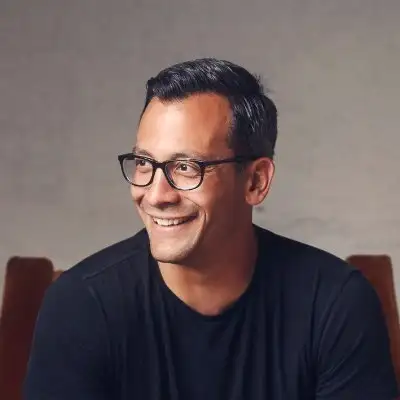
[73] Taylor Pearson on The End of Jobs
This is Bootstrap Web, episode number 73. This is the podcast for you, the founder who learns by doing as you bootstrap your business online. Today, we have a very special guest, Taylor Pearson. He's coming out with a new book, The End of Jobs. I think this is gonna be a really interesting conversation about the, existential reality that we all deal with right now.
Jordan Gal:As always, I'm Jordan.
Brian Casel:And I'm Brian. Hey, if you host a podcast
Jordan Gal:and the
Brian Casel:editing and production work is taking up all of your time and energy and you just wanna focus on creating, then you've gotta head over to podcastmotor.com. They're our sponsor today and they offer complete podcast editing and production service. So here's how it works. Basically, just hit record and record your episode, and then Podcast Motor will edit all the audio. They'll listen to your content, and so they'll edit it for all the content and take out the ums and the and the pauses and all that.
Brian Casel:They do complete audio engineering, get it sounding great. They write the detailed show notes. They'll actually listen and get all the links in there in your blog post. They'll create custom artwork. They'll publish the episode.
Brian Casel:They'll they'll sync up the music, get it all sounding great and polished like a real professional podcast. We actually use Podcast Motor here on Bootstrap Web. We highly recommend them, they've been doing a fantastic job. So if you're interested in this, head over to podcastmotor.com, tell them that Bootstrap Web sent you there, and they'll hook you up. Definitely looking forward to this.
Brian Casel:And, Taylor, welcome to the show.
Speaker 3:Thank you very much for having me on. I'm, excited to be here.
Brian Casel:Cool. So, you know, we we've heard you a couple times on the Tropical MBA podcast, you know, working with Dan and Ian. And so, I mean, know, let's let's kinda get into your your backstory or or why don't you tell us what are you up to today, and then we'll kinda go back and do a bit of a backstory on you.
Speaker 3:So these days, I am a b to b e commerce marketing consultant. That's been my main thing over the last twelve months. And then a big focus of my energy over the last six to nine months has been writing this book we're talking about today. And so to rewind and talk a little bit about how I got here, I grew up in Memphis, Tennessee, went to college in Birmingham, and had a study abroad experience when I was there in Argentina, and was all set to be a lawyer. And came back from that experience, was like, oh my god, I do not want to be a lawyer.
Speaker 3:I do not want spend the rest of my life living in suburban Memphis, Tennessee. And so
Brian Casel:You know, actually, I I just have a quick question right there. Yeah. You know, because we've been talking about entrepreneurship and and and how we became entrepreneurs. Jordan and I were actually talking about this in our mastermind group earlier today, coincidentally. That at that time, going to law school or even before that, did you have in your mind that, you know, someday you would become an entrepreneur?
Brian Casel:Or or was it, like, not even an option yet?
Jordan Gal:Right. Is it in the family? Is it, like, bound to happen or out of nowhere?
Speaker 3:It could not have been any less probable. I didn't even know I mean, I I obviously had heard the word before, but my family is all in healthcare, which is the least entrepreneurial industry ever. Like, it was just regulations and government, like China companies. They're predicting now it's gonna be disrupted or whatever, but for the past fifty years has been very non entrepreneurial. Yeah.
Speaker 3:And so, for me, it didn't start out as I wanted to be an entrepreneur, I wanted more freedom. It's kind of like the short and almost cliche thing to say, but I felt and I think a lot of people feel this, like there's a certain sense of opportunity in our generation that's not quite satisfied by what you call like traditional career scripts. Whether that's like law school or medical school or an MBA, it just doesn't feel like that's the real opportunity for our generation. And I kind of, I think I felt that for a long time, but I didn't know I didn't know how to express that, like I didn't know what that what that really was.
Brian Casel:Yeah. I I can definitely relate to that myself because I like coming growing up, I never really thought like, oh, someday I'm gonna start a business. I never really had that dream. Even though it does kinda run-in my family, my both my grandfathers were business owners and everything. But it wasn't until like you, I I found that drive to to get some sort of freedom or to, like, remove, I guess, remove the boss, basically, and and and do my own thing.
Brian Casel:And that happened when I was working at a at a web agency doing web design, and then it was like, oh, I can be a freelancer at this. I didn't even know that that was an option until, you know, a couple years into it. So it's just funny how, like, these things just present themselves and how it seems or it actually is a lot easier and more accessible today. I guess that's a lot of what you're what you're writing about.
Speaker 3:It is. And that was yeah. It's funny like you talk to people and there's so many like overlapping scripts. Like, the number of friends I have that worked at a web agency at one point is like, you know, it's like something like once you get the internet, you're like, oh god. This changes everything.
Brian Casel:Like any idea, can just make a website, you know, it's like that. It's like Yeah.
Jordan Gal:And that might be part of it. That might be part of the reason that we see so much opportunity. Once you get into the web and start to look around and it is just absurd, the number of different things and areas and niches and business models. I mean, people make money and live their lives in an infinite number of ways, but that's not really the norm offline. So I I wonder if people who are just into the Internet and work in agency, once you you get a look at that, that kinda opens up your mind to, woah, what's possible for me?
Jordan Gal:I have a everyone has a place in this giant thing. It's not limited. Whereas if if you don't come across that and you get into law and you get into medicine or whatever, you you really you don't view opportunity quite the same way as other people who are kind of drenched and soaked in in the Internet.
Brian Casel:Yeah. But, you know, Taylor, so so from there, like, how did you get into business and and doing your own thing?
Speaker 3:So, you know, once I I kinda crossed this thing, I was like, I I can't be a lawyer. I had no idea what to do and so I decided to become an interpreter. I spoke Spanish at the time and I thought, well, like, you know, if I speak Spanish, I can go live in some country that speaks Spanish or work as an interpreter. And so, I took night classes, I got certified as an interpreter and I was freelance interpreting. I was living in my parents basement, like driving around the freelance interpreting gigs in Memphis, Tennessee.
Speaker 3:And I got about like three months into this and I was like, this is not the answer. And ran into a guy, I was a friend of a friend from interpreting. He had an English school in Brazil and so I hopped ship and went down and started teaching English. And while I was teaching English, I read this book called The four Hour Workweek, which you may have heard
Nathan Barry:of. Mhmm.
Speaker 3:And that was kind of like my moment. Well, all of sudden, I was like, wait, if I can get people to pay me money on the internet, like, I can do anything. Like, I can live anywhere. I can, like, do all I can all the freedom became very legible at that point for me.
Jordan Gal:And and that's what that's what that book really did. It it gave a lot of people a glimpse into what was possible. And I think that's why it had such an effect that people still talk about it. I mean, it was ten years later at this point, isn't it? Something like that.
Speaker 3:Yeah. Yeah. Think 2007, he wrote it?
Jordan Gal:Yeah. So almost almost a decade ago. But it was really the first time for a lot of people. Even if they kinda had a sense that all this stuff was possible, they they saw it on paper and that that that kinda opened people's eyes.
Brian Casel:Yeah. I remember reading that. And and I at the time, I was doing client work as a freelance web designer, and I was still in the mindset of, like, well, it's just client work and that's all there is. And even even after a couple of years of doing client work, it was like, oh, products. You could do products and and, you know, it's and I think I think that book had a played a huge role in in that for sure.
Jordan Gal:So you're in Brazil when when you read that?
Speaker 3:I was. And so I was teaching classes in the morning and evening, and then in the middle of day, I heard about this stuff called AdSense. And I was like, well, if you can build websites and put ads on them and get traffic to them, you can make money on AdSense. And so, I started building. This was like in the the height of the AdSense boom, this was like 2011 maybe, when there was like an amazing AdSense arbitrage and you could gain SEO and all this stuff.
Speaker 3:So I did that and it worked. And you know, I kinda sort of like the first dollar I made. I I think I bought like a I made like a dollar or 6 on a click on ads. So I was like, this internet money stuff is real. You could do this.
Speaker 3:Yeah. And so kinda scaled that up a little bit while I was in Brazil and moved back. I got kicked out of Brazil for visa reasons and started to scale that up and it totally crashed. It was a total arbitrage business. There was like no real asset there.
Speaker 3:And so, all of a sudden, I had this experience and I went to work at a web agency. You know, I I cold called a bunch of web agencies in Memphis and said, hey, I know how SEO works, I know how WordPress works. And spent about six months in the web agency
Brian Casel:And what what year was this when when you got into
Speaker 3:This was in 2012.
Brian Casel:Okay. Gotcha.
Speaker 3:Yeah. So I was a project manager there for about six months, not long. And that was when I hooked up with Dan and Ian from the Tropical MBA. And I think as you guys know, they run a podcast and a membership community for entrepreneurs and then they also have a physical product business where they manufacture in China and they sell B2B hospitality equipment, portable bars and valet parking equipment, which is the the least Internet marketing business ever. But
Brian Casel:How did you how did you connect with them? You're you're working at a web agency in Tennessee. Or did they were they working with that agency or or did you just like reach out
Jordan Gal:to It's them fine you it's fine if you stole them as a client. Statute of limitations. Thanks, we passed.
Speaker 3:Let me try and check that contract. Yeah. I've been listening to podcasts. After I read the four hour work week, I was like, you know, well, this is cool, but I think his recommendation at that point was like, sit down and write down five info products and then make one in two weeks and then sit down or try to do it and you'll be rich in six months. And I was like, don't think that'll work because like that doesn't make sense.
Speaker 3:So I, you know, I started poker on the internet and ran across their stuff and ended up actually applying for the job. I took a a pay cut when I went to work for them initially. And I think for a lot of the reasons we're just talking about which is the opportunity felt a lot bigger to me. The web agency wasn't super ambitious and there wasn't a lot of opportunity to move up. I had lots of ideas on how to grow the web agency like, you know, we had all these industry verticals we could specialize in and all these things and the owner wasn't really interested, he was just kinda chugging along and I wanted to go somewhere that ambition would be a little more applicable.
Speaker 3:And that was how I ended up managing their marketing for almost two years.
Jordan Gal:Did did you apply to one of the jobs that they like posted on their site?
Speaker 3:I did. I was I was, like, I think I was number eight. They had, like, a series of internships that eventually jobs. Came And I was, yeah, was, like, number seven or eight.
Brian Casel:Very cool. And did you go out there to Asia and work with them, or was this from The US?
Speaker 3:I did. So I lived in I lived in Asia for two years, was running the marketing from Asia for two years and eventually came back and started doing sales and marketing for a product business. And then we also launched a software business for Valley Parking. I ran sales, customer development, product development from San Diego for that business. Nice.
Speaker 3:Doing sales from Asia is not fun.
Jordan Gal:Right. And I I wanna I wanna touch on that when we, you know, we're gonna transition in a minute to to talk about the book you're writing. I I can't help but think that two years in Asia, right, some some time in South America and then two years in Asia, these these things have an effect on your outlook in the world and what's possible, how much opportunity is out there. If you if you stay the same town, right, if you had never left Memphis, you just would not have the same mindset, you know, in terms of opportunity and what's possible and how big the world is. But but traveling has to be part of that mix.
Speaker 3:Yeah. I think dramatically and I think what's cool about these kind of podcasts is it's so much easier to connect with people now. I think a lot about how to get down to fundamental principles. A lot of the book is about how do you get down to the fundamental principles of what's going on right now and how to be strategic about that. And, the one thing that always comes back for me is the people you surround yourself with.
Speaker 3:And, to be able to go somewhere and surround yourself with people that are trying to do entrepreneurial stuff, that are running businesses, I think that's message such a huge leverage point.
Jordan Gal:Right. And you felt that itch at the agency that wasn't ambitious.
Speaker 3:Yeah. It's And that's
Jordan Gal:You stay, that's that's the level you'll stay at.
Speaker 3:And location matters, you know, like Memphis, Tennessee is not a super entrepreneurial city, which is not to say you couldn't run and grow a business, but even like, you know, we had talked about doing at the agency a software product, but it was so like the ecosystem that was so underdeveloped. That was really hard to find angel funding or to find technical partners and all those that like, those are just really tough to find. Yeah.
Brian Casel:And I mean, that's like you said, I mean, that that's what I love about podcasts is that it it does form this kind of community. Even if you're on your own working solo, in you like a home office or whatever from from wherever you are, it's a it's a way to stay connected with what people are working on right now, being entrepreneurial, doing their own thing, and getting kinda tapped into that. Of course, you know, networking in person and getting into these hubs of of entrepreneurial, you know, minded people is kinda taking that to the next level. What what are, like, the key key lessons and key takeaways or or big changes for you that happened during your time, you know, kind of working with Dan and Ian, but but just being in that in that area out out in Asia, like, around these kinda you know, getting into the environment that you wanted to get into?
Speaker 3:I think Asia specifically was and still is really inspiring to me because, like, I had this romanticized notion of different places have like different trajectories and there's like these like magical moments. So like, New York in the nineties or Paris in the twenties and there's like, you know, so Asia kinda feels like that spot right now a lot of ways. I think Asia will probably be place to be in the early twenty first century, know, like if we look back a 100 years. So I think that was very inspiring to me. In terms of the community specifically there, I think one thing that's kind of under talked about in a sense because it's difficult to talk about is how much of entrepreneurship and becoming an entrepreneur is mindset.
Speaker 3:It's not like necessarily marketing tactics or, you know, business model structure, but just like changing your outlook on how you see the world and being able to surround myself, you know. Remember this like magical moment, it was like the second week I was there and I was like used to hanging out with my friends in pool bars and talking about the NBA, which is great. But I remember sitting there, there was like three other entrepreneurs you know, they were talking about like it was like Hitler, like, if Hitler had had AI, like, what were the implications of that? And I was like, people talk about this stuff? Like, this is so cool.
Speaker 3:And just being able to be a part of those conversations, I think was a huge mindset shift for me.
Jordan Gal:Yeah. I I think we take it for granted. We we look around a lot of the people that we work with are other entrepreneurs and it's just assumed that we all have mostly the same mindset. Everyone's different in their own way but we've our minds have kinda cracked open. We took the blue pill.
Jordan Gal:We're all kind of on the same team dealing with the same realities.
Brian Casel:Yeah. We've kind of like accepted a certain certain path even if we're doing it in different ways. It's
Jordan Gal:Right. People know what's possible. They know what their limits are. They know what what success is for them. They know what freedom that they're going for.
Jordan Gal:So all this combined. Right? Your your your history, you get out to Asia. How you know, let's get into the into the book. How do you end up deciding, I'm gonna spend a whole bunch of my time focusing on on on this book, like, what what brings you there?
Speaker 3:I guess, basic like a small digital marketing agency for maybe six months last year and I still do some stuff with that, but that was kind of my focus. I was working on building out this agency, I was actually focusing on private medicine physicians. So, there's a kind of a growing industry in The US of doctors that are getting out of the insurance system in the private medicine. And I had some knowledge of that ecosystem because my parents were all in healthcare, my sister and my brother-in-law were both in healthcare. And went to a conference in Bangkok last October and kind of had this blog that I've been puddling around with, like, you know, semi seriously for a couple years.
Speaker 3:And a bunch of people walked up and they're like, that blogs are really good. Like, that's probably a bigger opportunity for you than this, like, marketing agency. I was like, oh, really? And I I, you know, the first question that I was like, well, you don't really understand what's going on and a couple more people said it to me. I was like, yeah, maybe I should, you know, like, get over myself and actually listen to people.
Brian Casel:Is this your blog at at taylorpearson.me?
Speaker 3:Or Yes.
Jordan Gal:Cool. Yeah. It is good.
Brian Casel:Oh, it's great.
Jordan Gal:Yeah. And it's one of the reasons I was so excited about our conversation because you you talk about some, like, intellectual ideas, the diversification of I mean, help help me out. I forget the title. Right? Like, the commoditization of creativity.
Brian Casel:Yeah. Some of these recent articles I've I've been catching are awesome.
Jordan Gal:Right. Great articles and it's it's it's idea based, but then you also get down and dirty about, like, this is how we did this tactic. Remember I reading a a post by you about what you did at a at a conference? At a
Speaker 3:Trade show.
Jordan Gal:Yeah. Trade show. Right. Like that is tactical all the way down and dirty at the ground level, but then at the same time, you you talk all the way up top about about ideas. So that's why I was interested in this and and, you know, so keep going.
Jordan Gal:So you you get to this this thing in in Bangkok and that starts to trigger, maybe you should take it more seriously, the the writing and and the personal side of things.
Speaker 3:Yeah. And so I'm I'm sitting at breakfast Wednesday morning after the conference, and we're kinda having this conversation about the conference was 300 people, it was all entrepreneurs, and there was kind of people that had built businesses where they could show up to Bangkok, Thailand for a week and hang out with bunch of entrepreneurs and that's nice, very atypical. If you try to explain to someone like, how do you build a business or how is it possible even to do something where know, you can run your business from Thailand or you can leave someone in charge of your business. Like, these are all very difficult concepts to explain to someone and no one no one ever really articulates why. Like, I was reading a book from Darren Hardy, he's the Success Magazine guy, he's like very motivational, inspirational.
Speaker 3:And I was reading this like two or three weeks ago, I've already invested like 5 100 of the book and I get to this point in the book and he's saying, you know, I'm the publisher of Success Magazine and I see what's going on and I'm gonna tell you what's going on right now. And I'm like, oh my god, he wrote my book. So he published it about the four year old book and then he goes, this is it. Go. And then he jumps into, chapter one is like sales.
Speaker 3:And I'm like, wait, you didn't say what's going on. Like, you totally skipped the whole part about what was going on. And that was the conversation we had in in Bangkok, which is no one's really articulated what's going on right now. Like, how is this possible? Is this, like, some weird fringe anomaly or is it kind of the start of a trend?
Speaker 3:And so that's that's what the kind of the why behind the book was is, there is this movement that, you know, we all see as people that are inside of it, but it's very hard to articulate to other people. And I think sometimes like we doubt ourselves. I know I shouldn't have done like, is this, you know, is this Internet thing for real? Like, is this really, you know?
Brian Casel:Well, yeah. I mean, it's like how does this how does this fit into into history and technological changes and economic changes really impacting start ups and entrepreneurship? And I think there's a misconception out there that just about there are few misconceptions. Mean one is just that it's only about computers and, like, the the fear of computers and technology when things are way more accessible than they've ever been. There's also the idea that it's that it's just about digital nomadism as well.
Brian Casel:Right? Like, there there's a lot of that, but there there are plenty of guys like like Jordan and I were, like, married with with kids living in the suburbs or at least I'm in the suburbs over here, like, you know, still running businesses and plan to, you know, my whole life. So it and there are plenty of guys doing that. And and it's, you know, there there is that sense of security even though we're we're owning our own business and building our own thing.
Jordan Gal:Yeah. It is a strange thing. I I am trying to extract millions of dollars from the screen that I look at, it it is it is a is a at least now it's more common and now it's more accepted than it was ten years ago, but it still makes you doubt. Is is this okay. What percentage of the economy is doing this?
Jordan Gal:And is that going to realistically grow? You know, what what's the cap on that? There there is a cap. There's you know, food needs to get made and things need to get built and roads need to be done and so there is a very large element of the physical world that we kind of ignore. Yeah.
Jordan Gal:So what's the what's the the thesis, the the argument that you tried to articulate in in the book? What what is happening now?
Speaker 3:So the the one sense summary be basically that we've crossed a point with technology and globalization where the leverage points have changed and that entrepreneurship is now the safer, more accessible, more profitable option compared to jobs and traditional life scripts which have gotten more competitive and less profitable. That, you know, for macroeconomic reasons, not and I think a lot of this stuff gets a lot of this stuff gets drowned out in, like, the follow your passion talk and what I felt was really missing in the market and what I wanted to articulate to people that I I couldn't articulate to friends or family and in some ways couldn't articulate to myself was it's a it's a smart decision financially. It's a smart decision in terms of the leverage and control it gives you of your own life.
Jordan Gal:Right. That entrepreneurship is not the risky path that you're hoping for big reward, that the argument can be made that going out on your own, even though it's it's definitely not a guaranteed way to make a lot of money, it it can be argued that it's a safer path that that gives you more control than than going the corporate ladder route and not not not having control of your own fate.
Speaker 3:And yeah, I think one of the things we're starting to see and people are really starting to feel more and more and I think the two thousand eight crash probably accelerated this. Two main forces, I think globalization and the internet are making it so that traditional safe careers and I pick on accountants a lot in the book because I have a few friends that are accountants, I kinda know the industry. There's this perception of those things as being safe.
Brian Casel:Right.
Speaker 3:And that perception is very much based on historical view of the world because it very reasonably like that has been a very, you know, safe choice. If you became an accountant in the nineteen fifties, like you're gonna make a good income and that was gonna be very stable. And I think a lot of people are making that same decision today. And you could say this, you know, the same is true of doctors, the same is true of lawyers, the same is true of many people I know in in corporate positions that they make the argument that it's safe. And I think that argument ignores the idea that the role that technology and specifically the internet is gonna play.
Speaker 3:That if you're living in an ecosystem where things are changing faster and faster, and they are and you can like look at all these statistics about, I think like in 1950, the average company was on the S and P 500 for seventy three years and now it's twenty two years and they're projecting it's gonna be like twelve years, like industries are turning over faster and faster, companies are turning over faster and faster.
Nathan Barry:And the
Speaker 3:people that thrive in that environment are people that are very adaptable, people that are very resilient, and people that have entrepreneurial skill sets.
Brian Casel:Yeah. And there are so many, you you talk about startups and entrepreneurship, people see that as such a high risk path. But it's actually more accessible and less risky than it's ever been. But then on that flip side, the path of of becoming an employee and working up the corporate ladder, there's much more risk today than than there has been. And there are so many forces that are out of your control as as an employee.
Brian Casel:I mean, you know, manager's a decision to to lay off a whole a whole floor of of a of a company or internal politics, you know, the you know, like, kind of the you know, that can kind of kick you out of your position or, you know, and that sort of thing. It's like there are all these things that I mean, these days you see employee turnover is, you know, happening so much faster than it than it's been. Like, the the idea of staying in one position for ten, fifteen, twenty years is no. You know?
Jordan Gal:Yeah. But it still it still feels safer. Someone else is writing you a check direct deposit into your account. Someone else is handling your your health insurance. There's a building that you park at and you walk into and everything, the lights are on and people are at work and it just currently, the way we grew up, those remnants are still very strong.
Jordan Gal:We still look at that as that's safer.
Brian Casel:Yeah. And and I think a lot of that that feeling of it being safe is is just very short term thinking. Right? Because you're you're you're looking at that. It's like, okay.
Brian Casel:I know where my salary is coming from this month. I know how the bills are getting paid this month and next month. And for the year, okay. Things are looking okay, I think. And you look at entrepreneurship and it's I don't know how it's gonna happen this month, but I, you know, so I it's it's the long term or medium term really that's that's a little more risky when you look at that.
Brian Casel:So it's
Speaker 3:Yeah. Think one of the one
Nathan Barry:of the ideas I talk about in the book,
Speaker 3:a big influence on my thinking has been Nassim Taleb. He's the author of Antifragile and the Black Swan and fooled by randomness. But one of the ideas he talks about, he calls the turkey problem. So, if you look at a turkey, the story of its life is that every day things get better and better. So you're in the turkey pen and the butcher comes out and he feeds you, and so, this is good.
Speaker 3:Know, the butcher feeds me, just kinda hang on the turkey pen and the next day he comes out and feeds you and that goes on every single day, right, Until the day before thanksgiving and everything goes off a cliff, right? So you're based on this like historical record of every day until the day before thanksgiving, everything in that turkey's world view indicates that things are only getting better and that everything is safe and that nothing's gonna happen until he falls off a cliff. You know, the butcher walks out with the hatchet instead of the food. And I think because there are so many roles which have been traditionally safe for fifty years or a hundred years, there's a lot of people that are in that same turkey problem scenario where I've been getting this paycheck for ten years and so everything about my worldview and everything about my experience indicates very like, very rationally and very logically that it's gonna keep coming two weeks from now and technology changes that, right? Like industries don't change slowly now, they change very very quickly.
Speaker 3:And you know, someone could be in a position that gets turned into a SaaS app. Yeah. And they've got, you know, two more a mortgage and three kids and all these bills and all a sudden their skill set just became obsolete.
Jordan Gal:Yeah. Yeah. I I like that. That's a strong analogy. You know, it it makes people realize like, you know, it's not just lose your job.
Jordan Gal:Losing your job is not that far off from losing your head depending on what stage of life you're at. It's it is is serious thing and something worth thinking about and avoiding. So what would you say to the argument that entrepreneurship isn't for everyone? That that there's only, you know, a small strata of human that is going to be interested in entrepreneurship or built for it or raised with it or whatever you wanna say. Is that bias?
Jordan Gal:Is that just looking at the world as it currently is? You know, what what do you say to that outlook when you are some people meant to be employees? That's like a horrible thing to say.
Speaker 3:Well, it's funny to write the point where that is a horrible thing to say.
Jordan Gal:It does it sounds bad. It Right? I'm uncomfortable I'm uncomfortable saying that as a fact. That's like Yeah. That doesn't sound right.
Speaker 3:My my personal belief is I think human beings are inherently creative and striving and want to do things and that a lot of the educational system and system that was built up as a result of the industrial revolution, it was very profitable to train people to become cogs because in an industrial society, have to have cogs. And maybe cogs is like too emotionally charged of a word, but like, you need people that are told what to do, like middle management in an industrial society is like a very important role. But we're moving out of that, you know, that society. Like, you look at all these companies that are just getting rid of middle management like, you know, Uber and the taxi industry is the obvious example. Like Yeah.
Speaker 3:You don't need people. Yeah. Airbnb
Jordan Gal:Unbelievable. Yeah. You used to look look at a city. Right? You think about Portland where I live.
Jordan Gal:You used to look at that as a developer or someone in the in the hotel industry and say, x number of people, x number of people visiting, this is how many rooms the city needs. And then Airbnb comes along and obliterates that math. Just changes the whole thing forever. And and and that happens all the time now.
Brian Casel:You know, but like going going back to the the question of mindset, I think I think this kind of plays into to Jordan's question a little bit. I mean, we we know that there's a certain mindset that 's required to run to start and run a business. And that's I mean, like this planning. I mean, just for example, I'm constantly thinking about my business. I go home at night, I'm thinking about it.
Brian Casel:I wake up in the morning, I'm thinking about it, I'm working on stuff. If I remember a few years back when I was working at at the job at the wage at the web agency, I think the thing that I loved most about that job was just the fact that when I leave around five, 6PM, I'm free. I I can I can do my own thing and and there's this there's a certain there's something to be said for that comfort, you know? And and it's not to say that that my job was meaningless there. I was doing pretty good pretty good work, pretty interesting meaningful work, but I had the the comfort and security of knowing that I'm getting paid, I'm doing something interesting, and I can go home at nights on the weekends and do my own thing.
Brian Casel:Is there something to be said for that or or or how do we reconcile that with with this idea?
Speaker 3:I think there's definitely something to be said for that. And I think, like, it's like popular I kinda define jobs in the book as someone that follows order. I think like Seth Godin's definition from linchpin is like really applicable if you've read that book. You know, like if you can make stuff happen, it doesn't matter. If you're on someone's payroll, like it doesn't matter.
Speaker 3:Like really impeccably talented people that wanna be on a steady paycheck are gonna be fine. Like, that's not gonna be an issue. The other two things I would say to that are, one, in in a sense, I don't think it I don't think it matters. Like, when the when Uber took over the taxi industry, like, the fact that it some people like being taxi, you know, the whoever like the switchboard tax checkers, like, it doesn't matter, like, the job's gone, like, the industry's been overthrown, like, it doesn't really matter what you want, like, you know, when an industry gets eaten, it gets eaten and like, you know, if you wanted to be a farmer and, you know, farming got overtaken by industrial agriculture, like, you know, tough luck, like, it's it's over. Yeah.
Speaker 3:But I do think we're gonna see a lot of right now, it's kind of like a yes or no thing. There's not a lot of like middle steps from employee to entrepreneurship. I kind of went through one of those middle steps, I kind of had this apprenticeship phase where I worked in a small entrepreneurial company and I got a lot of autonomy and freedom and if I wanted to go start a new product line or I wanted to go start a new marketing campaign, I could do some of those middle area activities. And I think there's gonna be a lot more of that in the future, like spin off companies and you see like Agora Publishing is one of these companies where they have employees, they'll say, they're an information publishing company. You know, I wanna go start a new newsletter division on Mongolian bonds or whatever.
Speaker 3:And you take a 50% revenue share in that and you have Agora manage the back end. So I think there should be a lot of those kind of arrangements or like equity grants. Maybe there's gonna be some like middle paths in there.
Jordan Gal:Yeah. I I like I like that idea. The the thing about what what Brian was saying that that opiate that like 05:00 comes, go hang out and I have a beer with my buddies and I don't need to think about work. That's correct me if I'm wrong, but that that sounds like a recent phenomenon. You think a hundred, two hundred years ago, which is, you know, nothing in in history, people didn't have that direct deposit walk out at five, like, you need to farm the land or it's not gonna grow and you're gonna starve.
Jordan Gal:You know, so maybe the norm is fending for yourself and being creative and striving. And it's it's the industrial revolution the past hundred and fifty years that allowed for that. Hey, we're the guys in control. We own the factory. What do we need to do to put in place a system where we have hundreds and thousands of people working for us and we can keep them nice and satisfied while they do that?
Jordan Gal:Right? That sounds like a recent phenomenon and and Yeah. What it makes me think of in in in modern times, and I I love how we're just dancing around politics here. Right? And and not not Democrat, Republican politics.
Jordan Gal:I'm talking about like the state and like where it falls. Right? One of the huge hurdles both real and in mindset to entrepreneurship is what you have to deal with with the state to get in business. You health insurance. Right?
Jordan Gal:The the people and the companies who need the most help get the least when it comes to health insurance. That which is a big deal because, look, you got a family, like, you need you need you need health insurance.
Brian Casel:Yeah. And these issues are, like, US only, you know, for
Jordan Gal:Oh. Well, I mean, to to
Brian Casel:extent Worse in The US. Right?
Jordan Gal:Right. Everyone has their own their own issues. Yeah. But but the paperwork, the the difficulty to transition into your own business and what that entails, it just shouldn't be what it is right now. And if if that was smoothed out, I can see a lot of these middle ground type endeavors happening more and people making the transition because it's not it's not pulling, you know, the the platform out from under you and have it have an offend for yourself immediately.
Jordan Gal:It's it's it can look a lot different. The the stuff I deal with with I'm in the state of Oregon. The company is a c corp in Delaware. I have my s corp in Connecticut. Like sales and use filings in the state.
Jordan Gal:It's it's it's unreasonable. It it doesn't make any sense.
Brian Casel:That's craziness.
Jordan Gal:So it's these are all factors that are put in place that can be changed. And and and the mindset three hundred years ago can be reintroduced as the dependence on, you know, a large number of employees to to benefit people who who are the owners. Let's let's get a little calm Karl Marx on it. You know, that that system doesn't need to be there.
Speaker 3:Yeah. I think Karl Marx is a great example because
Jordan Gal:Yeah. We got there. Nice.
Speaker 3:Well, you know, thing is Marx was right in the sense that people wanna own the tools of production and they'll find a way. It was Right. Instead of doing it through communism, like, just got the Internet and laptops. Right? It's like, everyone owns the tools of production.
Speaker 3:It's just like, yeah, got an Apple and I got a $40 Internet connection. Like, welcome to the tools of production. Right.
Jordan Gal:First time I've ever felt like a Marxist and been proud of it.
Brian Casel:You know, so I mean, Tyler, what what would you say is the transition? How how do we transition from or are we now seeing this transition, you know, out of this old old model and and into a a more realistic model of of today of where people are are becoming more entrepreneurial? I mean, in in my view, I think a a big piece is is the education, whether it's formal education, like, in in university or or earlier than that in in elementary up through high school or and then into, like, apprenticeships and and learning to learning to have that entrepreneurial mindset and the tools necessary to build something from scratch. I mean, how are we gonna transition mass you know, huge populations of people to change that type of thinking?
Speaker 3:Yeah. I guess my answer to that is I don't feel qualified to answer that question. I think on an individual level, there's kind of two scripts that I talk about in the book that are, at least in our community, emerging is pretty clear. I think one of those is apprenticeships. You know, if you're in a position that's, you know, a corporate job or you're somewhere where you can't be entrepreneurial, going to work for a small entrepreneurial business where you can acquire network of people that are entrepreneurs, you can acquire a skill set around entrepreneurship, you can understand how to run a small business, you know, that's one script.
Speaker 3:And then I think the other script is one that actually Rob Walling, I know you guys are big fans of them as well, has talked about which is stair stepping. And then one of the things the internet has made possible is these like micro businesses that are very cheap to start, very low risk and have potentially very high upside. So it's you know, I I don't know if you can teach entrepreneurship in the customs to like you we are we think about education today, but you can certainly get an entrepreneurial education for pennies on the dollar in terms of, like, what's it cost to set up a WordPress site? Or like, you know, what does it cost to start a product type service? I mean, not nothing.
Speaker 3:You know, it's like, you make the sale and as soon you
Nathan Barry:make the sale, you go on Odesk and you hire
Speaker 3:the contractors and you write the SOP and like, there's no upfront cost to make that happen.
Jordan Gal:Yep. Yeah. But it it takes it takes mindset. It comes back to Yeah. I I I have these conversations regularly.
Jordan Gal:I talked to someone who babysits my kids. She's a phenomenal, like, social worker. She deals with kids that have, like, behavioral issues, ADHD, all these different things. And she's like, Jordan, what the hell do you do? I don't understand.
Jordan Gal:I wanna know more about entrepreneurship. I'm like, you have everything you need right now. What what you do is so valuable to so many parents. Just teach what you know. Just teach them
Speaker 3:Yeah.
Jordan Gal:How to handle a kid with these behavioral issues. And then people will follow you, and then you will offer them something of higher value for money. And it's like, what? I what? I don't understand how that how that works.
Brian Casel:I talked to my brother about, like, the same thing all the time. He he he manages a an organic farm here in Connecticut. He's he's like a farmer by trade, and he knows that stuff inside and out. Like, every time we we hang out, he's he's talking my ear off over, like, you know, organic farming best practices. You know, I'm learning 10 new things every time we talk about it.
Brian Casel:And I'm just tell and and and at the same time, he's like, you know, I'm kinda managing this farm. I don't own the place. It's getting a little boring. It's kinda routine. I I've got all this free time.
Brian Casel:I'm like, dude, you you've gotta be bloggy. You've gotta be teaching this stuff. Yeah. And and, you know, share this knowledge. And it's not just about that.
Brian Casel:It's about building something. You you you wanna, you know, build something from the ground up and and own something. And I know he has that ambition. He just doesn't know where to go with it. And I'm just like, you you have all this expertise and knowledge and experience.
Brian Casel:Share that. Teach it. Yeah. Yeah.
Jordan Gal:So exciting. You know? Like, there really might come a point where that's mainstream. And and your brother knows about that and sees that as a path, and the same thing with with my babysitter. You you know, it's like that that can happen.
Jordan Gal:People used to not understand why you would keep a vlog, and now everyone understands. And Right. It like evolves.
Brian Casel:And it's so it's that education piece. It's people need to become educated about about starting a business and doing your own thing. But I I think a big part of this is people need to embrace themselves as an educator. No matter what you're doing, no matter what your your your trade is, your product or service, you've gotta be teaching. You've gotta be sharing your knowledge and and passing it on to someone.
Brian Casel:And and there is value to that.
Speaker 3:And I think part of what's so cool to me is what's, like what's available to them. And Patrick McKenzie was tweeting about this, like how much easier it is to start today than it was ten years ago. But he's right, like, I was looking over some of your stuff about productized services, that's like, you could get that information for free now. Like, how do you package a service? What is a product like, what does this business model look like?
Speaker 3:And here's five examples. And like, oh my god. Like, this is all amazing.
Jordan Gal:Yeah. All the value was in knowing how to do it before. And everyone hoarded it and kept it to themselves. And now now it's the people who give it away that get they get more value. Yeah.
Jordan Gal:It's it's awesome.
Brian Casel:Yeah. And I mean, I'm even among people in our community of people running their own businesses, it's still, I think, the minority of of people who are actually taking the time to blog on the side of running their businesses. And so, you know, I I mean, Taylor, your your blog, you've you've been writing, you know, really insightful articles. I mean, how did how did that come about? Like, you're working with with Dan and Ian.
Brian Casel:You're doing all these different all these different work. Like, how did you commit to the idea of of taking all that extra time to to write and get these ideas out?
Speaker 3:Yeah. Great. Actually, I was just having a conversation with someone about this. I think because I worked for someone that was basically teaching that had a podcast and they had a podcast and used to blog frequently, now blog infrequently, but still have a podcast that comes out every week. It became like kind of from the inside of the machine, think this is kind of part of the magic of apprenticeships is like you get inside the machine and you see how it works.
Speaker 3:It became the value they got out of that was just, you know, tremendous. And it's like hard to explain to someone like, you know, why should you do this? And I think, you know, I was listening to one of your episodes a couple weeks ago, you said something like, you know, how amazing podcasting is, but by the way, like, you're gonna have to do it for six months before anything interesting happens.
Brian Casel:Right.
Speaker 3:Like, at least six months before you think of the Shepherds are, like, probably twelve to twenty four months. And I think in we've kinda, like, come full circle on this like a direct marketing thing that what was amazing about the internet on the front end was you could like put in a dollar and get back $2, right? Like you see the AdWords and you like put in a dollar and then it comes back, it's like, oh, I got $2.50 back, like put more money into that machine. And that's getting more and more competitive and there's a lot of opportunity in less tangible things. Like, it is hard to track podcasting and blogging and all those things.
Speaker 3:And in a sense, that's why it's good. Like, if there was like really direct ROI, it'd be like way more competitive.
Brian Casel:Yeah. This is something that that I feel like comes up again and again for all of us who have friends and family who are not entrepreneurial, but they start asking a a couple of questions here and there about about possibly starting something or some kind of idea, and you just wanna, like, flood them with information like, oh, you gotta read this. You gotta listen to these podcasts. Like, read this book. Like, oh, check this out and you gotta use that tool.
Brian Casel:Like like, we know all this stuff. Or but, you know, I I think there's this part of that coming back to that mindset thing, there's part of that just a like a hungry curiosity. When like when I wanna start something or build something, it's like, alright. Well, how do I figure this out? Start start Google searching, start looking for references, and and figure out the every piece of of the puzzle.
Brian Casel:And a friend comes to me or a family member comes to me and and and asks, you know, how how do I start a freelance website business or something. It's like, where do I begin? I mean, but like how how are you not curious enough to start, you know, get getting that that hunger and and filling that need? I don't know. It it
Jordan Gal:I I think it's because they want the end result, but not all the stuff that goes in between. Nothing wrong with that. You can't blame them, but
Brian Casel:No. Yeah.
Speaker 3:I I was also frustrated by that question. I tried to solve it by writing a book. Yeah. Yeah. I I think I have a friend actually.
Speaker 3:He he just he was in a corporate job for about two years, quit, and he was, like, doing some Facebook advertising. And, like, his dad is a dentist. He was, like, building his dad a dental website and just got like an apprenticeship with another friend of mine. I think the people I've seen that have made the transition, like it is very hard to lead them in a sense like they just kind of, you kind of say, I think with my friends that have jumped, it's like, they're just kind like looking around, they're like, there's something here. And I think it was the same way with me as like, and that was probably why I ended up in an apprenticeship.
Speaker 3:I didn't have a lot of, I didn't know anyone entrepreneurial when I was growing up. I didn't know anyone entrepreneurial when I was in college. And I was like, yeah, I don't really get this, I feel like there's something there, like, maybe I'll go work for some guys that get it and see what it's all about. And then I I got there and I was like, oh, okay. I get it.
Speaker 3:Like, there's something here.
Brian Casel:Yeah. It's like it's like I wanna share so much and point to these things that I've discovered over time, but it's not really going to do anyone any good unless unless they have the question. Like, I I can't give them the answer unless they have the question first, you know, for for each thing in that path. So
Jordan Gal:what what, you know, what that brings me to is the is the book. Like, what's next? What what's what's your ideal outcome from the book? You you try to, like, let just articulate what's happening? You try to encourage people to to take a certain path?
Jordan Gal:Like, what what what's your ideal for for the book?
Speaker 3:So a big I read a book, it's not very well known. About two years ago, there was a big influence on me. It's called The Fourth Economy. It's guy by a guy named Ron Davis. And I talk about his book in my books and he kinda paints this picture of we move through three economic stages or transitioning to a third.
Speaker 3:So we've gone from agricultural to industrial to knowledge, now we're in this transition from knowledge to entrepreneurial. And then what's holding us back as individuals, what's holding us back as a society is that we're not making this transition very well. And that certainly is, you know, he said that most like and he said a lot of like theoretical things that I saw happening on the ground. He was like, you know, like, you could have employees with revenue shares and like, you could have people take over entrepreneurial divisions and companies like, yeah, it's like, Cody. I can know Cody.
Speaker 3:He's doing like, he's doing that thing. And so, that was very inspiring to me and that was kind of what I wanted to push forward. But I think the argument that's not being made is that entrepreneurship is an intelligent choice and there hasn't been a really rational case. So, that's part of the book is making a rational case and then also giving people some like really clear pads and next steps. Think, you you guys touched on this and I certainly felt the same way as go looking for scripts, right?
Speaker 3:And like the script to be a doctor, the script to be a lawyer is like fairly clear, you know, you get this GPA and you apply to these schools and then you ask the alumni network and, you know, it's not so clear on how to become an entrepreneur and there's lots of great stories about how that's been done and they're just not widely disseminated. And so, like, to get those stories out there and talk about how do you become an apprentice? Like, how do people hire apprentices? If you're running a small business and you wanna bring someone as an apprentice, like, what's the process for that? Or how do you stair step?
Speaker 3:Like, know, what is looking at ways to start new products and why is that possible?
Brian Casel:Very cool.
Speaker 3:So the the ideal outcome for me is I think a lot of people would start to see the world that that we're talking about, the the way we see the world.
Brian Casel:Absolutely. Well, so the book is called The End of Jobs. And where where are you at in this process of writing and and releasing the book? And and, like, where can we go to kind of learn more about it?
Speaker 3:So when when will the show come out?
Brian Casel:Next week.
Speaker 3:Okay. So I'm still in the process of writing the book. The book is gonna be released June 30. You can go to my website, it's taylorpearson.me, and there's a landing page up for the book. It's in the top now.
Speaker 3:I think it's some it's a longer URL, but
Brian Casel:Yeah. We'll we'll get the the link in the show notes for for this episode.
Speaker 3:So I am gonna be doing I'm gonna give away a book away for free for the first five days on Amazon because I do kinda wanna get it out there and that's more important to me. And then I'm gonna be running actually a giveaway for the first two weeks setting up for the book launch. I have 67 favorite books I've read over the past three years on entrepreneurship. I'm gonna be giving those away. So if you wanna hop in and win a bunch of books and get a free copy, you can sign up on that landing page and I'll I'll let you know.
Brian Casel:Very cool.
Jordan Gal:Very cool. Well, we're looking forward to it. I'm I'm definitely interested in in reading the book. I think the conversation was great. Think we can go on for hours.
Jordan Gal:I'm sure we could. If we if we had the time, this stuff is it's interesting to talk about, and it's real. It's happening all around us at all times. But, Taylor, thank you very much for coming on the show.
Speaker 3:Thank you very much for having me. It was a pleasure.
Brian Casel:Yeah. Taylor, this was awesome. Thanks for coming on. And and again, you know, taylorpearson.me is where you can find all that stuff. We'll we'll link it up in the show notes.
Brian Casel:And, yeah, Taylor, we'll talk soon.
Speaker 3:Thank you.
Brian Casel:Take care.

![[73] Taylor Pearson on The End of Jobs](https://img.transistorcdn.com/LDB_Cv9bHAA2vtoSPkZCpkdHPF6fAqfl7PL-PG7_c-M/rs:fill:0:0:1/w:800/h:800/q:60/mb:500000/aHR0cHM6Ly9pbWct/dXBsb2FkLXByb2R1/Y3Rpb24udHJhbnNp/c3Rvci5mbS9jMjkw/MDYxZDQ0MWIxYTUw/NTMzMGI2NTExZWMx/MWQ1Yi5qcGc.webp)