[80] Brecht Palombo on Longterm Travel as an Entrepreneur
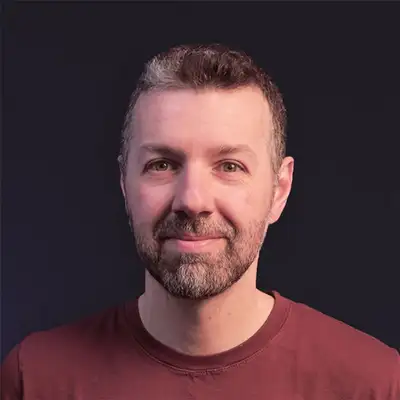
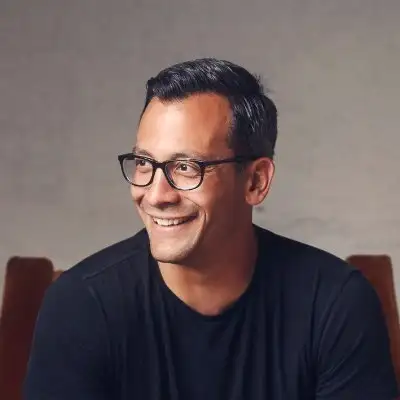
This is Bootstrapped Web episode 80. It is the podcast for you, the founder who learns by doing as you bootstrap your business online. And today, we're welcoming our friend, Brett Palumbo. You may know him from cohost of the Bootstrapped with Kids podcast. And as always, Jordan is on with me as well.
Brian Casel:So today, you know, we're we're gonna talk all about travel, long term travel, working, running a business from the road, traveling with your family long term. It's gonna be really interesting because both Jordan and Brecht have done the long term travel thing. Brecht is actually still kind of in his travels. And, actually, I'm gonna be, heading out on the road as well with my family in in just a couple months. So, I have a lot of questions that I wanna I I wanna pick the brains of these two.
Brian Casel:So it'll be a good one. Welcome. Welcome, fellas.
Speaker 2:Looking forward to it.
Jordan Gal:Yeah. This has been like a long time in the making. Brett and I connected a while back when I was just finishing up and he was just about to start or maybe Last
Speaker 2:October, maybe?
Jordan Gal:Yeah. Long time. Yeah. Like right when you were getting underway. I I heard the I heard your show where you talked about that you're gonna go or had just left.
Jordan Gal:So I emailed you all excited like, hey, I just did exactly that. This is perfect now that Brian is getting set to go also we can kind of do a before, during, after, you know. I'm done. Brett's finishing up, and Brian is is going shortly.
Speaker 2:Love it.
Brian Casel:Yeah. Exactly. So, you know, I thought why don't why don't we kinda start off each of us talk through well, like, Brecht, like, tell us about what what has your last year been like? Like, where where did you go? How how long have you gone?
Brian Casel:And then we'll hear that from Jordan, and then I'll get into, you know, what what we have in mind for our next year.
Speaker 2:Sure. So you want just the facts and the timeline? Or you want me to tell you how we ended up there or where should I go?
Brian Casel:Yeah. Kind of a brief like facts timeline and and where are you at now and and then, you know, we'll get into the details as as we go on.
Speaker 2:Okay. Imagine yourself in Exeter, New Hampshire. It's the dead of winter. Everything's covered in ice. You're crying by your computer.
Speaker 2:You realize that something's got to change. And so, you, you buy, tickets for everybody to go to Austin, Texas to get the hell out of here for a while, and that's what we did. And I've been working on trying to trying to move from the Northeast, just kind of tired of it. I'm, you know, I've given it most of the forty years or forty one now years of my life and, it was just, you know, I was ready for something new. I was really struggling with the winners here and I had some good friends in Austin.
Speaker 2:It's also a startup capital and all that. So I thought, let's go give it a thorough look and decide if we want to go there. So we took the whole crew, which is five. I have three kids that now they're eight, six and two, so they you know, fifteen months younger at the time. We had a great time and it was such a relief to be out of the weather.
Speaker 2:At some point, during the trip, I convinced my wife that we should in fact go somewhere else when, and particularly, Austin at the time. So, we came back and we sort of started talking about it and, as you'll soon find out if you haven't already, Brian, you get a bunch of pushback from people, you know, especially family. And I I don't know if that happens all over, but New England tends to be pretty tight knit and people tend to stay here, at least it seems that way, I got so I got a lot of pushing. And the pushing was, well, how do you know that that's place? The You've only, you you've been there three, four times for a week at a time or whatever, you know, how do you how do you know that?
Speaker 2:And so, that conversation developed to, well, yeah, maybe there are some other places. I lived in Colorado briefly, I liked that. I lived in San Francisco for a while, I liked that. I liked Asheville. Maybe somewhere else was better.
Speaker 2:And so, that turned into, well, why don't we why don't we take a long road trip? It'll take like maybe a month or two to get to Texas, and then we'll we'll just check everything out on our way. And that evolved into, well, if we could do that, then why don't we just go both feet in and just do it until we're done? And have seen, you know, what we need to see and and all that. And so, this conversation that I'm telling you, it's like started mid late March.
Speaker 2:We'd kind of come around to this bigger idea within about thirty to sixty days and then we started preparing to leave about, you know, within a week or two after that. So then by August 20, we were on the road full time having liquidated a lot of stuff and, like, almost everything and and, you know, headed out. So
Brian Casel:So, I mean, like, just to be clear though, you you it started with kind of a a quick flight down to Austin, and then and then a a one or two month plan, but that pretty quickly evolved into a year plus plan to to be on the road, and you guys actually got a an Airstream, and you're driving the like, everywhere.
Speaker 2:Correct. Yeah, that's right. And so, part of the pressure, part of the time pressure was we have kids, so school starts especially in the warmer places late August, something like that. So that means we've got to get somewhere, get established, get them enrolled and get going. Once we were able to get past that and decided that we could do it at least as well, if not better, then everything was, you know, was open.
Speaker 2:That was the only that was really the only thing, you know, we had the business in place with the money and, you know, everything else. They're really the only like kink in the works would be school, and that would be the thing like, limiting factor. And so, we could get our heads around not doing a traditional school thing with the kids, you know, the sky's the limit. There's any we could do whatever we wanted, and so that's kinda how that came about.
Brian Casel:So you've you've basically gone to, like, all over the country at this point, and you're back in Newburyport right now. Where to from here?
Speaker 2:So, yeah. So the the circuit was we we started last August, like I said, took a few months to get down the East Coast and then traveled along the bottom, you know, through Texas and then over to Southern California, then up through California into Oregon, then back down through Idaho and Utah and Colorado, and then kind of beelined it back because no offense Kansas, but this is like, nothing nothing I'm looking to do there. And so now and that was three hundred and fourteen days that we did that. And then, we got back here a couple weeks ago and we're kind of retooling a little bit, like, what are the things that we have that we that we shouldn't that we haven't been using, you know, what else can we purge, what things would we like to do to the Airstream like energy wise and you know, some renovation type stuff and where we're going to go. So, you know, we've got kind of a couple of options out there.
Speaker 2:My favorite one right now is, Oregon. My wife likes some East Coast stuff, so we're kind of sorting through that but the presently
Brian Casel:To be determined.
Speaker 2:Yeah. Presently, the plan is that about two weeks from now, we will get back in and and, and head out for another couple of months till we get to wherever we're gonna be for the winter. The the thing about traveling the way that we have been in the Airstream and all that is the winter is tough because you're you're you gotta be pretty much in the the, you know, Southwest or Florida or else you can really face like some not very pleasant weather. Right. And neither one of those places interest me tremendously.
Speaker 2:I don't I don't I don't have a lot of interest in that. So we want to be off the road by, you know, before winter.
Brian Casel:Gotcha. Cool. So Jordan, why don't you tell us about your your travels that that you went on the last couple of years?
Jordan Gal:Yeah. That it was an interesting exercise listening to Breck there because, I mean, when we started talking and before we started recording, we were just kinda chatting. It felt very much like a party atmosphere and I kinda wish I had like a beer and we were all drinking at our desks. Right? But then listening to breakfast, kind of like an emotional trip back into the decision behind going and then taking the leap and then that family pushback, which is not an easy thing to deal with, and then going and it's it's really feels like an exercise in confronting and overcoming like these mental limits because, right, Brecht had the same issue where his limit was school.
Jordan Gal:We gotta get the kids in school. And and then to get over that as, like, a married couple, you you have to, like, work through it. It's not like one conversation. You, work on it and then there's, a breakthrough and another person says what another person was thinking but was afraid to say, and then all of a sudden you like reach the next place.
Speaker 2:That's really true.
Jordan Gal:Yeah. And our limitations were similar. It's just our lives are a little different. So for us, it was just before we had kids, we thought something like this was more possible. Then we had we had a one year old when we left.
Jordan Gal:So for us, like, the prospect of having a one year old on the road and going to all these different places and not having, like, a stable home situation where the kids see is the same group of friends, that was our limit. And then we kind of confronted that and overcame it. And now I think our now three year old is amazingly adaptable because of what we did. So it's the whole thing is this strange exercise in stretching your assumptions. And because it's uncommon, you have to deal with other people's assumptions being layered onto what you're doing.
Jordan Gal:So they think you're crazy, they think you're selfish. The health insurance industry does not know what to do with you. The auto insurance industry, it's like, it's not set up for you to do this. Yeah. So you have to kinda deal deal with a bunch of stuff.
Jordan Gal:But it like anything else in life, the more you kinda deal with, the more satisfying the the results are.
Brian Casel:Yeah. Yeah. I mean, you know, I definitely wanna get into all of that, especially, like like, the the family and friends kind of pushback and how you break the news and and and all the, know, the logistics that go in and out of this type of thing. But, like, Jordan, what I think is a little bit interesting between you and Breck I mean, Breck, you guys had the Airstream. You've been, like, driving around.
Brian Casel:What's really cool about that is you can basically pick up and go or show up on your own timetable and I mean, obviously, you can't just park that thing any anywhere, but you can, you know
Speaker 2:You'd be surprised though. I mean, there's a there's once you get out of the Northeast, there's really more available than you would ever know. Living like most town almost every town is gonna have one for you that you'd wanna be in.
Brian Casel:Yeah. But I mean, you can still make travel plans, you know, pretty open ended. Where whereas Jordan, what you guys did, you did some driving and some flying around. Right? And and you kinda booked different places in in Airbnb.
Brian Casel:Is that right?
Jordan Gal:Yeah. Yeah. We flew everywhere. So I'll give my my two minute version of because I've mentioned I've described it before. So my two minute version of what we did was we were we were in the New York area for a long time and I hated the winters also.
Jordan Gal:But I think what what drove us more than anything is we we always wanted more adventure and to try something other than the Northeast and we talked about it for years and didn't do it. And we we couldn't find a place that satisfied us. So we ended up going from Manhattan to Brooklyn and then from Brooklyn to Connecticut. And Connecticut is great. We lived in a beach town right on the water.
Jordan Gal:It was like as good as it gets. But it felt like we moved to the burbs a little too early and kinda were missing the social aspect. So that mind I mean, was still in our mind. Trying something else was still in our mind. And for for me, what pushed me over was leaving my family business and going on my own again.
Jordan Gal:Right? I I did the e commerce thing and sold that company and then went back to the family business. And then after about a year of trying that out, we all agreed that it was better off for everyone in the family to kinda go their own way and keep things good before any relationships were affected, all that. So for me, it was like, okay, now I'm no longer tied down to a geographic based family business. The kid's one year old, if I'm gonna do this ever, now is the time to do it.
Jordan Gal:So that was like our, you know, our push. So we went from Connecticut to San Francisco. And what we did is we put all of our stuff in storage in one of those like pack rat, like come to your house, drop it off, you put all your stuff in it, they take it away. And then we did that for the flexibility because then wherever you are in the country, they will just send the trailer. So because we didn't know where we're gonna end up, we needed this like flexibility.
Jordan Gal:So we put everything in storage that way and then flew out to San Francisco and we shipped our car. That's how we did it all over the place. And then from from San Francisco, we we kinda had the same thought. If we're already out here, when's the next chance we're gonna be able to do something like this? So we went to Europe.
Jordan Gal:Yes. We said, when are we gonna get to spend a month in Europe with our kid without any issues and I can still work and make a living? So we went to Berlin for a month. And Berlin really had a huge effect on where we ended up because Berlin is like a giant city that doesn't have the pain that's normally associated with city life. So that's kind of what made us seek out a more urban existence.
Jordan Gal:But New York is like, you need to, like, you know, give your left arm to enjoy New York. You either have to live in a very small place Get away from deal with right. Deal with the garbage. You have to deal with a lot, and Berlin
Brian Casel:was But to me, it was just being completely dependent on, like, public transportation. You you can't have
Jordan Gal:a car. Sometimes.
Speaker 2:You know?
Jordan Gal:Nope. Yeah. So our our trip went San Francisco, Berlin, Denver, Seattle, Portland, and then we were pregnant with our second kid and my wife's parents are in Miami, so we wanted to be close to them while we had the second kid. So we spent six months in Miami, basically three months before the the birth and three months after. And then we knew we weren't gonna stay in Miami because that just doesn't fit our personalities.
Jordan Gal:And so after that is when we came back to Portland. Funny enough, Preck and I are both aimed at at Oregon, and now we've we've been here for for a year. Cool.
Brian Casel:Nice. And so it it sounds to me like both of you guys set out I'm sure there are a bunch of factors, but a big driver was figuring out the place where you'll ultimately settle. And and you'll you'll you'll move somewhere else other than the Northeast. I mean, is that right?
Jordan Gal:Like We call it city interviews. We're, like, interviewing a city for a month. And we, like, go check it out, see what the culture's like, see what the area's like, you know, get out of town on the weekends, get a co working place, go out to restaurants. So that was, our mindset. Brett, I don't know.
Jordan Gal:You guys have more flexibility I guess in when you want to leave a place, so I don't if you had the same approach.
Speaker 2:Yeah. And well, and it took longer to get places too. So, you know, obviously, because we're driving. So I think it started off and it still is a mission to like find the exact right place. At the same time, what I think we've kind of come to is that there is more than one place that we'd like to spend time.
Speaker 2:And so, what we're trying to think about now is how can we arrange things so that we can live like that, so we can sort of be a little more mobile than we've been in the past, where we're not taking like one week vacations or whatever. Maybe we're we're gone for months at a time. Like, maybe we have a single place but we travel periodically for months at a time. And so, we're kind of working through what that would look like and how we would do it and a lot of it comes down to just the size of the place that we're looking at and the expense of carrying and whatnot. You know, if we're going to be in a gigantic place in house court, it's going be really difficult to do.
Speaker 2:If we can be a little more lean, then you can lock it up in Airbnb or or, you know, whatever or if the payment is low enough, you don't, you know, it doesn't matter because I'm not buying a house cash, not making that kind of money yet. So definitely started off that we and we are looking for we are looking for a home base, but as we started traveling more, we thought like, you know, I'd really like to go to Barcelona. We went to Barcelona for a week and for one of the two weeks of our honeymoon. I've loved it. I mean, it's fantastic.
Speaker 2:I'm dying to get back there ever since. There's no reason why I can't go there now and be there for a few months or we I really like the idea of doing like a proper ski season, you know, somewhere in a real ski town where you can be there for, you know, the whole thing and, you know, enjoy that or maybe The Caribbean. I don't think I'd want to live there forever, but I wouldn't mind getting down there for a few months. And so we're starting to think more like that, like how do we how do we do that kind of a thing?
Jordan Gal:Yeah. So wanna hear I wanna hear more about that, honestly. Yeah. Very cool. Because we're we're still kinda feeling trapped in the mindset of, you know, I think it might be like a peer thing or we're just comparing ourselves to our peers too much or, you know, we we want to do that and don't really know how to get it done.
Jordan Gal:The thing that messed with us the most is we were in San Francisco and just, you know, we're in an Airbnb furnished, so just paying so much money in rent. And then we left and went from there to Berlin where we paid less for the flight plus rent plus living expenses for a month was cheaper than just the rent in San Francisco.
Speaker 2:Wow.
Jordan Gal:Right. So that that was like, if you can do that whenever you want, there is no downside to going and living in Berlin. You're not paying anything to go to Berlin.
Speaker 2:As long as you keep your home base expenses, you know, in line.
Brian Casel:Right. Right.
Jordan Gal:Right.
Speaker 2:I think that's the key.
Jordan Gal:Right. And we didn't have any home base expenses. We were just like we we had nothing. All we had was a $175 for our storage trailer.
Speaker 2:Right.
Jordan Gal:And and that's it. We didn't own a house. We weren't paying rent. We weren't doing anything. And, yeah, that sounds like the right way to go where where where you guys are aimed at.
Jordan Gal:And I I don't I don't know I don't know how to get there.
Speaker 2:Well, it hasn't come to fruition yet. So don't I can't give you any secret tips or tricks on how to do it. But this is this is the general direction that we're at.
Brian Casel:But I mean, I I think that that is kind of what drives all three of us, definitely, in my case. So we're not exactly setting out on on a mission to find a new home base. Like, we're not set on the idea that we're not gonna come back to where we live now, Norwalk, Connecticut. Coincidentally, actually, right next door to the town that that Jordan came from in Connecticut.
Jordan Gal:That's right.
Brian Casel:You know, we actually really like living here. I mean, and and our family are here, our friends, and and we like the the area here. But I I think this goes to something that probably all of us can relate to is that doing what we all do for a living. You know, running a business online and being at at a certain point in our lives where this is a possibility, we could kinda get up and we don't have to be tied down to one place right now. I mean, why not?
Brian Casel:Like, why should we be kinda kinda set in one place for the entire year when when we have this kind of energy? I mean, like, right now, that's that's what my wife and I are feeling are that, you know, we're at this point where we we want to start moving, we wanna start traveling more and exploring different places, but we felt a little bit like, well, how do we really do that? And the, you know, five day, one week vacations just aren't exactly cutting it. And And so we're we're at this place now where, you know, we have a one year old. So we're, you know, several years away from her being school age.
Brian Casel:Amy's not not working anymore, so she has that flexibility, and I work from anywhere. So it's like we're kinda just looking for some a little bit of of adventure, a little bit, you know, kinda just changing things up from from month to month. We're probably gonna do something a little bit more along the lines of what what Jordan and his family did in terms of, you know, booking Airbnbs. We are gonna drive around most of the country for the most of the next year. And, so the first year would be, you know, mostly around The US, a couple of months in a in a few different places.
Brian Casel:And then probably as we get into the second year, we'll we'll head internationally. My wife has family in Asia, so we'll be going out there a little bit. And then maybe, you know, Europe, maybe Central America, you know, would that's to be determined, I guess. But that's that's the the idea in a nutshell right now is, you know, who that part of it is like who knows what's gonna happen? Maybe two, three months into this, we're gonna be like, not for us.
Brian Casel:And then we'll we'll figure something out. But, I mean, we're both really, really excited to kinda hit the road and and kinda take it, you know, couple months at a time.
Speaker 2:Yeah. When when we left, the intention was that we'd go until we were satisfied and we didn't have, you know, that there wasn't exactly a time frame on satisfied. We just knew that we didn't want to adhere to any strict timeline on that. And, you know, in the beginning we were one of the things about the flexibility is that in the beginning we were pretty rigid. We had planned thirty and sixty days out, even almost up to ninety days out for for the very beginning.
Speaker 2:We wanna make sure we always knew where we were gonna stay and all this kind of stuff that you would normally you know, you'd worry about as a normal person, where by the end of it, we would literally be at we would get in the vehicle all hooked up, ready to go and be like, where are we going? You know, we knew we'd have a a general direction, but we would leave in the morning without like a clear plan on exactly where we'd be that night. That worked out pretty well. There were a couple times, there's some hiccups with that, but for the for the most part, after we just kinda gotten the flow of it, it worked fine. If you're doing Airbnb, this is gonna be a bit different, but when you're when you're, you know, towing your home, don't don't really matter.
Speaker 2:So
Jordan Gal:Yeah. That that freedom is nice. I mean, Airbnb thing, it it worked for us and it does have its challenges, especially in popular cities at different times of the year. You have to kinda plan that ahead of time.
Brian Casel:Yeah. That's what we're seeing right now. Like, we're we're plan so we're recording here in July. We're actually planning on hitting the road, hopefully, by September. And even the places in in September are pretty close in the calendar to be booking.
Brian Casel:Yeah. You know, like, I I can already tell that things are going, you know.
Jordan Gal:Yeah. And that and that's the tricky thing with the Airbnb version. You have to commit to things that at the time when it actually comes up, you you kinda wish you had more flexibility. Like, we we spent three months in Denver and within two weeks of being there, we knew we didn't wanna stay there. Then we looked back we looked back at Berlin and and wanted to kick ourselves.
Jordan Gal:We wish we would have stayed in Berlin for three months instead of rushing over to to Denver, but you don't have that flexibility.
Speaker 2:That is exactly what happened with us is we we started having some regrets about having booked some things and having to leave prematurely, and then that went both ways. Sometimes we'd be booked at a place and we'd be like, we gotta get out of here. You know? And so yeah. It just definitely happens.
Brian Casel:So, like, early on in in both of your travels, I I mean, I guess that might be one thing is is kind of like over overbooking or overplanning a little bit. But, I mean, was there anything else that comes to mind in terms of, like, things that as you as you gear up to to hit the road and you're making all these plans and you and you have all these expectations, are there anything that, like, you just learned pretty quickly early on, that you couldn't really foresee?
Speaker 2:I I didn't realize how how much the purge of things was going to affect me and how little I'm able to happily operate with from everything from electronics to closed, I mean, you know, you name it, like we liquidated a lot of stuff and I even liquidated stuff while we were on the road, we'd continue to just get rid of things. So I think the simpler and lighter, you can make it probably even much lighter than you're even thinking you can do right now, the better, in my opinion.
Brian Casel:We we've started to purge a bunch and we've already started to put a bunch of things in storage, and even even putting things in storage, I'm most of it, I'm thinking this is way too much, you know. Right. I'd rather just get rid of it,
Speaker 2:but I mean, if it's not sentimental or highly valuable, what if you have it for? If you do end up now, you come back and you decide just move back to Connecticut, that's one thing. If you're going to move your stuff across the country, then the cost of storing and shipping stuff that's just stuff that you'd buy at like whatever, Jordan's, you know, furniture store or whatever. Like, this stuff isn't really important stuff, it's not heirloom stuff, it's not probably anything that you have an attachment to. And so for us, letting that go is just great.
Brian Casel:Yeah. Exactly. And we we, you know, we even have like a bunch of clothes that, you know, we're planning to, you know, have like shipped out to us if we need them at certain places. But but yeah. I mean, I I could see how that how, you know, purging of stuff and and equipment.
Brian Casel:I mean, I have a lot of, like, you know, old, like, music recording and gear and things that I'm just, like, haven't been touching in years. You know, time to just kinda throw it up on eBay.
Speaker 2:Yeah. My thing was if I hadn't touched it in three to six months, like it's out of my life. If I've got something close, you know, close wise, if there's something I haven't worn for a season and it was that seasons, you know, it was time for that, it's gone. And so, it's really it's been great and it makes more room for the other things that are really important or that are really useful. So we've done a lot of that.
Brian Casel:Yeah. So another thing that that's kinda on my mind right now is the business. Having your business at a certain state that it's ready to kinda take on the road. I mean, obviously, all of us run online businesses. Probably most of people listening to this can physically work from anywhere, coffee shops, co working places, work from home.
Speaker 2:Mean, we
Brian Casel:all do that. But at the same time, you know, embarking on traveling like this, I mean, a large point of it, definitely for me, I'm sure for you guys as well, is that you want to work less. Right? You wanna enjoy the places that you're traveling to. And a lot of these days, you'll act you'll physically be traveling.
Brian Casel:So you have to have a business where you can walk away for a couple days at a time, or work very limited hours and the business still runs and and grows and and works for you guys. I mean, did did you guys feel that you have to had that that you had to have your business to a certain state before you were ready to to take a trip?
Jordan Gal:I I would say no. I I don't at least that was not my experience. And I don't think that's a necessity. I could see how it would be better to be in that situation before leaving, but it is certainly not necessary. I launched Cardhook while in Germany.
Jordan Gal:So I went and got my first paying customers while I was in Denver and everything was from total zero from scratch while on the road. So it's it's not necessary. And I think for me, like, I'm telling you, as I'm just listening to you guys, I just keep remembering back to all the assumptions that I used to have that were kind of bulldozed. And now all the assumptions that I'm still holding that I can identify and say, that's bullshit right there. That assumption, that limitation is bullshit.
Jordan Gal:And so I remember in the beginning before leaving, didn't have a business fully up and running and I had some income coming in for a few months and I kind of knew that, but I didn't know anything beyond that. And I just wanted to challenge myself and say, I know it's possible. You know, people listening to this podcast know it's possible to work from anywhere. And so let's see if Jordan has the balls to actually do it. And the challenging thing is when you're on the road, you will make compromises because you'll look at your wife and you'll say, Shit, we are, you know, three hours from Aspen, I'm gonna take Friday off.
Jordan Gal:You should plan to not be able to accomplish or not be able to work the same way as you normally would if you were at home. But that doesn't mean you should put a limit on yourself and say, look, my business is only making $3,000 a month right now. I'm gonna wait till it gets to ten before I leave. You know, the the tension between those two exists and you can confront it and just move forward anyway, just acknowledging that you're gonna have some trouble if your business isn't established. I certainly had trouble and frustration and a lot of days where it's beautiful and sunny outside and I wanna be, you know, out exploring with my kids and wife and instead I'm in a co working place and working on the business.
Speaker 2:I did have a mad dash before I left. I spent last July and August in addition to purging everything and selling all our cars and buying everything else we needed. I was launching the fourth version of my software which is like a it was a major overhaul and I was kind of right in the throes of it, was behind by a couple of months and I did not want to be doing that from the road. So, I I did have a big push before I left and I managed to get, you know, version four out the door before we we left. I worked before we left, we're in the suburb, I'm working just like everybody else, get up, breakfast, work all day, dinner five days a week.
Speaker 2:I think I anticipated that I would have to do something along those lines, but what happened was but just in different places. But what happened was that I started really after we did leave, started really focusing on I would start doing very focused time block work and so, not exactly in the first month or two, but after the first month or two, I really got it down to where I was not working that much. I did have a couple of stints where, like when I was in Austin, it was crappy weather and I launched another product while I was there, worked my ass off for, you know, four or five weeks. I had another stint in Bend, it rained for a couple of weeks, I worked like like mad. But, what I really tried to do was not have the work dictate what how I was spending my time and so I do things like, you know, the first time that I really realized I could do this was at a bunch of stuff, was launching the academy again, which is, you know, some training that I have, and we were going to be in Virginia for one week and my brother one of my brothers is down there and I thought, well, shit, you know, I don't spend the whole week doing this.
Speaker 2:So, you know, I worked from it was like 5PM until 4AM one day and then I didn't work again for a week. And then after I did that and everything went great. After I did that, I really started focusing on my working time being delegation time. So, I'd come in and I'd either work on something that had to be done only by me or I would work on reviewing what has been done by other people and then delegating more work for the week. And so, by doing that, I mean, it cut out a huge amount of the like the actual work time that I would have to do and that started going really well and still going well.
Speaker 2:I don't I don't I'm not working forty hours a week. I had one of my best months ever last month. We've launched all kinds of stuff and it really hasn't meant a lot more time. There are some things that are that have been more difficult like new projects where I've got to think through more stuff and and those things have gone slower. But revenue wise, I'm up on a three month and a six month run rate, I'm up 30% over the previous year and and I've worked, you know, maybe 10 or 20% of the time.
Speaker 2:So I think if you're think about your work a little bit differently and, like, I really had to get out of the mindset of like, Monday through Friday, I'm supposed to be working during these hours. And so even if I'm in Nashville or if I'm in Austin, these are the hours when I work. And once I could get past that and be, like, these are the things I have to get done, totally changed.
Brian Casel:Yeah. You know, I I think this idea of delegation, it no matter where you're we are working from for, you know, even people who are staying in one place for, you know, even doing the the the Monday through Friday, nine to five, working on your business. The idea of delegate like, the more that you can delegate, the better off you're gonna be. And I think most people struggle with that. I certainly have struggled with that for years.
Brian Casel:And in recent years, as I did start to systematize and and delegate more and and grow the team, even even doing things that I would normally have done myself, the business has always been better for it. And I feel like traveling and having these experiences that that you that kind of force you to do that even more, you know, whether like, whether you want to delegate or not, if you're out exploring a new place, you're, you know, you're you're gonna make that choice to spend your time putting people in place and systems in place to allow you to have that that freedom. And it has the benefit of building more, you know, sustainability systems into your business, and that can only be a good thing. I think it's awesome. I think that's that's another thing that's really driving me as I'm get you know, gearing up for this trip.
Brian Casel:Mean, are a lot of reasons, you know, like on my wife's side that like, why why she's excited about it. But, like, for me, one of the huge reasons for me is that I feel like I need to force myself to work less. My businesses are already pretty systematized. I mean, the new one that I'm that I'm working on now is still getting up and running, but I've got a pretty good team in place, and things are coming together nicely there. But but still, like, I I hanging around here in Norwalk, most days, I still feel like the need to just get into the office or open up open up the computer and and because, like, what else do I have to do all day?
Brian Casel:You know? And I feel like, you know, once once we start to to travel long term, I'm gonna have more of an excuse to to focus on working only on the things that truly matter, you know. The the couple of things each week that have to get done, or things that need to pass on need to get passed on to the team to allow me to kind of enjoy my my time a little bit more. And ultimately, at the end of the day, it's I I feel like it's this is how I'm paying myself. It's like why I do what I do for a living.
Brian Casel:And why most of us do what we do for a living is to have this freedom and to be able to do things like this. You know, I I don't friends and family who who who see what I do for a living, like, I I work in startups, I work in software, on the Internet. It's not about building the next Facebook. It's not about, you know, building the next killer app in the App Store. It's it's just about build building a business that that allows us to live a lifestyle that that that we enjoy, and and, you know, it's time to actually do that a little bit.
Brian Casel:I feel like these last few years I've been working my ass off, working a little bit too much, you know.
Speaker 2:Yeah.
Jordan Gal:Yeah. I think that's a good it's a good challenge for you, Brian. I I know I had trouble with it and at some point during the travels, I did have to kinda have the talk with my wife and say, look, I need Monday to Friday nine to five ish or I'm not making the progress that I need to be making. And maybe that's also obviously a factor was that the business was kind of brand new. What I'm curious about, Brecht, is what you think will happen to your habits when you do settle down somewhere?
Jordan Gal:Because I I know for me, I am right back in Monday to Friday night at
Speaker 2:five. Like
Jordan Gal:Right. Right. And it's it's almost it's really these these things are really ingrained. So on the road, you arrive in a new city and you're there for a week and the weekend comes around, you're like, it's Friday at 02:00. I am out of here.
Jordan Gal:But then you settle down, you feel back to normal and Yeah. It's hard it's hard to wrap your mind around that. And I I wish I could and I I hope I still can, but I've had trouble with it.
Speaker 2:So, you know, way I'm thinking about that is, I'm a real outdoor sports guy, I guess that's what I do, like I mountain bike and I like to ski and snowboard and just like a lot of lot of outdoor activities. When I was in Exeter, we were in like a we were in a bedroom community, everybody drives an hour, hour and a half to their jobs close to Boston, comes home, there's classes for the kids every evening, on the weekends there's, you know, bounce house, birthday parties and all that shit. Terrible grind for me, like did not fit well with me at all. And what I've learned sort of as traveling around was that the environment that I'm in really affects what I'm doing. So when I was in Austin for example for a couple of months, I had a co working space there called VUCA, great space to work in, I worked a bunch, I worked all the time and when I was in Asheville, when I was in Southern California, when I was in Utah, I was in Colorado, when I was in Bend, these were destinations where there were things all around me that I'd rather be doing than working and so I crammed the work down into the necessary space to allow me to go do what I wanted to do And that was really been part of the deciding factor on like where do we want to end up and how we built a profile for like what works and where where we want to be is not I don't want to be too urban, I don't want to be like heavy city, I think I'm just, I don't know, I don't want to do that anymore.
Speaker 2:I don't like the hectic pace of it, don't want be in a kind of suburb where where things everything happens somewhere else and then people come home to it, evenings and the weekends. We want to be in a place where that's where the things happen, that's where you would go for your weekend is there. And I think by doing that, it was enough of, you know, it was enough of an impetus to to get me out and and go do things. And so then that, once we started doing that, you just work around the weather. I mean, basically, if you're looking to be outside and go do stuff with your family, then work on the rainy days, you know, or work on the weekends, which is amateur hour at all the best places and, you know, and then spend the rest of your week doing doing what you want and that that's kind of what we tried to do, after a while.
Speaker 2:Now, am I going be able to maintain that? I don't know. You know, I've got a lot of goals and different things I wanna achieve and I'm sure I'm sure the work ethics gonna creep back in and get me, but the idea is that we wanna be somewhere where we're not having to go other places on a on a, you know, on a day to day basis to do the things that we wanna do and where it's right there. So.
Brian Casel:Yeah, I mean, you know, I I really like, you know, the idea of like going going back to what you were saying earlier about structuring the life in in a certain way to to be able to take long term trips. Maybe it's not traveling all year long like you're doing right now, but, you know, something like my wife and I have talked about like, we've we've had this idea of traveling like this for for years now, and it's taken different forms. You know, we would talk about, well, maybe we will we'll just travel in the summers, because my wife used to work in the schools. So, you know, maybe we every summer we we travel somewhere for two, three months. Maybe that's what this would turn into down the road after we settled down somewhere and and, you know, come back to Connecticut and kinda settle down.
Brian Casel:Kids are in school, we would, you know, spend every summer living somewhere else. Like, that that that's how this could turn out. Who knows? Getting back into the trip itself for for both of you guys, like, can we talk a little bit about logistics? Like, how how does it work?
Brian Casel:I mean, we talked a bit about, like like, play finding places to stay. But as you get into a new area, what kinds of things are you doing to research the new places? You know? I mean, I know now whenever we travel somewhere, it's like we show up in a in a new city or a new town. It's like, alright, where is everything?
Brian Casel:Where do we need to go? Or even researching Airbnb, like, do you know where where exactly you wanna live? Like, what kind of stuff did you look at? And what kind of things should I be looking at?
Jordan Gal:Yeah. Sure. For us, it's it's tough. You kinda have to find publications, websites, books that kind of align with your mindset and like what space you want to occupy in a city. Like if you're hardcore outdoors, you kind of have to find what makes sense for that.
Jordan Gal:If you're like yuppie, you kind of have to find it. Look, there's a lot of research involved. There's no way around it. A lot of like hanging out at night, you know, you and your wife in the laptop and saying, which neighborhood in Denver should we live in? Yeah.
Jordan Gal:And then figuring out, okay, if that's the right neighborhood, that's like the first thing. Okay, Denver's a big city, let's figure out the neighborhoods, then let's figure out which neighborhood we wanna live in, and then head over to Airbnb and look for places in that neighborhood, then go on Google Maps, then do the street view on Google Maps, make sure you're not right across the street from like a liquor store or something. There's a lot of like just digging and digging. And for us, that was the starting point. Like, first you decide on a city and that was a lot of research to begin with what cities to go to.
Jordan Gal:And then once you decide on a city, then a neighborhood. And once you get to a neighborhood, then a house. And once you get to a house, like, okay, where's the my gym, you know, for to take the kid? And where's the where are the coworking places that I can get to on a a a bike? Because we we only have one car with us.
Jordan Gal:And then, you know, you start to go concentric circles, first inward from city to neighborhood to house, and then back out to, like, things to do around there, things to do within an hour drive, where's the coworking space. So, yeah, each of us kind of had our sphere. My wife would do a lot of research on what she's gonna do with the kid and during the day and what she wanted to do and what people we knew in that city that we wanted to be connected to and reaching out to them. And then I would do, okay, where's the coworking place? Do I need to rent a bike for the month?
Jordan Gal:Do they have, like, a bike share program?
Brian Casel:Yeah. And Yeah. And did you guys always look for coworking spaces to to work out of? Or or did you also work from the place that you're staying at or coffee shops or like, what was the work situation and how did you gear up for that in every new place?
Jordan Gal:I I needed a coworking place mentally because everything else in my in my life was so unstructured. And I guess I'm kind of old school when you, you know, at the end of the day, all these things I'm complaining about and had trouble with, you kind of see, you know, I have to admit I'm a little bit old school in thinking. And so for me, I think I needed one bit of structure. Like, okay, it doesn't matter what city in the world I'm in, but in the morning I can go to an office. That was like what I needed to kind of be able to focus in and concentrate.
Jordan Gal:Like, I'm still working. The only reason we can do this, this isn't a vacation. This is our normal life and I have responsibilities at work and and the co working place was like my center of like, okay, we can be here for two months or three or it doesn't matter where we are, but on Monday morning, I can head over to this co working place, sit down and and get to work.
Speaker 2:We had a we had a handful of places where we were there for a month or more, but we had a lot of places where we were for three to fourteen days. That doesn't make for a great co working type of a situation, and so I did do co working places in a bunch of them across the country. I worked probably, you know, if we were going to evaluate a place, after a while we decided that we were looking for something that wasn't too large and so we'd look at population. What's the population there? Is under a 100,000 or not more than a 150,000 something like that, which is what we were looking for?
Speaker 2:What are the outdoor or like the recreation opportunities look like? And then when we'd get to a place and we were a little bit more restricted in where we'd stay because obviously we're towing this thing and we're not renting houses or whatever, But we'd be like, well, what would it be like if we lived here? What would that look like? We'd go to the farmer's market, we'd go to the we'd look up, you know, the best restaurants, we'd go to the public library, we'd use, you know, recreational facilities, might go to wife might go to yoga classes, I might go to an entrepreneur's meetup, all of that kind of stuff we would do in each place. But it was there's a lot of, like, just in time research happening as we were determining where we were gonna where we were we were gonna stay.
Speaker 2:But and among them was definitely the co working space. Even if I'm not gonna be working there while I'm there, I'm gonna go check it out. I want to know that it is there because that is a good sign that there are other people there who are like you and who are doing what doing what we do. Like that was the case in Durango, I went to Durango for probably not long enough and they have a little co working space there and, you know, I worked there one day and just kind of met folks and checked it out. But the rest of the time, just, you know, I kind of worked at night or, you know, at a coffee shop for an hour or two or something like that.
Speaker 2:So, but we really try to get in and act like we're living there and do the things that you would do if you if we, you know, that we would do if we live there.
Brian Casel:Alright. So I I've got about like two two more questions here. I know we're, you know, we're starting to run a little bit long here, but just kinda jumping around.
Speaker 2:Are we over twenty two minutes?
Brian Casel:Just just by a little bit.
Jordan Gal:Little bit. Little bit.
Speaker 2:So,
Brian Casel:you know, I mean, having kids on the road in in in this in this long term kinda travel situation, most of the travel podcast, blogs, things that we usually listen to talking about like digital nomads and things like that, kind of leave out the whole having kids thing. But but all of us here have young kids, different ages. So, I mean, what was that like? I I guess going into it, you know, Brecht, early on, you you you talked a little bit about the school being the limiting factor. And then once that was out of the picture, it it kinda opened things up.
Brian Casel:But I'm I'm more curious about the day to day being on the road with with young kids. And and you too, Jordan. Mean, like, how did that play into initially the decision to go do it? And then once you're out on the road, what was that experience like? And and and I guess this also kinda leads into my my last question, which goes back to, like, the the pushback from friends and family.
Brian Casel:I mean, you know, we've we've certainly experienced some of that. I mean, lot of excitement as well, but that's just one of the big questions that comes up. It's like, how are you gonna do this with kids? So Right. Yeah.
Brian Casel:I'm just curious.
Speaker 2:Well, they need something to do every day, you know. I mean, you've you've got to be able to you've got especially three of them with the ages that I have, you've got to be able to do stuff with them. They're amazingly flexible. They, you know, quickly adopted the Airstream as home and referred to it as home, and I think being able to put them in bed to bed in the same place every night at the ages that we're at was really important, or at least it was it was a benefit to us. Being with them twenty fourseven can, you know, I had not done that before.
Speaker 2:You know, I'd be at home or whatever, but Becky's when I was working from home, Becky'd be running them, that's my wife, be running them around and to play dates, schools and, you know, all those kind of things. Now, we're together, you know, all the time. The biggest difficulties, I'd say, the first one is dates. I mean, we had a lot of date nights. My parents were nearby, my mother would watch the kids.
Speaker 2:We had date night at least every Friday. Catch you that on the road. It's really hard to find babysitters, who, you know, I mean, how do you come in and vet somebody that and have them come watch your child, you know, when it's super difficult. We had, kind of the good fortune, my mother followed us around a little bit, she met us in three different places and just kind of watched the kids while we, while we went out for, you know, for a week or two at a time, she'd come to these places. And so that was really cool and then we also had a lot of friends, across the country where we would just hang out with them and so they'd have kids and we'd have kids, kids to hang out, we'd stay over with, you know, have late nights and kind of have, some adult time that way.
Speaker 2:So that that was that was tough. And the other thing is the at eight, six and two, there's like some peer stuff, you know, they want peers, they want friends and they wanna they wanna play with kids and so you've got to go where where other kids are. What happened really quickly was that, you know, you're not going have this issue at one years old, but but for anybody else who's thinking about this with older kids, what happened was that in the beginning they were, you know, they were used to regular life, I guess. So it wasn't they weren't automatically going up and introducing them to sell, themselves to people and and, you know, getting into games and and and play and this kind of thing. But pretty quickly, you know, we'd descend on a playground and they'd be off, you know, with a new best friend in pretty short order.
Speaker 2:And if we're there for, you know, a week or two weeks or a month, we'll see them again and again. And that happened in a number of places across the country, and so that that was that was pretty key. I'm not going to sit here and say that there's like no, you know, it's it's destabilizing, they have a lot of questions about where you're and they don't understand time and space the same way that we do and where you are, when we're going to be done and all of that. And so that, you know, just kind of having everybody be cool with that is a is a bit of a challenge. But
Brian Casel:mean, it can't be easy. Right? They're like friends and family look at this idea of of long term travel and say, oh, you guys are you're you're living the dream and but, you know, obviously, there are, it's it's still difficult.
Speaker 2:Yeah. I mean, it was the best of times, it was the worst of times. There were there were definitely, you know, periods where I was like, if I don't get away from these fucking kids, I'm gonna blow all my hair and go drown myself after I let myself on fire, pretty much. When so, you know, we'd have to recognize when one or the other of us usually may needed time and, you know, the other the other benefit especially, you know, you guys are you've got a podcast and all that, there's really people all over the place as you're going who are you're gonna meet up with, you know, go have drinks with or dinner or lunch and, you know, these different things. And that was really great, got me got me out there a little bit, but it was definitely harder on my spouse who does not have that sort of online presence and connectivity.
Speaker 2:She got plenty of friends on, you know, on in real life and on Facebook and all that, but it's not like us where we have all these other, like, business community people that are distributed, and we can pop into a town and, you know, and see folks. I mean, I saw I saw a ton of people, you know, all over the place and, and she didn't get that. So that was hard.
Brian Casel:Yeah. That that's something that that I've been really excited about for this thing. I mean, you know, for the past few years just going to things like like MicroConf and meeting up with people, you know, there. But, I mean, week to week, day to day now, most of the people that I that I talk to on a day to day basis are friends across the country who who do what we do, you know, over video calls and emails and things like that. So, yeah, I mean, it'll be cool to to kinda meet up in different cities, but that that is something that as you start to talk to friends and family about this idea, they don't quite wrap their head around that idea that that you can kinda show up in a place like Austin or Denver or Portland or somewhere and and kinda, you know, send a few send a few emails and and have drinks, you know.
Speaker 2:Yeah. Or tweet, and then you've got, you know, next thing you know, there's half dozen people at a place. It's great. Yep. Yeah.
Brian Casel:Yeah. I mean I mean, anything else that you guys wanted to add before we kinda wrap up here? I mean, questions?
Jordan Gal:Oh, let's see. I don't know. I I think in general look, if if if the draw to what we do and why, you know, why we're we're trying to like make money come out of a computer screen for a living is some attempt to live an exceptional life, something different from the norm, this this type of travel, it brings you pretty close to that. It it really puts you at the very very tip, the very low percentage number of people that get to experience something like it. And kids enhance it in all different ways.
Jordan Gal:They make it much harder. Make it much more rewarding and beautiful and crazy. And I think that's it. And it's almost like I'm a little hesitant. I mean, obviously it's fun talking about the experience, but in terms of advice for you, Brian, it's really, you just kinda stumble into all these different things the same way we did.
Jordan Gal:So it's almost like you shouldn't really take a certain amount of advice, enough to give you the confidence that if this snook can get it done, that you can be fine doing it too. And then from there, it's kind of like your own, you know, your own hallucinogenic entrepreneurial adventure.
Brian Casel:Yeah. Good way
Speaker 2:to guess guess I'd say anyone who's who hasn't done it and is poo pooing it to you has no fucking idea what they're talking about. Like they have no ground on which to stand to discuss it, they have no idea. So just discount it completely, like all of their fears and all of their worry and all of their confusion about how it works has no bearing on reality or on how it's going to go for you, so they can just keep that Yeah. And disregard it.
Brian Casel:Yeah. You know, and and I think that comes from so many people are just set in in in the way of what what most of the people that we know do, like, you know, day to day. They they live in a place, they work at a job, and they and and they and that's how it goes.
Speaker 2:Yeah. They're running the good bourgeois script, but we, you know, we we don't we don't have to do it.
Brian Casel:Yeah. And and, you know, I I think, you know, for anyone listening who's interested in doing something like this, in my experience, the way that we look at it is like, we feel very lucky that we have this option. Most people don't have this option. I mean, it's not like living that life in one place, and with a with a secure, you know, job and all that is is a bad thing. I mean, obviously, it works very well for so many people.
Brian Casel:I I think for us, we this seems like almost like an obvious choice. Just just like the it seemed like the choice to start a business and and be my own boss. It's like I I felt like we didn't really have a choice in the matter. It's like something that we wanted to do, so we're just gonna go do it. And I feel like this is one of those things where we don't see it as I mean, yeah, it's it's kind of, I don't know, like, quote unquote, like, you know, a crazy thing to do, but in a in a certain way, we're just like, well, this is something we've talked about doing, so why don't we just do it?
Brian Casel:What's really stopping us from doing it? And we see it as as not nearly as a big deal as as, you know, other people might.
Jordan Gal:Yeah. And and what a great thing to aspire to. You know, when when I worked on the 1st Floor of the Solomon Smith Barney Building, the the the thing that I aspired to was the guy in the corner office who made $5,000,000 a year and worked all day every day and barely saw his family. But when he did go away on vacation, that shit was five stars all the way. And now we we listen to people who have kind of, like, done a year of independence and freedom with their family and we aspire to that.
Jordan Gal:So I think that's a lot healthier. And back back to what you're saying about other people, your friends, look, they'll get over it and so will you. The the challenge comes in when it's parents and siblings and people that you really love. And for them, I would just no matter what you say, they're gonna be scared. When your mom hears that you're taking her grandkid away, you can't say anything to that that's gonna fix it.
Jordan Gal:The only thing you can do is is indeed, in reality, it becomes less of a big deal. Like, still go back all the time. I just book tickets to go in September for, you know, Rosh Hashanah, for the Jewish holidays, and we'll see them. And, you know, if you think about your real life, how often do you see a really good friend? How often do you see your sibling?
Jordan Gal:If you see them once a month, that's kind of a lot if you live within an hour of of of each other. And so That
Speaker 2:is so true. I Right. I can't I can't tell you how many people, oh, you know, we won't see you and I I could look at a calendar and know I I see once or twice a year, you know. I mean, the the people that we're talking about missing, we would we're not even seeing now. No matter what, the benefits of, you know, we saw Zion, we saw Canyonlands, Arches, saw, I mean, you you name it, Tahoe and Ashland, like amazing amazing shit that most people will never see or will talk about seeing, you know, pieces and parts of it and they will never do it.
Speaker 2:But when you have this kind of a business, then I mean, it's almost a responsibility to do it and I there's there's no drawback. I mean, I got injured on the thing, I had, you know, we had other stuff that people got sick. It was all that normal kind of life stuff, but there was no no like pitfall or drawback that was so intense that I would look back and it would outweigh the benefits. And I would I would much rather regret having done something than not having done something personally.
Brian Casel:Very well put. Well, why don't we, why don't we leave it there? You guys got me even more excited about hitting the road in a few months. Hopefully, we can get all the pieces in place in in the next couple weeks to to actually make this happen. But, yeah, I I just I just can't wait.
Brian Casel:And so, Brecht, thanks for coming on. And Thanks for
Speaker 2:having me.
Brian Casel:Yeah. As always, you know, you guys can catch up with Brecht on the Bootstrap With Kids podcast, and you run a business called Distressed Pro. Where else can people, reach out to you,
Speaker 2:Brechtify? Twitter, Brechtify, b r e c h t I f y, is probably the best way.
Brian Casel:Very cool. Well, we will we'll we'll have to catch up at the next MicroConf and we'll we'll keep in touch.
Speaker 2:For sure. Alright. Thanks, Greg. Thanks again.
Brian Casel:Alright. Have a good one. Bye bye.
![[80] Brecht Palombo on Longterm Travel as an Entrepreneur](https://img.transistorcdn.com/LDB_Cv9bHAA2vtoSPkZCpkdHPF6fAqfl7PL-PG7_c-M/rs:fill:0:0:1/w:800/h:800/q:60/mb:500000/aHR0cHM6Ly9pbWct/dXBsb2FkLXByb2R1/Y3Rpb24udHJhbnNp/c3Rvci5mbS9jMjkw/MDYxZDQ0MWIxYTUw/NTMzMGI2NTExZWMx/MWQ1Yi5qcGc.webp)