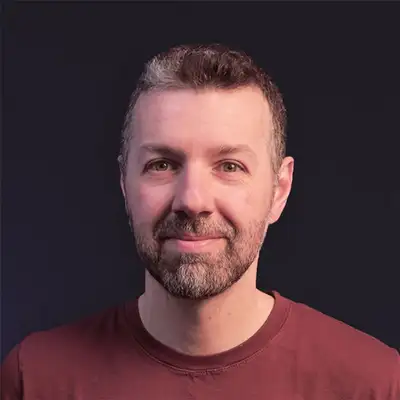
[8] Adii Pienaar (WooThemes & PublicBeta) on Starting Again From The Ground Up
Okay. Let's do this. Hello, bootstrappers. Welcome to Bootstrapped Web, the show for business owners like you and me who believe that to get to where we're going, we have to learn by doing. I'm Brian Casel.
Brian Casel:You can follow me on Twitter at castjam or on my blog at castjam.com. Today, you're going to hear my interview Eidi Pinar, who is the cofounder of WooThemes, and he's now starting something totally new called public beta. I really like this interview because we caught Eidi at a very interesting point in his journey. Right at this moment, Edy is shifting his focus from WuThemes, the company that he helps to bootstrap and build into a multimillion dollar business. He's shifting to his brand new startup, Public Beta.
Brian Casel:So he's kind of starting all over again from the ground up. And, you know, we we got into things like how he's approaching his latest business in a different way than his first one, and the actual tactics and the work that he's putting into this new venture to get it off the ground. You know, I I treat every interview here like a case study. You know, I my goal is to paint a picture of what it's like to be in the shoes of of the guest and and see what they're actually doing to move their business forward and get to where they wanna be. What are they learning?
Brian Casel:What's challenging them? How are they working through it? So my interview with Ade today is certainly no different. And just a reminder, speaking of learning by doing, a couple weeks ago, I put up a free report telling the stories of ten first year mistakes that I made learning things the hard way while bootstrapping my businesses. So you can grab your copy of that by going to castjam.com/mistakes.
Brian Casel:Okay. Now onto the main event, my interview with A. D. Pinar. Okay.
Brian Casel:So I'm here with AD Pinar of he's the founder of WooThemes, and now his latest new venture is called Public Beta. So we'll talk about both of those things in in this interview. Edi, welcome.
Adii Pienaar:Thanks, Brian. Thanks for having me.
Brian Casel:Great. So so let's get let's get started here. For those I'm sure there are not not, you know, not many of them out there, but for those who don't know who you are, can you can you give a short, intro intro about, you know, who you are, what you what you do?
Adii Pienaar:Yeah. So, so as you mentioned, I'm I'm one of the founders of WooThemes. We've been going since 2007. And, WooThemes, we build products on WordPress and mostly targeted at, small and medium sized businesses. And, in terms of my claim to fame there, we've got more than half a million users, of which about 150,000 are are actually paying.
Adii Pienaar:And then something that most people or many people know me for is for for my ability to rebrand myself. At one stage in my past, I I was known exclusively as eighty rock star online. Mhmm.
Brian Casel:Yeah. I remember that. Alright. So does that mean you're no longer a rock star then? What what's going on?
Adii Pienaar:Yeah. I'm I'm totally ex rock star. I I I think I outgrew that phase like like a teenager going through a difficult patch.
Brian Casel:Ah, okay. You know, same same here. Same with all of us. Cool. So let's talk a little bit about Woo themes before we get into the the new thing, public beta.
Brian Casel:So, I mean, you know, it seems everybody knows about WooThemes and and, you know, how you you guys have really kinda led the way in in the whole WordPress ecosystem over the last few years. But, you know, right now, we're we're midway through 2013. So what's going on with WooThemes right now, and and where are you guys headed?
Adii Pienaar:Yeah. So we we're growing. We're growing really well in in terms of both revenues, users, usage, and also in terms of the team, we're up to 31 team members actually. And in terms of kind of what's next for us, beyond the one or two kind of bigger picture things we have in mind for future product. I think the one thing I can share is we reached a point about seven, eight months ago, so towards the 2012 where we realized that there were a few things, a few niggles in our business model, a few things that kind of were accumulating over the years and was reaching tipping point in terms of our ability to scale, our ability to retain our operating margins in terms of finances.
Adii Pienaar:And in the last couple of months since then we devised a strategy to just kind of work towards that stuff like increasing our operating margins again, being better at prioritizing our resources, stuff like that. And loads of the challenges we face at the moment kind of relate to that. So whilst I wouldn't put it past my team to kind of excite and astound, you know, everyone within the ecosystem was was something unique in the next couple of months. We're very much at a stage where we're focusing on WooCommerce, know, we're we're trying to build something that's really long lasting, really sustain you know, sustainable and significant going forward.
Brian Casel:That's interesting, you know, kind of working on on those operating margins. I mean, does that mean is that related to the customer support costs that just continue to rise as your as your user base grows? Is that the the biggest challenge in in scaling?
Adii Pienaar:Yeah. I mean, just and I I I can give you an example. I mean, if you if you purchased the theme from us, say, in 2009, so that's four years ago, you paid us $70. Our kind of average support ticket costs us $5 which means as soon as you, I mean you can do the math, soon as you kind of have created 14 support tickets in your lifetime, then we are starting to make a loss on you as a customer. And creating 14 support tickets in four years isn't difficult to do.
Adii Pienaar:So yeah, totally, I mean I think our business model and I mean the business model we have now, we were one of the pioneers of that, right? But we had no benchmark or point of reference when we started out and we've definitely seen over the years that the current model isn't gonna be sustainable forever. You know, we're a bootstrapped company, these things, you know, margins, profits, revenues, those things are actually important to us.
Brian Casel:Yeah, sure. And so, you know, speaking of being a bootstrapped company, so, I mean, you guys really started out, you know, you and your co founders, it was I think it was just you, then and then you kinda met your co founders. I mean, what what does the day to day look like in the Wu Themes office today compared to what it was when you first started out? I think a lot of the listeners out there are just one or two people home in office somewhere trying to start something up. So what is it like for you and your team members running an operation today?
Brian Casel:And how has that changed over the last few years?
Adii Pienaar:I think the biggest difference that comes to mind is the fact that all of us are more focused on a specific kind of subset of things, know, processes or decisions that needs to be made. So when we started out initially, you know, Magnus, Mark and I, we were doing similar things and you know, we were all working on product, we were all doing support, we were all you know, kind of writing, we were all doing you know bits of marketing, those kind of things. And as the company has grown, it's become more specialized. So up until recently when I was officially CEO at WooThemes, you know, wasn't doing everything anymore. I was doing, you know, a very specific, you know, set of tasks on a, you know, on a daily, weekly and monthly basis.
Adii Pienaar:And that's probably the biggest difference that I've at least seen in terms of the way we work. And I mean, in terms of asking a question what a day in the life of Wu looks like, I mean, that would then totally depend on on, you know, whose day you look, you know, you look at whether it's a sports technician, whether it's a designer, a dev, or someone, you know, like me, who is CEO, you know, working on strategic stuff, working on the finances, you know, whatever the case is.
Brian Casel:Gotcha. So can you describe your role at Wu Themes now? So so, I mean, now that you've you've built a large team, you you kind of just just alluded to it a little bit, but and and also, you know, how your role is changing right now now that you're getting into a new start up.
Adii Pienaar:Yeah. So the so decision I made was, you know, when I made the decision to do something new, I knew from past experience and past failure that it wasn't gonna be possible for me just to do something on the side. You know, regardless of that something on the side being, you know, this new thing or that selling on the side being WuThemes. And that I was gonna have to be very clear in terms of how I kind of stretch myself to to achieve these things. So I have a kind of non operational role as part of the best way to to term it at WuThemes which mostly comes down to being part of the management team and you know especially not you know, well being part of management decisions and discussions but also being know being a mentor to the management team and just kind of, you know, helping them through their challenges, kind of their thoughts, their ideas.
Brian Casel:I see. So, I mean, so now you you are kind of are you splitting your time between the two companies, or are you really more focused on public beta? And, I mean, are you like, what are the the what do the the logistics work look like? I mean, are you actually still in the Wu Themes office and and things like that?
Adii Pienaar:No. So well, I I try and spend some time in the Wu Themes office at least, but I got myself a little a little space in a in a co working environment close by just to kind of, you know, separate myself physically from from the kind of processes and discussions as well. So I think that the the key thing is so I I am splitting my time. You know, if you ask me kind of a portion, it's I wouldn't be able to give you a exact answer. The the amount of time I spend on either or on a weekly basis really depends on on the demands.
Adii Pienaar:By far, the majority of my time is going into public beta though. We have a fantastic management team at Boot Themes and I would like to think that the work, you know, I did with them when I was your CEO and working with them, you know, helped kind of upskill and empower them, you know, to to take the reins once I, you know, once I stepped out and, you know, once I decided not not to be involved in every single discussion or every single decision. So but I think it mostly comes down to my point was, mostly comes down to being disciplined in terms of you know, if we're gonna have a management meeting, you know, it needs to be planned. It's not something that just happens organically anymore. At least not from my side, you know, guys in the office, the guys that are just full time at Woom, I mean they obviously have flexibility to do these things you know if and when you know whenever they want.
Adii Pienaar:But you know when I need to be involved or if I need to be involved it needs to be more deliberate you know well planned discipline. And the discipline is specifically for me as I need to Bali Bates is ultimately my new baby that I'm self funding and bootstrapping again, so if I'm not disciplined in terms of working on it enough, it's basically throwing money down the drain.
Brian Casel:Right. Right. And so with that, let let's kind of get into public beta here. So tell us about it. Like, so what what is it?
Adii Pienaar:Yeah. So I tell everyone that I'm still practicing my elevator pitch. And basically what I say is that public beta is a online learning community for entrepreneurs by entrepreneurs. And the ideas for successful experienced entrepreneurs to share that kind of one core skill or technique process or trick that they applied within their businesses that help them be successful. So that can range anything from branding for example that I'm passionate about to having a great you know customer dev you know interview process to having you know fantastic validation techniques to test and validate a new idea you know whatever the case to email marketing.
Adii Pienaar:And I want it to be well, I want to teach that content in such a way that it's never finite that you can basically get 10 people, you know, to teach similar processes related to email marketing for example. But each with their kind of own unique takes on it. And the to kind of summarize all that, the the best tagline I have for public beta at this stage is that public beta is your more intelligent, more experienced co founder, and you don't have to give us any equity.
Brian Casel:Right, I like that. Yeah, I think that's a really interesting point about how 10 different people can approach something like email marketing or anything else in 10 different ways. You know, I mean, I'm really strong believer in learning through case studies and seeing how somebody how how one particular person works, and then just trying to take away some ideas and then tweak them and apply them, you know, to my own business. I I think that's a great way to learn.
Adii Pienaar:Exactly. And I mean but the interesting thing on that is, I mean, I I've listened to so many interviews, for example, with, you know, successful founders, and you can kind of pick up a little bit of that inspiration that you know that that you talk about where you can hear how someone applied something or did something and you can use that to infuse in in the stuff you wanna do. But there's never that you know, true kind of master class or or deep dive into that kind of, you know, technique and process. And that's what I actually hope to do, you know, with Polybeta is to teach that thing.
Brian Casel:Excellent. And so and so now I understand you're working on a book all about branding. It's called branding with, two i's in the middle there. Yeah. So, can you tell us a little bit about that?
Brian Casel:And and is that part of Public Beta, is that a separate product?
Adii Pienaar:Yeah. So it's it's public beta's first product. Okay. It's not a it's kind of a, you know, interim kind of thing, you know, whilst we build out the the rest of the platform, the community, you know, stuff, and and produce the the learning content. But to give context there, so as a as a trial run-in terms of the types of things that I wanted to teach, you know, with PolyBeta, I set out to record and produce a course.
Adii Pienaar:So of course, Polybeta courses anywhere from twenty to you know, to sixty minutes of video content. And I want to do a course about branding because that's something that I've always been very passionate about and something which I attribute to being one of the primary reasons for my, you know, success both pretty personally and professionally. And from doing the course, I kind of just got excited and got into, you know, the space where the words and the kind of stuff were just coming out you know easily which meant that I decided to write a whole book about it. So yeah, so the book is you know basically done or all the contents has been done and edited. It's just kind of a final few things before we release the book on the July 31.
Brian Casel:Great. And so this this podcast will be coming out on on Monday the twenty second, so that would be about a week from now. So definitely looking forward to that. So on on public beta, is it you know, the the these courses and and the materials, is it a variety of mediums? So we're talking about video courses as well as books and and other things.
Brian Casel:How how does that shape up?
Adii Pienaar:Well, I mean, the the the book was kind of an afterthought in terms of, you know, being a a bit of a a gap filler to some extent. Video was always the kind of the the most obvious choice initially, and it's it's still the our first plan is to go with mainly video. But I'm kinda allowing myself the space to figure out what works. As a video is just the first thing that we're gonna, you know, we're gonna use. The book isn't as I I I I don't know how ebooks would feature as a you know, whether it would be a continuous thing for public beta going forward.
Adii Pienaar:It's very much a kind of a first iteration gap filler, as I said, you know, interim thing before we get the video stuff going. My the thing that intrigues me most about what I hope to do is actually the the community that I hope to build around PolyBeta and around the of the learning content. And I think if I manage to achieve the goals that I have with regards to that, that will shape the mediums and the platform we use to do the actual teaching.
Brian Casel:Gotcha. And and what is the what what does the model look like here? Is it is it kind of one off, you know, purchase individual products a la carte, or is it a kind of a subscription model?
Adii Pienaar:Initially, we're just gonna have the one subscription plan. In terms of, you know, when I would like to charge for that, I'm very much of the mindset to I would rather have, a 100 customers paying me a thousand bucks a month each than have a million customers paying me a dollar each. For me, there's loads of kind of consideration in terms of keeping the community manageable firstly but keeping it high touch and high resolution and but that's why so but we're going with the one subscription plan prices you know yet undecided probably won't be as high as I know or premium prices I would like for it to be initially. But we're definitely not considering once off you know purchase of a single course at least initially as I mean that that's one of the things we'll probably you know test in future if if we feel, you know, we need to, but it's not something we're we're considering at the moment.
Brian Casel:Cool. So tell us about the other people involved in in public beta. I I see right on the homepage, you you've got a list of, you know, a couple well known names in, you know, in in just in, you know, working on various startups. So what what is their role and capacity in in public beta?
Adii Pienaar:Gotcha. So yeah. So I I think I mentioned I'm solo founding know, public beta and I've just had my first team member join. So the the entrepreneurs listed on the on the homepage, they're contributing entrepreneurs, which basically means they've volunteered their time and their expertise to teach a course on public beta. And I have just over 40 of, you know, 40 entrepreneurs enlisted at this stage who are, you know, going to be creating content for public beta and just kind of sharing their their knowledge and experience in the next couple of months.
Brian Casel:Oh, nice. So so they're just kind of, you know, doing it for free then, and and then and you're producing these courses. Like, do you have a a process for producing these courses where, you know, like, getting them recorded and organized and and getting all the material together?
Adii Pienaar:Well, I would say that we have a process. I don't have as much a process. So my first team member is is a lady by the name Chloe Nichols. She's in London, where our offices will actually be. And she's a, you know, absolute expert in terms of, you know, both content and video production.
Adii Pienaar:So yeah, so she totally has a process to, you know, to work with entrepreneurs, get, you know, kind of extract the knowledge and and experience and, you know, get it into a teachable, actionable format for for the learners within the public based community.
Brian Casel:Nice. So can you tell can you talk a little bit about what what led up to this idea? You know, I mean, you you've been working on Wu themes. You know, you've kinda been I mean, you've you've certainly been blogging for a long time. What was the initial idea or or inspiration that that led to that ultimately led to what public data is?
Adii Pienaar:Yeah. So I mean, for me, firstly, I I I've always known that I wanted to work on more startups. And in that regard I'm much more a creator than I am a nurturer. I absolutely love creating and I love the kind of space and creativity that comes with that. So I always knew that I wanted to do something new and when I kind of felt towards the beginning of this year that had finally, that Wuthie has finally grown to a point where I could potentially step down as CEO or at least have less of operational role, I started looking at ideas.
Adii Pienaar:And the one thing that helped me figure out what I want to do next was reflecting about the stuff that I kind of really loved doing at the time. And one of the things that I've been doing is in the last couple of months has been taking Clarity calls for those, you know, for those listeners that aren't, you know, familiar with Clarity, it's clarity.fm. Fantastic little little service where you can basically, know, request calls from experts about anything and, you know there's a permanent charge to it, but most of the experts donate the funds to charity. And I've taken, I think it's about 30 calls from other entrepreneurs in the last six months. And I, you know, in reflecting about the things that I was enjoying and passionate about, I realized that every time I had a clarity call with an entrepreneur where I could just tell my story and just share lessons I've learned through my mistakes over the years.
Adii Pienaar:I felt really invigorated and refreshed. You know, so much so that it stood out. Know, every single week I had a call, you know, it stood out for me. And that helped me to figure out that my core passion at the moment is helping other entrepreneurs. And you know with that in mind, I then had the idea to do public beta.
Adii Pienaar:I mean I think it's totally possible to have gone you know and built a SaaS app, you know, that powers businesses and helps them save money for example. Mean, that would be helping other entrepreneurs as well. But, yeah, I have a passion for for teaching and, you know, public beta just seemed obvious idea when, you know, once I distilled my my core passion is wanting to help other entrepreneurs.
Brian Casel:Gotcha. So so you're kind of in this mode of, like, starting all over again. You you've built up WooThemes, a bootstrap company from the ground up. I think most people would call that a huge success, big hit. And now you're kind of back to ground zero with public beta.
Brian Casel:Which things that you think really worked well as you were building up Woo themes, especially in the beginning, are you aiming to replicate as you start up public beta?
Adii Pienaar:I definitely think our branding and the kind of the interactions, you know, around that. I think, you know, one of the main reasons for Weatheme's success over the years is is the fact that we've built such a fantastic new brand that has so many, you know, loyal fans and supporters. And that's definitely something that I, you know, I wanna do with Pag Beta. I kind of my aim is initially to find that, you know, first 100, you know, absolutely, you know, batshit crazy, you know, fanatic kind of customers that just buys into our vision and our kind of, you know, manifesto, you know, buys into our bigger dreams of what Polybeta should be. And for me, that's all around the kind of branding in the way, you know, you go about building the brand, which as I said, I I think, you know, we did so fantastically well with Wu Themes from day one.
Brian Casel:Very cool. And so now on the flip side, as you look back on Wu Themes, any kind of mistakes or, you know, things that you that you think could have done done better that you're hoping to correct this time around?
Adii Pienaar:Yeah. So interestingly enough, I when I started thinking about new ideas, I had actually I actually wrote down the list, and I typed the list of mistakes I made that I won't make again. And I'm just flipping through my notebook here, And because I want to read you some of those mistakes. Build a business that is bigger than myself, build a team sooner, be frugal and avoid luxury expenses, set the culture and tone from day one. So that's just some of the things that I wrote down.
Adii Pienaar:And whilst some of them might not have been direct mistakes in terms of not doing it or not doing it in a specific way, know those are definitely the kind of things that I'm conscious about and I don't want to repeat and I think the biggest one is probably to WuTeam. So about three years ago I set out to create a side project called Radiate which is basically a kind of space for me to experiment with various ideas and it lasted for thirteen months. I lost about a $150,000 on it because I made so many mistakes and one of the biggest mistakes I made was I thought that I could do two things at once. I could be in charge, you know, the strategic mission and vision and all those things of two companies at the same time. And again we spoke about my role in terms of Polybeta and Ruthiems, you know, earlier.
Adii Pienaar:And that's one of the things that I, you know, definitely wanted to avoid. I wanted to do something that I could spend at least 80% of my time on and not have to be the one that's ultimately responsible to execute and ultimately responsible for success or failure of the new venture.
Brian Casel:That's interesting. So this time around, you you really are building in that that separation from the very beginning.
Adii Pienaar:Yeah. I mean, I I I would never take on, you know, startups at the same time, you know, ever again.
Brian Casel:And so you you also mentioned there that one one of your goals here this time around that that's different from Wu themes is that you're hiring a team sooner. Can you talk a little bit more about that? You know, what are the roles that you're that you're putting in place from the very start, and and how do you see that building out?
Adii Pienaar:So I think, I mean, one of the things that, you know, kinda again and if you ask me about kind of bootstrapping, would definitely tell you one of my tips is, you know as a bootstrapping founder of business, you know, do as many of the things yourself. But I think you get caught into kind of a comfort zone, you know, DIY ing so many things you know pretty soon after you know founding a new start up. My real life, it took me about four years to realize that I was doing stuff that I was not great at and I was not passionate about and the consequence of that was both that I wasn't completely happy but also that there was opportunity cost that we were losing out on meaning I could be doing so many other things of higher value and not doing some of these things that I said I'm not good at or I'm not passionate about. And you know with putting data, for me hiring a team sooner basically means recognizing that there are some things that I will never be great at. And you know in terms of bootstrapping, yes, keep costs low which means mostly don't hire a massive team or hire anybody even.
Adii Pienaar:But the one thing you need to consider is the opportunity cost of that. If I have to spend six hours doing something that someone else can do in one hour, that has a financial influence on my startup. And I think it's that kind of mentality and with Polybeta, I knew from the very first day whilst I you know love writing, I'm absolutely, I'm bad at research, I'm bad at being structured in terms of that, I'm too impulsive, which meant that I wanted to find someone you know that can take those things off my hands because that's a you know integral part of everything that we'll be doing at public beta from very beginning. Hence why I hired, you know, Chloe to kind of and her official title is editor and chief content strategist. And I think that's the mentality there, you know, consider the opportunity cost, still DIY as much as you can, but there's just some things where you you should definitely hire people that are you know, actually good at doing that thing instead of trying to do it yourself.
Brian Casel:Yeah, definitely. That's something that I've been thinking lot about and and actually kinda struggling with over the last year or so building up a restaurant engine. And I mean, you know, I I I'm a I'm a designer and I can code a little bit, but then but but there are things it's almost like that having that ability to code a little bit is is kind of the danger because it makes me want to try to spend ten hours trying to code a little feature that I know an experienced developer can just bang out in in less than an hour. And it's it's hard to kind of, you know, unload those things.
Adii Pienaar:Exactly. I mean but I mean and we all do those kind of things. Right? I think ultimately it comes down to, as said, that that opportunity cost. I mean, what what could you have spent, you know, that ten hours on?
Adii Pienaar:You know, and what's the value of that, you know, ten hours to you versus, you know, just outsourcing the, you know, the work to a dev that, you know, when you have to pay them for an hour? And then that's the the real decision there in terms of, you know, whether you should be DIY ing it or or outsourcing it.
Brian Casel:Exactly. So, you know, these days, the startup scene has really changed and really kind of evolved quite a bit over the years, know, since your early years of starting out Wu Theme. So how do you think, know, today's, you know, like things things like the lean startup methodology and other ideas that are that are around today that maybe weren't around back then, how do you think that's impacting your approach to public beta?
Adii Pienaar:Well, quite significantly. So, I mean, one of the things, you know, I'm I'm really passionate about is, you know, I wanna make new mistakes and I I wanna always learn new things. And, you know, one of the things that I wanna do with Play Beta is I wanna use all all of this kind of knowledge and experience that I've built up and I wanna see whether I can do it again. And you know, in terms of you know, when when we started, for example, I didn't even know or think, know, constantly think about the fact that we were bootstrapping, you know, versus for example the option of raising, you know, know, around of you know, funding from from external investors. Sure I was familiar with the term bootstrapping, I I studied accounting and then you know, management also management accounting at university so it was a concept I was familiar with but I wasn't conscious you know about it.
Adii Pienaar:And yeah, I mean there's still I'm not a massive fan of the whole you know the whole kind of lean you know methodology or not a fan more of a follower meaning I'm not that deliberate and pragmatic. I'm more intuitive in the way I think and work. But there's definitely things and elements that I apply. Some of the things that I've learned that I'm definitely applying is doing better idea validation and testing initially, which is the kind of phase we're in now, you know, being better at customer dev. And then the one thing that that that I really wanna go full tilt on is email marketing.
Adii Pienaar:It's it's something that, you know, we've we've always neglected or at least underutilized the boo themes and I've totally seen and I've heard so many great stories about how you know powerful you know email is in terms of you know marketing channel. And yeah, I mean I'm just excited to try those things. Similarly was the kind of just the kind of measuring and you know analytics aspect of a story. Again that's something we only started doing very late in in with him's journey because well, partly because we didn't have to. We didn't have to optimize.
Adii Pienaar:We were growing organically. And partly because we didn't know anything about it. So, you know, those are the kinds of things that I think are different from, you know, things that I definitely wanna, you know, take into public beta now.
Brian Casel:Gotcha. Yeah. And and, you know, I I'm I've been receiving the emails. I think I actually just received one this morning. So, you know, I can I can see how you're starting to build up the the email marketing presence?
Brian Casel:Is that kind of a huge driver in terms of your marketing plan for public beta? I mean, public beta is a informational education product in comparison to WooThemes, which is more of like a tangible product like a WordPress theme. So how does that approach or how does that change your approach to to marketing?
Adii Pienaar:Well, I actually think it it makes the the marketing, you know, so much easier because the our product is inherently, you know, as you said, informational and and educational, which means that, you know, email marketing I think email marketing works great when it is, you know, very conversational and then, you know, valuable in terms of the information and education you can pass on to, you know, the person on the other side of that email. So it just seems like a very natural, you know, fits and and yeah. I mean, so in terms of I I can share, you know, the the kind of the two big, you know, parts of, you know, our marketing strategy is specifically content marketing and then using email as as one of the, you know, primary channels, you know, through which we wanna funnel that.
Brian Casel:Right. So how are you doing the the content marketing? Is it kind of putting out some some educational material for free and then extended as as part of the the the product? Or how does that work?
Adii Pienaar:Yeah. I mean, it's probably something like that, you know, eventually. Up until now, all the emails kind of been been focused at, you know, mostly at kind of teasing and and giving people a little bit more insight into, you know, what public data actually is and also geared at feedback. So we haven't kind of switched on our content marketing fully. The biggest or the most representative of what it would be in future is probably writing I've been doing on my own blog just to have the opportunity to mention and link back to PolyBeta.
Adii Pienaar:But going forward, yes, I mean whether it is kind of giving bits away for free and charging for the rest, it is sharing related resources, I think we have loads of ideas. As I said, ultimately, know, the fact is we'll have that knowledge and it's just about packaging that in various different ways to kind of, know, in one package to sell it, in another package to kind of use as you know, lead generation and as as marketing.
Brian Casel:Very cool. So so right now, as you're building towards your your launch, what does your to do list look like? You know, what what are what are the things on your plate this week, next month? You know, how are you getting from here from from point a to point b right now?
Adii Pienaar:Yeah. So so currently, our our biggest project is is getting the ebook out, which as I said, is going out on at the end of the month. And there's those are little bits that I've never done before like using iBooks Author for example. So most of it's around that and I can share as well the kind of the aim with the book is to generate some initial revenues, again, is very important for me as a bootstrap founder and startup. And the second thing is to just kind of continue building our mailing list, is up to about 1,500 subscribers at this stage.
Adii Pienaar:And then thereafter, we're working towards our, you know, first version of Puppy Beta, which will go live around about the August. So in those two weeks, it's all about, you know, wrapping up the development of the sites, you know, testing that out, you know, and getting the the initial content in there. And then peripheral to to those two things where we've started, you know, Chloe and I have started working in our our content marketing strategy, which, you know, will run independently and complementary, you know, to to these two other processes.
Brian Casel:Very cool. So we'll definitely be looking out for that as the next couple of weeks unfold. And I guess we're we're getting pretty close to to your launch in August now. So final question here, and I ask this of all my guests near the end of the interview. Outsiders looking in see that you've been tremendously successful and it's very exciting with public beta, but I'm sure that you're not immune from being challenged and working through struggles and challenges.
Brian Casel:So what's challenging you right now in 2013 and what are you doing to kind of work through it?
Adii Pienaar:Well, two things that I can mention. The first thing is that I feel like a one hit wonder and I feel like, you know, somewhat yes. I mean, with you it's been a, you know, a major success, you know, in terms of reputation and financially. But I feel like a 101 and I don't know whether I can actually recreate that success, is you know something that I hope to do with playing beta. And the second thing that I think about so often is, and it kind of comes down eventually to having work life balance which has become very important to me in terms of my own health but also in terms of being a good husband and a good dad to my son.
Adii Pienaar:And this thing I struggle with most is how quickly should I you know run? You know how quickly should I run my business? I think we're also you know in this mindset of being agile and working incredible in the amount of hours and just running, you know, full steam ahead. Whereas, you know, what what difference does a day or a week make in terms of, you know, getting or finalizing a to do? And I can't answer that at the moment because on the one end, love momentum and I'm an absolute kind of thrill seeker as an entrepreneur.
Adii Pienaar:So within business, at least not in terms of skydiving. But on the other end, that's totally balanced out by know, my need to, you know, to not leave the office too late in the afternoon because I want to go for a run. I want to feel healthy. I want to, you know, get the fresh air. I don't want to sit in front of my computer every day.
Adii Pienaar:And thereafter I want to come home and I don't want to be, you know, mentally so tired that I can't, you know be there with my wife and my son. So I mean as I I'm somewhere within that and I haven't answered my own question in terms of you know where that balance is. But those are definitely the the two main things that I struggle, you know, with as an entrepreneur at the moment.
Brian Casel:Got it. Yeah. I mean, I'm I can certainly relate to that for sure, and I'm sure I'm sure, you know, most entrepreneurs can. It's it's tough, you know, getting out there. I I mean, I get so anxious to get things done and to see results right away that I just try to push myself to work more and more hours, working late at night, working weekends, but I'm starting to realize that having that balance and and, you know, giving giving my mind a break and and and really, you know, spending time with the family, it really, really helps.
Brian Casel:It it helps the performance when I'm when I actually am working. So it's it's tough.
Adii Pienaar:Totally.
Brian Casel:Yeah. But, Edith, thank thank you so much for for joining me today. I you know, great, great conversation. Lots of lot of good takeaways, and I'm sure I'm sure the audience will will feel the same. So where can people reach out to you?
Adii Pienaar:Yeah. So public beta is at publicbeta.co, and then the the best place to reach me is probably my own blog, is ad.mme or at ad on Twitter.
Brian Casel:Very cool. Well, aide, thanks again, and let let's talk again soon.
Adii Pienaar:Awesome. Thanks for having me, Brian. Cheers.
Brian Casel:Okay. Really enjoyed that conversation with Adi, and here are a few takeaways that that I took from that from that interview. The first is Adi really stressed the importance of focusing primarily on one business at a time. He described how in the past, he he tried leading two different companies simultaneously, and it resulted in in what he called a failure. But but now with his with with public beta, he has kind of stepped back from his role leading Woo themes, and so now he's totally focused almost exclusively on on public beta.
Brian Casel:So, I mean, that that's definitely something that that I've personally been kind of struggling with, particularly this year, as I'm involved in a couple of different start ups, splitting my time more or less equally among them. I kinda have mixed feelings about this, and definitely not sure exactly how to work through through it at times, but, you know, it's definitely something I'm trying to figure out and and learn from as as best I can. The second takeaway was how Adi is hiring and putting a team in place right from the start. So he isn't really making the business and operations completely reliant on his own time and his own expertise. He's figuring out right from the get go, how to best allocate his resources and put talented people in place to get the job done while he's kind of managing, you know, kinda leading the ship.
Brian Casel:So, you know, I think that's a very important lesson here. And the third takeaway finally is, Adi leveraged his personal network of friends and fellow successful entrepreneurs to help him add value to his new startup. You know, I'm sure that people like like Heaton Shaw, Spencer Fry, Nathan Barry, and the others who are listed on on his website there, I'm I'm sure they wouldn't be so generous with their time if they didn't personally know and respect Edie. So I think that's a testament to Edie's friendly personality and his ability to maintain relationships online and off over the years. So that's definitely something very important in this journey that we take as we build and bootstrap our businesses.
Brian Casel:Okay, so tune in next Monday and every Monday for another episode of Bootstrapped Web. And if you're looking for more ideas and lessons on bootstrapping a business from the ground up, be sure to head over to castjam.com and enter your email address, and you'll get my weekly newsletter. Thanks for tuning in.

![[8] Adii Pienaar (WooThemes & PublicBeta) on Starting Again From The Ground Up](https://img.transistorcdn.com/LDB_Cv9bHAA2vtoSPkZCpkdHPF6fAqfl7PL-PG7_c-M/rs:fill:0:0:1/w:800/h:800/q:60/mb:500000/aHR0cHM6Ly9pbWct/dXBsb2FkLXByb2R1/Y3Rpb24udHJhbnNp/c3Rvci5mbS9jMjkw/MDYxZDQ0MWIxYTUw/NTMzMGI2NTExZWMx/MWQ1Yi5qcGc.webp)